

At a Glance
Location
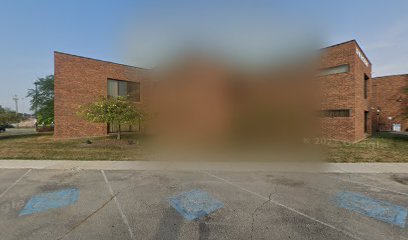
Mercy Crest Medical Building, Springfield, OH 45504
Phone
937-390-5338Website
http://www.mercy.com/Primary Focus
Treatment Settings
Treatment Approaches
Special Programs
About Mercy REACH
Mercy REACH is an outpatient addiction treatment program in Springfield, Ohio, offering Outpatient Program and Intensive Outpatient (IOP) services for adults, adolescents, and seniors navigating substance use recovery. Part of the Mercy Health Springfield system, the program accepts Medicaid, Medicare, private insurance, TRICARE, and sliding-scale payment, making ongoing recovery support accessible to a wide range of individuals in Clark County.
Mercy REACH — formally the Mercy REACH Alcohol, Drug and Tobacco Treatment Program — operates out of Springfield, Ohio as part of the Mercy Health Springfield network. Located at 30 West McCreight Avenue, Suite 204, the program functions as a community-rooted substance use treatment center serving individuals across the Springfield region who are pursuing structured, ongoing recovery rather than a one-time intervention. Its outpatient model is designed for people ready to build a sustainable recovery life while remaining connected to their families, jobs, and communities.
The center offers two distinct levels of outpatient care: a standard Outpatient Program and an Intensive Outpatient Program (IOP). The IOP structure provides a higher frequency of treatment contact for individuals who need more support than traditional outpatient allows, without requiring a residential stay. These two tiers give people flexibility to step up or step down in care intensity as their recovery progresses — a practical feature for anyone managing long-term substance abuse treatment alongside everyday responsibilities.
Cognitive Behavioral Therapy (CBT) anchors the clinical approach at Mercy REACH, giving participants structured tools to identify thought patterns that fuel substance use and to practice concrete coping strategies. CBT is one of the most studied frameworks in addiction treatment and fits naturally into an outpatient setting where clients are applying skills in real-world situations between sessions. The program operates 24 hours, reflecting its commitment to accessible, community-centered recovery support.
Mercy REACH serves a notably broad population: adolescents, young adults ages 18–25, men, women, seniors and older adults, individuals who are deaf or hard of hearing, and those referred through the court system. Payment options span Medicaid, Medicare, private insurance, TRICARE, self-pay, sliding-scale fees, and state insurance — removing financial barriers that often delay people from entering or continuing addiction treatment. For anyone in the Springfield area evaluating outpatient programs or an IOP as part of a longer recovery plan, Mercy REACH offers a clinically grounded, community-embedded option.
Outpatient & IOP: Structured Recovery Without Leaving Your Life Behind
For many people in recovery, the goal isn't just getting through a crisis — it's building a life that doesn't require one. Mercy REACH addresses that need directly through its Outpatient Program and Intensive Outpatient Program (IOP), both situated within the Springfield, Ohio community. These levels of care are designed for individuals who are motivated to engage in structured substance abuse treatment while maintaining their daily responsibilities at home or work.
The IOP tier is particularly meaningful for people transitioning out of a more intensive setting or those whose recovery needs exceed what a once-weekly session can provide. By offering two distinct steps of outpatient care, Mercy REACH allows individuals and their families to think about treatment as a continuum — adjustable as circumstances change — rather than a single fixed event.
Who Mercy REACH Serves in the Springfield Region
Mercy REACH serves one of the more inclusive ranges of populations found in outpatient addiction treatment in Ohio. The program works with adolescents, young adults (18–25), men, women, seniors and older adults, individuals who are deaf or hard of hearing, and people entering treatment through court referral. Each of these groups brings different needs to the recovery process, and Mercy REACH's structure accommodates that breadth within a single community-based program.
The inclusion of court-ordered participants alongside voluntary clients reflects the program's role as a recovery resource for the broader Clark County community — not just those who arrive on their own terms. For families supporting a loved one through the legal system or seeking a program that can work with younger adults or older relatives, Mercy REACH's population range is a concrete, practical differentiator.
CBT and the Clinical Foundation of Mercy REACH
Cognitive Behavioral Therapy (CBT) forms the clinical backbone of Mercy REACH's substance use treatment. CBT is particularly well-suited to outpatient and IOP settings because it equips participants with skills they can practice and apply between sessions — in their homes, workplaces, and relationships. Rather than relying on a controlled environment to manage behavior, clients learn to recognize and redirect the thought patterns that contribute to substance use in everyday situations.
This approach aligns with the longer arc of recovery that outpatient programs are built to support. Skills developed through CBT don't expire when a session ends; they travel with the person into the community, which is exactly where sustained recovery has to take root.
Payment and Access: Removing Barriers to Ongoing Treatment
One of the most consistent obstacles to long-term addiction treatment is cost. Mercy REACH accepts Medicaid, Medicare, private insurance, TRICARE, self-pay, sliding-scale fees, and state insurance — a payment range that covers a significant portion of the Springfield-area population. For individuals who have delayed seeking an outpatient program or IOP because of financial uncertainty, this breadth of accepted payment options is directly relevant.
The sliding-scale option in particular reflects an awareness that recovery timelines don't always align with employment stability or insurance continuity. People working toward sustained sobriety need a recovery center that can meet them at different financial moments, not just at their most stable.
Why Choose Mercy REACH
- Two outpatient levels of care — standard Outpatient Program and Intensive Outpatient (IOP) — allow individuals to match treatment intensity to where they are in their recovery journey
- Part of the established Mercy Health Springfield system, connecting clients to a recognized regional healthcare network
- Explicitly serves deaf and hard-of-hearing individuals, a population frequently underserved by addiction treatment programs
- Accepts an unusually wide range of payment options including Medicaid, Medicare, TRICARE, sliding-scale, and state insurance, reducing financial obstacles to sustained recovery
- Operates 24 hours and serves populations from adolescents through seniors, making it one of the more age-inclusive outpatient recovery programs in Clark County
Frequently Asked Questions
What levels of care does Mercy REACH offer for addiction treatment?
Mercy REACH offers two outpatient levels of care: a standard Outpatient Program and an Intensive Outpatient Program (IOP). The IOP provides a higher frequency of treatment contact for individuals who need more structured support without a residential stay. These two options allow people to engage in substance use treatment at an intensity that fits their recovery stage and daily life.
Who is eligible for the Mercy REACH program in Springfield, Ohio?
Mercy REACH serves a wide range of individuals, including adolescents, young adults ages 18–25, men, women, seniors and older adults, individuals who are deaf or hard of hearing, and those referred through the court system. The program's inclusive population scope makes it a practical option for families looking for a recovery center that can serve members across different age groups and circumstances.
What therapy approach does Mercy REACH use in its outpatient program?
Mercy REACH uses Cognitive Behavioral Therapy (CBT) as its primary clinical approach. CBT helps individuals identify and change the thought patterns that contribute to substance use, and it's particularly effective in an outpatient or IOP setting where clients are applying coping skills in their everyday lives between sessions.
What payment options does Mercy REACH accept?
Mercy REACH accepts Medicaid, Medicare, private insurance, TRICARE, self-pay and cash, sliding-scale fees, and state insurance. This broad range of payment options is designed to make outpatient addiction treatment accessible to individuals at different financial situations, including those without comprehensive insurance coverage.
Is Mercy REACH part of a larger health system?
Yes. Mercy REACH operates as part of the Mercy Health Springfield network, functioning as the system's dedicated alcohol, drug, and tobacco treatment program for the Springfield region. This connection to a regional healthcare organization situates the program within a broader continuum of community health services.
Does Mercy REACH offer services for court-ordered individuals?
Yes. Mercy REACH explicitly serves court-ordered participants alongside individuals entering treatment voluntarily. This makes it a viable option for people navigating the legal system who are required to complete a substance abuse treatment program as part of their case resolution.
Does Mercy REACH serve older adults or seniors seeking recovery support?
Yes. Seniors and older adults are among the populations Mercy REACH specifically serves. Outpatient and IOP formats can be especially appropriate for older individuals who want structured recovery support without the disruption of a residential program.
Are services available for deaf or hard-of-hearing individuals at Mercy REACH?
Yes. Mercy REACH is confirmed to serve individuals who are deaf or hard of hearing, which distinguishes it from many outpatient programs that do not explicitly accommodate this population. Prospective clients with hearing-related needs are encouraged to contact the program directly at (937) 390-5338 to discuss their specific situation.
What is the difference between the Outpatient Program and the IOP at Mercy REACH?
The standard Outpatient Program is suited for individuals who need ongoing recovery support at a lower time commitment, while the Intensive Outpatient Program (IOP) involves a higher frequency of sessions and is designed for those who need more structured engagement. Many people use the IOP as a step-down from more intensive treatment or as an alternative to residential care when they have a stable home environment.
How can I contact Mercy REACH to learn more or get started?
Mercy REACH can be reached by phone at (937) 390-5338. The program is located at 30 West McCreight Avenue, Suite 204, in Springfield, Ohio 45504, and operates 24 hours. Reaching out directly is the best way to discuss which level of outpatient care — standard Outpatient Program or IOP — may be the right fit for your recovery goals.
Nearby Treatment Centers

BrightView
Springfield, OH
- Detox
- IOP
- MAT
Substance use treatment · Cognitive behavioral therapy · Dialectical behavior therapy
Accepts: Cash or self-payment, Medicaid, Medicare
Mental Health Servs for Clark Cnty Inc Youth and Family Recovery
Springfield, OH
- IOP
Substance use treatment · Does not treat opioid addiction · Cognitive behavioral therapy
Accepts: Cash or self-payment, Medicaid, Medicare
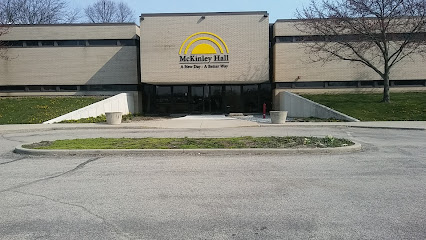
McKinley Hall Inc
Springfield, OH
- Detox
- Residential
- IOP
- MAT
Substance use treatment · Cognitive behavioral therapy · Dialectical behavior therapy
Accepts: Cash or self-payment, Medicaid, State-financed health insurance plan other than Medicaid
McKinley Hall Inc Mens Residential Program
Springfield, OH
- Detox
- Residential
- IOP
- MAT
Substance use treatment · Cognitive behavioral therapy · Substance abuse counseling
Accepts: Cash or self-payment, Medicaid, Medicare
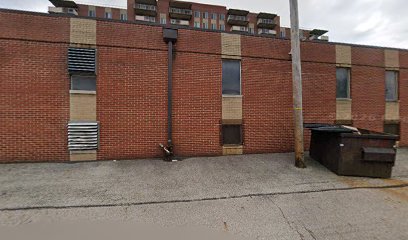
Reasonable Choices Inc
Springfield, OH
- Detox
- IOP
- MAT
Substance use treatment · Cognitive behavioral therapy · Dialectical behavior therapy
Accepts: Cash or self-payment, Medicaid, Medicare
Mercy Memorial Hospital Mercy REACH
Urbana, OH
- Detox
- Outpatient
Substance use treatment · Accepts clients on opioid medication but prescribed elsewhere · Cognitive behavioral therapy
Accepts: Cash or self-payment, Medicaid, Medicare