

 1 / 3
1 / 3At a Glance
Primary Focus
Treatment Settings
Treatment Approaches
Special Programs
About McIntosh Trail Community Servs Board Behavioral Health Counseling Center
McIntosh Trail Community Services Board provides outpatient addiction treatment and intensive outpatient programs for individuals with substance abuse and co-occurring disorders in Griffin, Georgia. Since 1993, this CARF-accredited recovery center has served seven counties with specialized dual diagnosis treatment and court-ordered programming.
McIntosh Trail Community Services Board operates as a comprehensive outpatient addiction treatment center serving Griffin and seven surrounding Georgia counties. Established in 1993, this CARF-accredited facility provides specialized care for individuals navigating substance abuse recovery while building lasting connections to the recovery community. The center's location at 1459 Williamson Road positions it as a regional hub for families and individuals seeking ongoing support throughout their recovery journey.
The recovery center offers two primary levels of care designed for different stages of the treatment process. Their outpatient program provides flexible scheduling for individuals maintaining work or family commitments, while the intensive outpatient program delivers more structured support for those requiring additional therapeutic contact. Both programs integrate seamlessly with existing recovery plans and can serve as stepping stones to or from residential treatment settings.
Under the clinical leadership of Dr. Carol Lyle and Clinical Director Emily Buck, LCSW, the treatment approach centers on Cognitive Behavioral Therapy techniques. CEO Kenyatta Walker, LCSW, oversees operations that span Butts, Fayette, Henry, Lamar, Pike, Spalding, and Upson counties. The center operates Monday through Friday from 8 AM to 5 PM, providing consistent access to professional staff throughout the week.
McIntosh Trail specifically serves men and individuals with co-occurring disorders, recognizing that dual diagnosis treatment requires specialized expertise. Court-ordered clients receive the same clinical attention as voluntary participants, creating a supportive environment where legal requirements align with recovery goals. Multiple payment options including Medicaid, Medicare, sliding scale fees, and state insurance ensure accessibility across economic circumstances, while CARF accreditation demonstrates commitment to maintaining recognized standards in addiction treatment and recovery programming.
Outpatient and Intensive Outpatient Programs
McIntosh Trail Community Services Board structures its addiction treatment around two core levels of care that support different phases of recovery. The outpatient program allows individuals to maintain employment, family responsibilities, and community connections while receiving regular therapeutic support. This flexibility proves essential for people transitioning from residential treatment or those beginning their recovery journey without requiring 24-hour supervision.
The intensive outpatient program provides increased therapeutic contact for individuals who need more structured support than traditional outpatient care offers. Both programs can coordinate with sober living arrangements, alumni networks from previous treatment experiences, and ongoing aftercare planning. The center's Monday through Friday schedule accommodates working individuals while ensuring consistent access to clinical staff throughout the business week.
Dual Diagnosis and Co-Occurring Disorders Treatment
Recognizing that addiction rarely occurs in isolation, McIntosh Trail specializes in treating co-occurring disorders alongside addictive disease. This dual diagnosis expertise addresses the complex interplay between mental health conditions and substance abuse, providing integrated treatment that tackles both issues simultaneously. The center also extends services to individuals with developmental disabilities, demonstrating their comprehensive approach to serving diverse recovery community needs.
Clinical Director Emily Buck, LCSW, and Medical Director Dr. Carol Lyle oversee treatment planning that incorporates Cognitive Behavioral Therapy techniques tailored to each individual's specific combination of conditions. This specialized focus ensures that clients receive appropriate care for all presenting issues rather than addressing addiction in isolation from underlying mental health concerns.
Regional Service Area and Accessibility
From its Griffin location, McIntosh Trail extends addiction treatment services across seven Georgia counties: Butts, Fayette, Henry, Lamar, Pike, Spalding, and Upson. This regional approach allows the center to serve rural and suburban communities that might otherwise lack access to specialized dual diagnosis treatment. The geographic coverage ensures that families throughout central Georgia can access consistent outpatient programming without excessive travel requirements.
Payment accessibility remains a priority through acceptance of Medicaid, Medicare, state insurance, and self-pay arrangements. The sliding scale payment option particularly benefits individuals in early recovery who may be rebuilding financial stability. These multiple payment pathways, combined with CARF accreditation standards, create an accessible yet professionally maintained treatment environment for diverse recovery community members.
Court-Ordered Treatment and Voluntary Recovery Services
McIntosh Trail serves both court-ordered clients and individuals voluntarily seeking addiction treatment, creating a recovery environment where legal requirements align with therapeutic goals. This dual approach recognizes that motivation for treatment varies, but the clinical quality remains consistent regardless of referral source. Court-ordered participants benefit from the same clinical programming and therapeutic relationships as voluntary clients.
The center's experience with mandated treatment populations enhances their ability to work with individuals at different stages of recovery readiness. This expertise proves valuable for families navigating interventions, legal systems, and treatment planning. By maintaining the same clinical standards across all client types, McIntosh Trail builds a recovery community where mutual support transcends the circumstances that brought each person to treatment.
Why Choose McIntosh Trail Community Servs Board Behavioral Health Counseling Center
- CARF-accredited outpatient programs with specialized dual diagnosis expertise since 1993
- Regional recovery center serving seven Georgia counties with court-ordered and voluntary treatment
- Licensed clinical leadership team including MD Medical Director and LCSW Clinical Director
- Sliding scale payment options and multiple insurance acceptance for accessible recovery services
- Dedicated programming for men and co-occurring disorders population
Frequently Asked Questions
What types of addiction treatment programs does McIntosh Trail offer?
McIntosh Trail provides outpatient programs and intensive outpatient programs for individuals with substance abuse and co-occurring disorders. Both levels of care utilize Cognitive Behavioral Therapy techniques and can integrate with broader recovery plans including aftercare and sober living arrangements.
Does McIntosh Trail accept insurance and what payment options are available?
The center accepts Medicaid, Medicare, state insurance, self-pay, and offers sliding scale payment options. This range of payment methods ensures accessibility for individuals at different economic levels throughout their recovery journey.
What geographic areas does McIntosh Trail serve for addiction treatment?
McIntosh Trail serves seven Georgia counties from their Griffin location: Butts, Fayette, Henry, Lamar, Pike, Spalding, and Upson counties. This regional approach provides addiction treatment access to both rural and suburban recovery communities across central Georgia.
Can McIntosh Trail treat co-occurring mental health and addiction issues?
Yes, the center specializes in dual diagnosis treatment for individuals with co-occurring disorders, addressing both mental illness and addictive disease simultaneously. They also provide services for individuals with developmental disabilities, demonstrating comprehensive treatment capabilities.
What are McIntosh Trail's hours and how long has the center been operating?
McIntosh Trail operates Monday through Friday from 8 AM to 5 PM and has been serving the recovery community since 1993. The center maintains CARF accreditation and is led by experienced clinical staff including a Medical Director and Clinical Director.
Does McIntosh Trail work with court-ordered addiction treatment clients?
Yes, the center serves both court-ordered clients and voluntary participants with the same clinical standards and therapeutic approach. This experience with mandated treatment populations enhances their ability to work with individuals at different stages of recovery readiness.
Who provides clinical oversight at McIntosh Trail Community Services Board?
Dr. Carol Lyle serves as Medical Director, Emily Buck, LCSW, is the Clinical Director, and CEO Kenyatta Walker, LCSW, oversees operations. This licensed clinical leadership team ensures professional standards throughout all addiction treatment programming.
What specific populations does McIntosh Trail focus on for addiction treatment?
The center specifically serves men, individuals with co-occurring disorders, and court-ordered clients. This focused approach allows them to tailor programming to the unique needs of these populations while building supportive recovery community connections.
Nearby Treatment Centers

Pathways Center Spalding
Griffin, GA
- Residential
- Outpatient
Substance use treatment · Does not treat opioid addiction · Cognitive behavioral therapy
Accepts: Cash or self-payment, Medicaid, Medicare
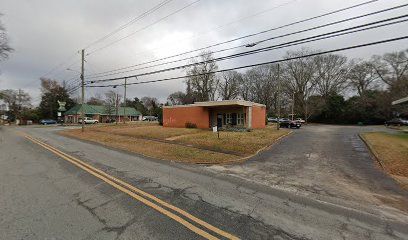
New Start Treatment
Griffin, GA
- Detox
- Outpatient
- MAT
Substance use treatment · All Clients in Opioid Treatment Program · SAMHSA-certified Opioid Treatment Program
Accepts: Cash or self-payment
McIntosh Trail MH/AD/DD Comm Servs Board/DBA Pine Woods
Griffin, GA
- Detox
- Residential
Substance use treatment · Does not use medication for opioid addiction · Cognitive behavioral therapy
Accepts: Cash or self-payment, Medicaid, Military insurance
Tender Touch Counseling Services
McDonough, GA
- Outpatient
Substance use treatment · Does not treat opioid addiction · Cognitive behavioral therapy
Accepts: Medicaid, Medicare, Private health insurance
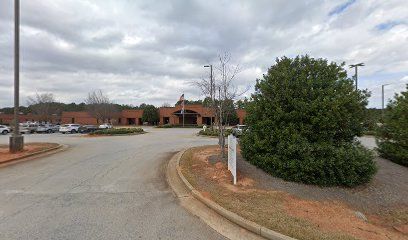
Henry County Counseling Center
McDonough, GA
- IOP
- MAT
Substance use treatment · Cognitive behavioral therapy · Dialectical behavior therapy
Accepts: Cash or self-payment, Medicaid, Medicare
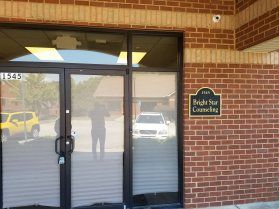
Bright Star Healthcare Group
McDonough, GA
- Outpatient
- MAT
Substance use treatment · All Clients in Opioid Treatment Program · SAMHSA-certified Opioid Treatment Program
Accepts: Cash or self-payment