

 1 / 3
1 / 3At a Glance
Location
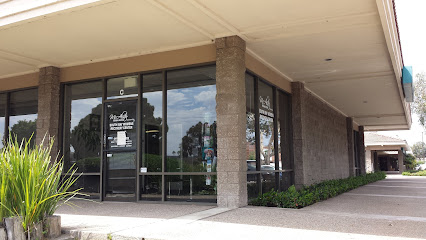
73 North 2nd Avenue, Chula Vista, CA 91910
Phone
619-426-4801Website
http://www.maacproject.orgPrimary Focus
Treatment Settings
Treatment Approaches
Special Programs
About MAAC Project Nosotros
MAAC Project in Chula Vista, CA offers residential treatment and outpatient programming for adults navigating substance use and co-occurring disorders. Rooted in the organization's broader mission of maximizing self-sufficiency, MAAC's recovery programs serve a wide range of populations — including veterans, young adults, and seniors — with Cognitive Behavioral Therapy at the center of its clinical approach.
MAAC Project is a substance use treatment center located in Chula Vista, California, within San Diego County. Part of the Metropolitan Area Advisory Committee — a longstanding community-serving organization focused on maximizing self-sufficiency for families and individuals — MAAC Project approaches addiction treatment as one piece of a larger commitment to community wellbeing. That organizational context sets it apart from standalone rehab facilities: recovery here exists within a broader network of human services.
MAC Project offers two core levels of care: residential treatment and an outpatient program. On the residential side, the center operates recovery homes designed to provide a nurturing environment and a sense of community for people working toward a sober lifestyle. The outpatient program gives people already stabilizing in their recovery a structured path to continue treatment while maintaining connections to their daily lives — a critical option for those transitioning between levels of care or building long-term aftercare routines.
Cognitive Behavioral Therapy (CBT) anchors the clinical work at MAAC Project. CBT is a well-regarded, skills-focused approach that helps people identify and reshape the thought patterns driving addictive behavior — making it particularly well-suited for the co-occurring disorders and trauma or PTSD that the center specifically treats. The dual diagnosis lens means clients dealing with mental health challenges alongside substance use are not redirected elsewhere; those conditions are addressed together within MAAC's programming.
MAC Project serves a notably broad population, including veterans, young adults ages 18 to 25, seniors and older adults, men, individuals with HIV/AIDS support needs, people who are deaf or hard of hearing, and those with court-ordered treatment requirements. Medicaid and Medicare are accepted, removing cost barriers for many community members who might otherwise struggle to access residential or outpatient substance abuse treatment. For anyone seeking a recovery center embedded in a community-oriented organization with the infrastructure to meet people where they are, MAAC Project represents a distinctive option in the San Diego region.
Residential Treatment & Sober Living at MAAC Project
MAAC Project's residential recovery program centers on more than clinical programming — the center describes its recovery homes as places designed to provide a nurturing environment and a feeling of community. For people in early or ongoing recovery, that community dimension matters. Residential treatment at MAAC means living alongside others committed to a sober lifestyle, within an organization that has deep roots in the Chula Vista and broader San Diego community.
The residential level of care is particularly well-suited to people who need more than weekly check-ins to build a stable recovery foundation. Being removed from environments that reinforce substance use — and replaced by a structured, peer-supported setting — is one of the most consistent factors in successful long-term outcomes. MAAC Project's recovery homes are designed with that transition in mind.
Outpatient Program: Continuing Care and Recovery Community
For individuals who are ready to step down from residential treatment or who are earlier in their recovery journey and able to live independently, MAAC Project's outpatient program offers ongoing substance abuse treatment without requiring full residential enrollment. Outpatient care is a cornerstone of lasting recovery — it bridges the gap between intensive treatment and fully independent living, providing accountability and clinical support while people rebuild their daily routines.
The outpatient program also serves as a practical aftercare pathway for those completing residential treatment at MAAC. Staying connected to a familiar treatment team and peer community during that transition period reduces the risk of relapse and reinforces the skills developed in residential care. Cognitive Behavioral Therapy continues to inform the clinical approach at this level as well.
Treating Co-Occurring Disorders and Trauma Alongside Addiction
MAAC Project specifically addresses co-occurring disorders and dual diagnosis — meaning clients dealing with mental health conditions like trauma or PTSD alongside substance use disorders are treated for both within the same program. This integrated approach recognizes that untreated mental health conditions are among the most common drivers of relapse, and that effective addiction treatment cannot ignore what's happening beneath the surface.
Cognitive Behavioral Therapy is the confirmed therapeutic method used at MAAC Project, and it is particularly well-matched to trauma and co-occurring disorder treatment. CBT helps clients recognize how thought patterns, emotional responses, and behavioral cycles interact — giving them practical tools to manage both their mental health and their recovery simultaneously rather than treating each in isolation.
Who MAAC Project Serves
Few rehab and addiction treatment centers in the San Diego area serve as wide a range of populations as MAAC Project does. The center's programs are designed to meet veterans, young adults between 18 and 25, seniors and older adults, men, individuals with HIV/AIDS support needs, people who are deaf or hard of hearing, and those in court-ordered treatment. Each of these groups faces distinct barriers to recovery, and MAAC's explicit focus on serving them reflects the organization's broader community mission.
On the financial side, MAAC Project accepts Medicaid and Medicare — two of the most important coverage options for people who might otherwise be priced out of residential treatment or ongoing outpatient care. For families and individuals navigating recovery without private insurance, this makes MAAC Project one of the more accessible substance abuse treatment options in Chula Vista, CA.
Why Choose MAAC Project Nosotros
- Part of MAAC, a community-wide organization focused on self-sufficiency — recovery is supported by a broader human services network
- Residential recovery homes framed explicitly around community and sober living, not just clinical stabilization
- Dual diagnosis treatment for co-occurring disorders and trauma/PTSD built into the program, not offered as a referral
- Unusually broad population reach: veterans, seniors, young adults, deaf and hard of hearing individuals, and court-ordered clients all served
- Medicaid and Medicare accepted, making residential treatment and outpatient care accessible to underinsured community members
Frequently Asked Questions
What levels of care does MAAC Project offer for addiction treatment?
MAAC Project offers two levels of care: residential treatment and an outpatient program. Residential treatment is provided through recovery homes that emphasize community and sober living. The outpatient program supports people continuing their recovery while living independently, and can also serve as an aftercare step following residential treatment.
Does MAAC Project treat co-occurring mental health conditions alongside substance use?
Yes. MAAC Project specifically treats co-occurring disorders and dual diagnosis, as well as trauma and PTSD. Clients do not need to seek separate mental health treatment — these conditions are addressed within MAAC's programming alongside substance use treatment.
What therapy approach does MAAC Project use in its recovery programs?
MAAC Project uses Cognitive Behavioral Therapy (CBT) as its confirmed therapeutic method. CBT is a skills-focused approach that helps people identify and change the thought patterns and behaviors connected to substance use and co-occurring conditions.
Which populations does MAAC Project specifically serve?
MAAC Project serves veterans, young adults ages 18 to 25, seniors and older adults, men, individuals with HIV/AIDS support needs, people who are deaf or hard of hearing, and those with court-ordered treatment requirements. This breadth of population focus is a defining feature of the center.
Does MAAC Project accept Medicaid or Medicare for rehab and treatment?
Yes, MAAC Project accepts both Medicaid and Medicare. This makes both residential treatment and outpatient programming accessible to community members who rely on public insurance coverage.
Where is MAAC Project located?
MAAC Project is located at 73rd North 2nd Avenue Suite B in Chula Vista, California, within San Diego County.
What is MAAC Project's connection to the broader MAAC organization?
MAAC stands for Metropolitan Area Advisory Committee, an organization focused on maximizing self-sufficiency for families and individuals through a range of community programs. MAAC Project's substance use treatment services are part of that larger mission, situating addiction recovery within a community-support framework rather than as a standalone clinical service.
Is MAAC Project a good fit for someone who needs both residential and outpatient care?
Yes. MAAC Project offers both residential treatment and an outpatient program, which means individuals can potentially transition from one level of care to the other within the same organization. This continuity of care supports long-term recovery by keeping clients connected to the same community and clinical approach as their needs evolve.
Does MAAC Project offer sober living or recovery housing?
MAAC Project operates residential recovery homes that are described as providing a nurturing environment and a sense of community for people seeking a sober lifestyle. These homes are part of the residential treatment level of care at the center.
Can veterans access addiction treatment and recovery programs at MAAC Project?
Yes. Veterans are among the specific populations that MAAC Project is designed to serve. The center's residential treatment and outpatient programs are available to veterans, and the organization accepts Medicaid and Medicare, which are common coverage sources for veterans in need of substance abuse treatment.
Nearby Treatment Centers
McAlister Institute for Trt and Educ (MITE)/South Bay Womens Recovery Ctr
National City, CA
- IOP
Substance use treatment · Accepts clients on opioid medication but prescribed elsewhere · Cognitive behavioral therapy
Accepts: Cash or self-payment, Medicaid, Private health insurance
McAlister Institute for Trt and Educ (MITE)/STRC
Chula Vista, CA
- IOP
Substance use treatment · Accepts clients on opioid medication but prescribed elsewhere · Cognitive behavioral therapy
Accepts: Cash or self-payment, Medicaid, Sliding fee scale
Volunteers of America Southwest CA Inc Renaissance Treatment Center
National City, CA
- Detox
- Residential
- MAT
Substance use treatment · Accepts clients on opioid medication but prescribed elsewhere · Cognitive behavioral therapy
Accepts: Cash or self-payment
Union of Pan Asian Communities UPAC New Leaf Recovery Center South
Chula Vista, CA
- PHP
- Outpatient
Substance use treatment · Accepts clients on opioid medication but prescribed elsewhere · Cognitive behavioral therapy
Accepts: Medicaid, Medicare, Payment assistance
San Diego VAMC Chula Vista Clinic
Chula Vista, CA
- Outpatient
- MAT
Substance use treatment · Cognitive behavioral therapy · Substance abuse counseling
Accepts: Cash or self-payment, Private health insurance
Tradition One
San Diego, CA
- Residential
- Sober Living
Substance use treatment · Accepts clients on opioid medication but prescribed elsewhere · Cognitive behavioral therapy
Accepts: Cash or self-payment, Medicaid, Medicare