

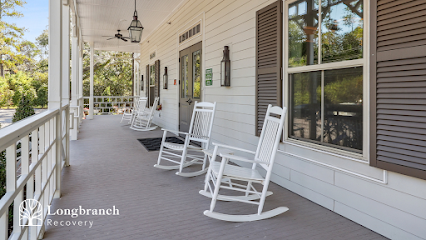
At a Glance
Location
21516 Highway 36, Abita Springs, LA 70420
Phone
504-635-3535Primary Focus
Treatment Settings
Treatment Approaches
Special Programs
About Longbranch Recovery Center
Longbranch Recovery Center in Abita Springs, Louisiana offers medical detox, residential treatment, and an intensive outpatient program for adults navigating substance abuse treatment and co-occurring disorders. With a 45-day residential program, structured aftercare planning, and a dedicated alumni support network, Longbranch is built for people committed to long-term recovery — not just getting through the first week.
Longbranch Recovery Center sits on Highway 36 in Abita Springs, Louisiana, in Saint Tammany Parish, offering a full continuum of substance abuse treatment for adults ready to invest seriously in recovery. CARF-accredited and open 24 hours, the center serves men, women, veterans, active duty military, professionals, and families — making it one of the more broadly accessible recovery centers in the region. The facility treats alcohol addiction, co-occurring disorders, and mental health conditions within the same treatment setting.
The care continuum at Longbranch spans three core levels: medical detox, residential treatment, and an Intensive Outpatient Program (IOP). The residential program runs a defined 45-day length of stay, giving clients enough time to move beyond stabilization and into the deeper work of recovery. The IOP extends that continuum for those transitioning out of residential care or entering treatment in a less intensive format, providing structured clinical support while allowing greater day-to-day flexibility.
Cognitive Behavioral Therapy (CBT) anchors the clinical approach at Longbranch, pairing structured therapeutic work with mindfulness activities and yoga. Dual diagnosis treatment — addressing both substance use and mental health conditions simultaneously — is a core part of what the center offers rather than an add-on. Payment options include private insurance, TRICARE for military-connected clients, self-pay, and a sliding scale fee structure.
Longbranch is built for people who are thinking beyond detox. The center's aftercare infrastructure includes formal aftercare planning, alumni support, long-term case management, and a structured step-down initiative called the Next Steps program. Veterans and active duty military have dedicated access to the program, and TRICARE is accepted directly. For families navigating a loved one's recovery, Longbranch includes family members as a recognized population it serves — making the center a realistic option for those who want the entire support system involved in the process.
A Full Continuum: From Medical Detox to Aftercare
Longbranch Recovery Center offers three connected levels of care — medical detox, residential treatment, and an Intensive Outpatient Program — structured so that clients can move through treatment without losing momentum. Medical detox handles the initial stabilization phase, and the 45-day residential program picks up from there, providing enough time for meaningful therapeutic progress rather than a rushed handoff back to daily life.
The Intensive Outpatient Program serves two distinct groups: people stepping down from residential treatment who still need structured clinical support, and those entering the recovery process in a less intensive setting from the start. Together, these three levels form a continuum that addresses both the early and ongoing stages of recovery — which is exactly what long-term sobriety requires.
Aftercare, Alumni Support, and the Next Steps Program
What happens after residential treatment often determines whether recovery holds. Longbranch addresses this directly through a suite of aftercare services that includes formal aftercare planning, long-term case management, and alumni support. The Next Steps program is a structured step-down initiative designed to help clients transition from the residential environment back into their lives without falling through the gaps that often appear in that period.
Alumni support gives graduates an ongoing connection to the Longbranch recovery community — a resource that matters most in the months after discharge, when peer connection and accountability are still critical. For a recovery center audience that understands the stakes of the post-treatment phase, this infrastructure is a meaningful differentiator.
Who Longbranch Serves
Longbranch accepts men, women, veterans, active duty military, professionals, and families. The inclusion of veterans and active duty military as a named population — alongside TRICARE as an accepted payment method — signals that the center has built its program to genuinely serve that community, not just list them as eligible. Professionals navigating substance abuse treatment and career concerns are also served, as are family members seeking to be part of the recovery process rather than observers of it.
Co-occurring disorders and mental health conditions are treated alongside substance use, which is significant for clients who arrive with more than one clinical need. Dual diagnosis treatment requires a facility prepared to address both sides of that picture simultaneously, and Longbranch confirms that as part of its scope of care.
CBT, Mindfulness, and the Clinical Framework at Longbranch
Cognitive Behavioral Therapy forms the clinical backbone of treatment at Longbranch, giving clients structured tools to identify and change the thought patterns that sustain addictive behavior. CBT is one of the most rigorously studied approaches in addiction treatment, and its inclusion as the confirmed therapeutic method here reflects a clinically grounded program design.
Alongside CBT, the center incorporates mindfulness activities and yoga into the residential experience — practices that support stress regulation and self-awareness in ways that complement the formal therapy work. The combination gives clients both a framework for understanding their behavior and practical tools for managing it, which is relevant not just during treatment but throughout ongoing recovery.
Why Choose Longbranch Recovery Center
- Defined 45-day residential program that moves clients through detox and into sustained recovery work — not a revolving-door short stay
- Next Steps step-down program and long-term case management designed to carry clients through the transition out of residential care
- TRICARE accepted, with veterans and active duty military listed as a served population — uncommon for community-based recovery centers
- CARF-accredited facility treating co-occurring disorders and mental health alongside substance abuse treatment under one roof
- Alumni support network built into the aftercare model, connecting graduates to a recovery community after discharge
Frequently Asked Questions
What levels of care does Longbranch Recovery Center offer?
Longbranch offers medical detox, residential treatment, and an Intensive Outpatient Program (IOP). These three levels form a connected continuum designed to carry clients from initial stabilization through active treatment and into the transition back to daily life.
How long is the residential program at Longbranch?
Residential clients at Longbranch typically stay for 45 days. That length of stay is intentional — it provides enough time to move beyond detox and engage in the deeper clinical and behavioral work that supports lasting recovery.
Does Longbranch have aftercare and alumni support?
Yes. Longbranch offers formal aftercare planning, alumni support, long-term case management, and a structured step-down initiative called the Next Steps program. These services are designed to support clients through the critical transition period after residential treatment ends and maintain connection to the recovery community afterward.
Does Longbranch treat co-occurring mental health conditions?
Longbranch treats co-occurring disorders and mental health conditions alongside substance use. Dual diagnosis treatment is part of the center's confirmed scope of care, not an add-on service.
Does Longbranch accept TRICARE or serve veterans?
Yes. Longbranch accepts TRICARE and specifically serves veterans and active duty military as a named population. This makes it a practical option for military-connected individuals and families seeking addiction treatment or residential care.
What payment options does Longbranch accept?
Longbranch accepts private insurance, TRICARE, self-pay and cash, and offers a sliding scale fee structure. Prospective clients should contact the center directly at (504) 635-3535 to discuss their specific insurance coverage and payment options.
Is Longbranch Recovery Center accredited?
Longbranch holds CARF accreditation, which indicates the facility has met independent standards for quality in addiction treatment and rehabilitation services.
What therapeutic methods does Longbranch use?
Cognitive Behavioral Therapy (CBT) is the confirmed therapeutic approach at Longbranch. The center also incorporates mindfulness activities and yoga as part of the residential program.
Who does Longbranch Recovery Center serve?
Longbranch serves men, women, veterans, active duty military, professionals, and families. The center treats alcohol addiction, co-occurring disorders, and mental health conditions, and is equipped for clients with more than one clinical need.
Where is Longbranch Recovery Center located and is it open around the clock?
Longbranch is located at 21516 Highway 36 in Abita Springs, Louisiana, in Saint Tammany Parish. The facility operates 24 hours a day, and can be reached at (504) 635-3535.
Nearby Treatment Centers
Youth Service Bureau of St Tammany Covington Location
Covington, LA
- IOP
Substance use treatment · Does not use medication for opioid addiction · Cognitive behavioral therapy
Accepts: Cash or self-payment, Sliding fee scale, Payment assistance
Lake Wellness Center
Covington, LA
- Detox
- PHP
- IOP
- MAT
Substance use treatment · Accepts clients on opioid medication but prescribed elsewhere · Cognitive behavioral therapy
Accepts: Cash or self-payment, Medicaid, Private health insurance
Mandeville Behavioral Health Clinic
Mandeville, LA
- PHP
- IOP
- MAT
Substance use treatment · Accepts clients on opioid medication but prescribed elsewhere · Cognitive behavioral therapy
Accepts: Cash or self-payment, Medicaid, Medicare
Alcohol and Drug Unit
Mandeville, LA
- Residential
- MAT
Substance use treatment · Cognitive behavioral therapy · Dialectical behavior therapy
Accepts: Cash or self-payment, Medicaid, Private health insurance
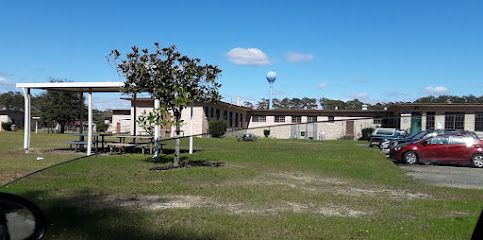
Fontainebleau Treatment Center
Mandeville, LA
- Residential
- MAT
Substance use treatment · Cognitive behavioral therapy · Dialectical behavior therapy
Accepts: Cash or self-payment, Medicaid, Private health insurance
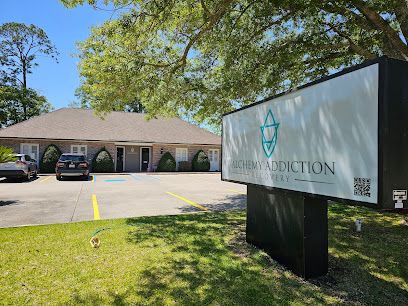
ACER LLC
Slidell, LA
- Detox
- IOP
- MAT
Substance use treatment · Cognitive behavioral therapy · Dialectical behavior therapy
Accepts: Cash or self-payment, Medicaid, Private health insurance