

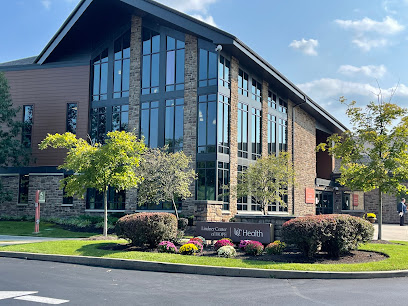
At a Glance
Location
4075 Old Western Row Road, Mason, OH 45040
Phone
513-536-4673Website
http://www.lindnercenter.orgPrimary Focus
Treatment Settings
Treatment Approaches
Special Programs
About Lindner Center of HOPE
Lindner Center of HOPE in Mason, Ohio is a nationally recognized psychiatric hospital and addiction treatment center offering a full continuum of care — from acute inpatient and residential treatment to outpatient programs and telehealth. Since 2008, the center has served adults, adolescents, and children dealing with addictive disorders alongside co-occurring mental health conditions, all within a Joint Commission-accredited facility.
Lindner Center of HOPE is a psychiatric hospital and mental health center located in Mason, Ohio, just northeast of Cincinnati in Warren County. Recognized as a national leader in mental health and addiction treatment, the center operates 24 hours a day and brings together clinical research, specialty psychiatry, and a broad spectrum of addiction and substance abuse treatment programs under one roof. Its on-site research institute sets it apart from most regional recovery centers, connecting patients to emerging clinical knowledge alongside direct care.
For those navigating longer-term recovery, Lindner Center offers a full continuum that includes residential treatment, acute inpatient care, Adult Partial Hospitalization (PHP), an Intensive Outpatient Program (IOP), standard outpatient care, and telehealth services. This range means individuals can step through levels of care as their recovery progresses — from more structured residential treatment into outpatient programming — without having to transition to an entirely different provider or recovery community. The availability of telehealth further supports continuity for those managing ongoing outpatient needs from home.
The center's clinical team addresses addictive disorders alongside co-occurring conditions including anxiety disorders, depression and bipolar disorder, eating disorders, and obsessive compulsive disorder. Confirmed therapeutic methods include Dialectical Behavior Therapy (DBT) and Radically Open DBT (RO-DBT), Transcranial Magnetic Stimulation (TMS), and Electroconvulsive Therapy (ECT) — a clinical toolkit that goes well beyond what most outpatient or residential programs in the region provide. The presence of dedicated specialists, including a Chief Medical Officer, a Chief of Adult Psychiatry, and a Chief of Child and Adolescent Psychiatry, reflects the depth of the clinical staff.
Lindner Center of HOPE serves adults, adolescents, and children, making it one of the few addiction treatment and mental health centers in the Cincinnati area equipped to support multiple family members or to follow a patient from adolescence into adulthood. Joint Commission accreditation signals a consistent standard of care across all programs. For individuals and families seeking a recovery center capable of treating complex, co-occurring conditions at multiple levels of intensity, Lindner Center represents a sustained, clinically grounded option in southwestern Ohio.
A Full Continuum for Addiction Treatment and Recovery in Mason, OH
Recovery rarely follows a straight line, and Lindner Center of HOPE is structured to reflect that reality. The center offers six distinct levels of care — acute inpatient, residential treatment, Adult Partial Hospitalization (PHP), Intensive Outpatient Program (IOP), outpatient care, and telehealth — allowing individuals to move through a coordinated system rather than transferring between unconnected providers as their needs change. For those focused on longer-term recovery, that continuity can make a meaningful difference.
The Adult PHP and IOP levels are particularly relevant for people transitioning out of residential treatment or seeking structured support while living in the community. Telehealth services extend access for ongoing outpatient programming, supporting recovery community engagement without requiring daily in-person visits. This stepped structure positions Lindner Center as a long-term recovery partner rather than a single-episode treatment stop.
Treating Co-Occurring Disorders Alongside Addictive Disorders
For many people in recovery, addiction does not arrive alone. Lindner Center of HOPE treats addictive disorders alongside a documented range of co-occurring conditions — including anxiety disorders, depression and bipolar disorder, obsessive compulsive disorder, eating disorders, and women's mental health concerns. This dual focus is built into the center's clinical structure, not added as an afterthought, and is supported by a team that includes board-certified psychiatrists specializing in both adult and adolescent populations.
The center's confirmed therapeutic methods include DBT and RO-DBT — approaches with established use in treating emotion dysregulation common in both addiction and mood disorders — as well as TMS and ECT for conditions that have not responded to other treatments. For families evaluating substance abuse treatment centers, the ability to address complex mental health needs within the same facility is a practical consideration that Lindner Center is explicitly equipped to meet.
Who Lindner Center of HOPE Serves
Lindner Center of HOPE serves adults, adolescents, and children across its programs, with dedicated clinical leadership for each population. Tracy Suzanne Cummings, MD, serves as Chief of Child and Adolescent Psychiatry and Medical Director of the Adolescent PHP and IOP — meaning younger patients in structured outpatient programming have specialist oversight specific to their developmental needs. Adult programs are guided by William Hartmann, MD, FAPA, Chief of Adult Psychiatry, alongside a Chief Medical Officer and clinical directors overseeing psychological services, outpatient care, and eating disorder treatment.
This depth of specialization matters for families where more than one member may need support, or for individuals whose treatment needs span adolescence into adulthood. Located in Mason, Ohio, the center draws from the greater Cincinnati region and is accessible to Warren County residents seeking a recovery center with psychiatric hospital-level resources and a long-term treatment framework.
Clinical Research as Part of the Treatment Environment
One feature that distinguishes Lindner Center of HOPE from most addiction treatment and mental health centers in the region is its on-site research institute. The presence of a research arm within the same facility means that clinical care can be informed by active investigation into psychiatric and addictive disorders — an integration that is uncommon outside of academic medical centers. The center has also offered continuing education programming, including a free educational webcast series for mental health professionals, reflecting its orientation toward advancing knowledge in the field.
For individuals and families choosing a substance abuse treatment center or residential treatment program, the research institute signals an institutional commitment to clinical rigor that extends beyond routine care delivery. Joint Commission accreditation further establishes a verifiable standard against which the center's programs are regularly measured.
Why Choose Lindner Center of HOPE
- On-site research institute connecting patients to clinical advances not available at most regional recovery centers
- Full continuum from acute inpatient and residential treatment through PHP, IOP, outpatient, and telehealth — enabling step-down care within one system
- Specialized treatment for co-occurring disorders including anxiety, depression, bipolar disorder, and eating disorders alongside addictive disorders
- Serves adults, adolescents, and children — one of the few centers in the Cincinnati area supporting multiple age groups and family-wide recovery needs
- Joint Commission-accredited psychiatric hospital open 24 hours with dedicated chiefs of adult and child/adolescent psychiatry on staff
Frequently Asked Questions
What levels of care does Lindner Center of HOPE offer for addiction treatment and recovery?
Lindner Center of HOPE provides six levels of care: acute inpatient, residential treatment, Adult Partial Hospitalization (PHP), Intensive Outpatient Program (IOP), standard outpatient care, and telehealth. This continuum allows individuals to progress through increasingly independent levels of support within a single treatment system, which can be especially valuable for those focused on sustained, long-term recovery.
Does Lindner Center of HOPE treat co-occurring mental health and addiction disorders?
Yes. Lindner Center explicitly treats co-occurring disorders, addressing addictive disorders alongside conditions including anxiety disorders, depression and bipolar disorder, obsessive compulsive disorder, eating disorders, and women's mental health concerns. The center's clinical structure is designed to treat both areas together rather than as separate tracks.
What age groups does Lindner Center of HOPE serve?
The center serves adults, adolescents, and children. Dedicated clinical leadership exists for each population — including a Chief of Child and Adolescent Psychiatry who also directs the Adolescent PHP and IOP — making it one of the few facilities in the Cincinnati area equipped to serve multiple age groups within a single recovery-oriented system.
Is Lindner Center of HOPE accredited?
Yes. Lindner Center of HOPE holds accreditation from The Joint Commission, one of the most recognized independent standards bodies for healthcare and behavioral health organizations in the United States. The center is also classified as a psychiatric hospital and mental health center.
What therapeutic methods are used at Lindner Center of HOPE?
Confirmed therapeutic methods at Lindner Center include Dialectical Behavior Therapy (DBT) and Radically Open DBT (RO-DBT), Transcranial Magnetic Stimulation (TMS), and Electroconvulsive Therapy (ECT). DBT and RO-DBT are widely used in addiction and mental health treatment for addressing emotion dysregulation, while TMS and ECT are available for conditions that have not responded to other interventions.
Does Lindner Center of HOPE offer outpatient or telehealth options for ongoing recovery support?
Yes. In addition to residential and inpatient levels, the center offers an Intensive Outpatient Program (IOP), standard outpatient care, and telehealth services. These options support individuals who are transitioning from more intensive care or who need structured programming while living in the community — a key component of longer-term recovery planning.
Where is Lindner Center of HOPE located and what area does it serve?
Lindner Center of HOPE is located at 4075 Old Western Row Rd in Mason, Ohio 45040, in Warren County just northeast of downtown Cincinnati. The center serves the Mason, OH area and draws from the broader Cincinnati region. It operates 24 hours a day and can be reached by phone at (513) 536-4673.
When was Lindner Center of HOPE founded?
Lindner Center of HOPE was established in 2008. It has grown into what its own website describes as one of the nation's leading mental health and addiction treatment centers, with an on-site research institute alongside its full range of clinical programs.
Does Lindner Center of HOPE have specialized staff for addiction and mental health treatment?
The center has a deep clinical leadership structure that includes a President and CEO with a PhD, a Chief Medical Officer, a Chief of Adult Psychiatry, a Chief of Child and Adolescent Psychiatry, a Chief of Psychological Services, a Clinical Director of Eating Disorder Services, and a Medical Director for residential services. This level of specialist depth is uncommon among regional addiction treatment and recovery centers.
Does Lindner Center of HOPE conduct clinical research?
Yes. An on-site research institute is a confirmed feature of Lindner Center of HOPE, distinguishing it from most addiction treatment and mental health centers in the region. The center has also offered continuing education programming, including free educational webcasts for mental health professionals, reflecting its role in advancing clinical knowledge in the field.
Nearby Treatment Centers
Front Porch Counseling and Family Services
Mason, OH
- Outpatient
Substance use treatment · Does not treat opioid addiction · Cognitive behavioral therapy
Accepts: Cash or self-payment, Medicaid, State-financed health insurance plan other than Medicaid

Individual Care Center Inc
Cincinnati, OH
- Detox
- PHP
- IOP
- MAT
Substance use treatment · Cognitive behavioral therapy · Substance abuse counseling
Accepts: Cash or self-payment, Private health insurance, Military insurance
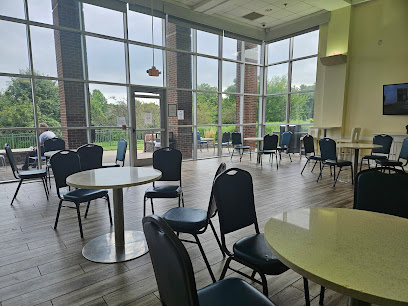
Lumiere Healing Center
West Chester, OH
- Detox
- Residential
- PHP
- IOP
Substance use treatment · Cognitive behavioral therapy · Substance abuse counseling
Accepts: Cash or self-payment, Medicaid, Private health insurance
Modern Psychiatry and Wellness LLC
West Chester, OH
- Detox
- PHP
- IOP
- MAT
Substance use treatment · Cognitive behavioral therapy · Dialectical behavior therapy
Accepts: Cash or self-payment, Medicaid, Medicare

eXclusive Services
Cincinnati, OH
- Detox
- IOP
- MAT
Substance use treatment · SAMHSA-certified Opioid Treatment Program · Cognitive behavioral therapy
Accepts: Cash or self-payment, Medicaid, State-financed health insurance plan other than Medicaid
Bethesda Blue Ash Treatment Prog
Cincinnati, OH
- Detox
- IOP
- MAT
Substance use treatment · Accepts clients on opioid medication but prescribed elsewhere · Cognitive behavioral therapy
Accepts: Cash or self-payment, Medicaid, Medicare