


At a Glance
Location
96 Crossroads Boulevard, San Antonio, TX 78201
Phone
210-734-6362 x8100Primary Focus
Treatment Settings
Treatment Approaches
Special Programs
About Lifetime Recovery Treatment Center Outpatient Servs
Lifetime Recovery Treatment Center in San Antonio, Texas offers outpatient addiction treatment and Intensive Outpatient Programming for adults navigating co-occurring disorders, trauma, and PTSD. CARF-accredited and built around Cognitive Behavioral Therapy, the center serves a wide range of populations — including veterans, young adults, and seniors — with recovery coaching as a cornerstone of ongoing aftercare support.
Lifetime Recovery Treatment Center is a CARF-accredited outpatient clinic located at 96 Crossroads Boulevard in San Antonio, Texas, offering structured addiction treatment and substance abuse recovery services to adults across Bexar County. Rather than functioning as a short-term crisis intervention point, Lifetime Recovery is positioned as a long-term recovery partner — one that meets people where they are and builds a plan around sustained sobriety. The center accepts Medicaid, private insurance, self-pay, and financial assistance, and its commitment that no one is turned away for lack of financial resources sets a clear tone about who belongs here.
The center offers two primary levels of outpatient care: a standard Outpatient Program and an Intensive Outpatient Program (IOP). The IOP is structured to provide more concentrated clinical support for individuals managing co-occurring disorders or trauma alongside their recovery, without requiring a residential stay. Both tracks allow participants to maintain connections to their daily lives — work, family, community — while still engaging meaningfully in their treatment.
Cognitive Behavioral Therapy (CBT) anchors the clinical work at Lifetime Recovery, giving clients practical tools to identify and reshape the thought patterns that drive addictive behavior. The center also integrates a Family Education Group into its programming, recognizing that recovery rarely happens in isolation and that families need their own support and information. Recovery coaching is built into the aftercare framework, extending the relationship between the center and its clients well beyond formal treatment sessions.
Lifetime Recovery serves a notably broad range of populations, including veterans, young adults between 18 and 25, seniors and older adults, men, women, individuals with HIV/AIDS, and those attending under court order. This breadth reflects a recovery community model — one where diverse life experiences are part of the treatment environment rather than complications to route around. For anyone in the San Antonio area seeking an outpatient program that takes both trauma and long-term recovery seriously, Lifetime Recovery Treatment Center is worth a close look.
Outpatient & IOP: Recovery That Fits Into Real Life
For many people in recovery, the goal isn't just getting through the first weeks — it's building a life that sustains sobriety over months and years. Lifetime Recovery Treatment Center in San Antonio structures its outpatient programs around exactly that kind of long-term commitment. The standard Outpatient Program provides consistent clinical support while participants remain in their communities, maintaining employment, family responsibilities, and recovery relationships simultaneously.
The Intensive Outpatient Program (IOP) adds a deeper level of engagement for those managing co-occurring disorders or trauma alongside addiction. IOP participants receive more frequent and structured contact with clinical staff, making it a strong fit for individuals who need more than a weekly check-in but aren't in a situation requiring residential placement. Both levels of care are open seven days a week, giving the center real flexibility to meet people on their own schedules.
Treating the Whole Picture: Trauma, PTSD, and Co-occurring Disorders
Addiction rarely travels alone. At Lifetime Recovery, the clinical focus explicitly includes trauma, PTSD, and co-occurring mental health disorders — conditions that, when left unaddressed, make sustained recovery significantly harder. By treating these alongside substance use, the center avoids the fragmented approach of routing clients to separate providers for mental health and addiction care.
Cognitive Behavioral Therapy forms the backbone of this integrated work. CBT equips clients with concrete skills — learning to recognize triggers, interrupt automatic responses, and build new behavioral patterns — that carry value long after treatment ends. This approach is particularly well-suited to an outpatient setting, where clients are practicing these skills in real time within their actual daily environments rather than in a removed residential context.
Family Education and Recovery Coaching: Support Beyond the Session
Recovery doesn't happen in a vacuum, and Lifetime Recovery Treatment Center builds its programs with that reality in mind. The Family Education Group brings loved ones into the process — giving them context, skills, and a clearer understanding of what recovery actually requires. Families who are informed and engaged are better equipped to provide support without inadvertently undermining the work their loved one is doing.
Recovery coaching extends the center's reach into the aftercare phase. Rather than concluding the relationship at discharge, Lifetime Recovery connects clients with recovery coaches who can provide ongoing guidance, accountability, and encouragement as they navigate life post-treatment. This coaching element is a meaningful differentiator for anyone evaluating recovery centers in San Antonio with an eye toward long-term outcomes rather than just program completion.
Who Lifetime Recovery Serves
Lifetime Recovery Treatment Center has built its outpatient programming to serve a genuinely wide range of people. Veterans, young adults between 18 and 25, seniors and older adults, men, women, individuals with HIV/AIDS, and court-ordered participants are all explicitly part of the population this center is equipped to work with. That breadth is not incidental — it reflects a community-oriented approach where varied lived experiences inform and enrich the recovery environment.
On the financial side, the center accepts Medicaid, state insurance, private insurance including Cigna, Aetna, Community First Health Plans, and Wellpoint, as well as self-pay and financial assistance. The center's stated commitment — that no one is ever turned away for lack of financial resources — makes it a meaningful option for individuals and families in San Antonio who may otherwise feel priced out of quality addiction treatment.
Why Choose Lifetime Recovery Treatment Center Outpatient Servs
- CARF-accredited outpatient clinic with a firm policy that no one is turned away for lack of financial resources
- Dual-focus on trauma/PTSD and co-occurring disorders within an outpatient and IOP framework
- Recovery coaching built into aftercare — the support relationship doesn't end when formal treatment does
- Family Education Group included in programming, supporting the whole household through recovery
- One of the few outpatient programs in San Antonio serving veterans, seniors, young adults, and court-ordered participants under one roof
Frequently Asked Questions
What levels of care does Lifetime Recovery Treatment Center offer?
Lifetime Recovery offers two outpatient levels of care: a standard Outpatient Program and an Intensive Outpatient Program (IOP). The IOP provides more structured and frequent clinical engagement, making it a strong option for individuals managing co-occurring disorders or trauma alongside addiction. Both programs are designed to support long-term recovery without requiring a residential stay.
Does Lifetime Recovery treat co-occurring mental health conditions alongside addiction?
Yes. Lifetime Recovery Treatment Center explicitly treats co-occurring disorders and dual diagnosis, as well as trauma and PTSD, within its outpatient and IOP programs. Addressing these conditions alongside substance use is central to the center's clinical approach.
What therapy approach does Lifetime Recovery use?
Cognitive Behavioral Therapy (CBT) is the confirmed therapeutic method used at Lifetime Recovery. CBT helps clients identify and change the thought patterns and behaviors that contribute to addictive cycles, and its practical skill-building focus is well-suited to the outpatient setting.
Does Lifetime Recovery offer support for families?
Yes. The center includes a Family Education Group in its programming. This gives family members and loved ones access to information and support as part of the overall recovery process, recognizing that recovery affects — and is supported by — the people closest to the person in treatment.
What aftercare support is available after completing a program at Lifetime Recovery?
Lifetime Recovery provides recovery coaching as part of its aftercare support. Recovery coaches offer ongoing guidance and accountability after formal treatment ends, helping clients stay connected to their recovery goals as they transition into daily life.
Who does Lifetime Recovery Treatment Center serve?
The center is equipped to work with a broad range of populations, including veterans, young adults (18–25), seniors and older adults, men, women, individuals with HIV/AIDS, and court-ordered participants. This wide scope reflects a community-oriented recovery model designed to be inclusive rather than narrowly specialized.
What insurance does Lifetime Recovery accept?
Lifetime Recovery accepts private insurance plans including Cigna, Aetna, Community First Health Plans, and Wellpoint, as well as Medicaid and state insurance. Self-pay and financial assistance options are also available, and the center states that no one is ever turned away for lack of financial resources.
Is Lifetime Recovery Treatment Center accredited?
Yes. Lifetime Recovery Treatment Center holds CARF accreditation, which is an internationally recognized standard for quality in rehabilitation and addiction treatment services. CARF accreditation indicates that the facility has met rigorous standards for the care it provides.
Does Lifetime Recovery serve veterans specifically?
Yes. Veterans are among the explicitly listed populations that Lifetime Recovery Treatment Center is equipped to serve. The center's outpatient and IOP programs, with their focus on trauma and co-occurring disorders, are relevant to many veterans navigating recovery.
Where is Lifetime Recovery Treatment Center located?
Lifetime Recovery Treatment Center is located at 96 Crossroads Boulevard, Suite 200-A, in San Antonio, Texas 78201. The center can be reached by phone at (210) 734-6362 and is open seven days a week.
Nearby Treatment Centers
Texas Treatment Services LLC DBA STOP SA
San Antonio, TX
- Outpatient
- MAT
Substance use treatment · All Clients in Opioid Treatment Program · SAMHSA-certified Opioid Treatment Program
Accepts: Cash or self-payment

Best Option LLC
San Antonio, TX
- Outpatient
Substance use treatment · Accepts clients on opioid medication but prescribed elsewhere · Cognitive behavioral therapy
Accepts: Cash or self-payment, Medicaid, Private health insurance
A Turning Point Counseling and Rehab Center
San Antonio, TX
- IOP
Substance use treatment · Accepts clients on opioid medication but prescribed elsewhere · Cognitive behavioral therapy
Accepts: Cash or self-payment, Sliding fee scale
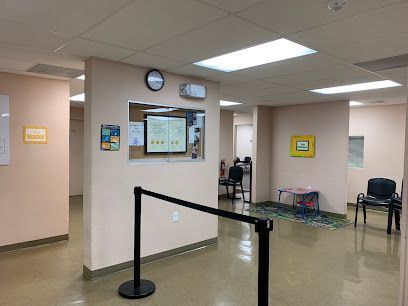
NW San Antonio Treatment Center Metro Treatment of Texas LP
San Antonio, TX
- Detox
- Outpatient
- MAT
Substance use treatment · All Clients in Opioid Treatment Program · SAMHSA-certified Opioid Treatment Program
Accepts: Cash or self-payment, Medicaid, Military insurance
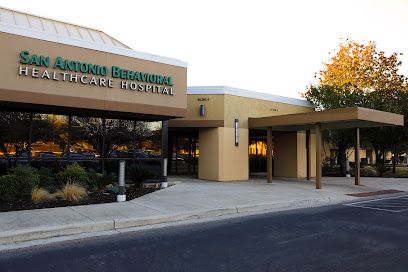
San Antonio Behavioral Healthcare Hosp
San Antonio, TX
- Detox
- PHP
- IOP
- MAT
Substance use treatment · Cognitive behavioral therapy · Dialectical behavior therapy
Accepts: Cash or self-payment, Medicaid, Medicare

Community Medical Services San Antonio on McCarty
San Antonio, TX
- Detox
- Outpatient
- MAT
Substance use treatment · All Clients in Opioid Treatment Program · SAMHSA-certified Opioid Treatment Program
Accepts: Cash or self-payment, Medicaid, Medicare