


At a Glance
Location
10290 Southton Road, San Antonio, TX 78223
Phone
210-633-0201Primary Focus
Treatment Settings
Treatment Approaches
Special Programs
About Lifetime Recovery Residential Servs
Lifetime Recovery Treatment Center in San Antonio, TX offers CARF-accredited residential treatment for adults navigating substance use and co-occurring disorders. Serving a wide range of populations — including veterans, young adults, seniors, men, and women — the center uses Cognitive Behavioral Therapy within a structured live-in recovery environment available seven days a week, around the clock.
Lifetime Recovery Treatment Center sits at 10290 Southton Road in San Antonio, Texas, operating as a dedicated substance use treatment facility within Bexar County. CARF-accredited and open 24 hours a day, seven days a week, the center functions as a long-term recovery partner for individuals who need more than a short-term fix — offering a residential setting where clients can step away from their everyday environment and focus fully on building a sustainable recovery.
The core level of care at Lifetime Recovery is residential treatment. This immersive, live-in model places clients inside a structured recovery community rather than cycling them in and out on a daily basis. Residential treatment is widely recognized as one of the more intensive pathways in addiction treatment, giving individuals the time and consistent support needed to address the roots of substance use — not just its surface symptoms.
Cognitive Behavioral Therapy (CBT) anchors the clinical approach here. CBT is a structured, goal-oriented method that helps people identify and change the thought patterns driving harmful behavior — a practical fit for residents working through both substance use and co-occurring mental health conditions. The center also addresses Trauma and PTSD alongside dual diagnosis cases, recognizing that addiction rarely exists in isolation from other life experiences.
Lifetime Recovery serves an unusually broad range of populations under one roof: veterans, young adults between 18 and 25, seniors and older adults, men, women, individuals needing HIV/AIDS support, and those entering treatment through court order. Payment options include Medicaid, private insurance, state insurance, self-pay, and financial assistance — lowering barriers for people across different financial situations who are ready to commit to residential recovery.
Residential Treatment Built for the Long Road
Recovery from substance use is rarely a straight line, and Lifetime Recovery Treatment Center's residential program is designed with that reality in mind. By offering a full live-in treatment environment, the center removes clients from the daily triggers and pressures that make early recovery so difficult. Residential treatment gives people the sustained time they need to do the deeper work — not just stabilize, but actually build the skills and self-awareness that support lasting sobriety.
The center operates 24 hours a day, every day of the week, which means support is not limited to office hours. For individuals whose recovery demands constant structure and access to care, that kind of availability matters. Clients working through trauma, dual diagnosis, or deeply rooted patterns of substance use benefit from an environment where consistent support is always present.
CBT and Dual Diagnosis Care at the Core
Cognitive Behavioral Therapy is the clinical backbone of treatment at Lifetime Recovery. CBT equips residents with practical tools to examine the thoughts and behaviors connected to their substance use — an approach especially relevant for those also managing co-occurring mental health conditions. The center explicitly treats Co-Occurring Disorders and Dual Diagnosis, acknowledging that for many people, substance use and mental health challenges are intertwined and need to be addressed together.
Trauma and PTSD treatment are also part of the clinical scope here. This is significant for populations like veterans, who often carry both the weight of service-related trauma and the challenges of reintegrating into civilian life. Addressing trauma within a residential addiction treatment setting means clients don't have to compartmentalize their recovery — the full picture is part of the work.
Who Lifetime Recovery Serves
Few residential treatment centers serve as broad a population as Lifetime Recovery. The center accepts veterans, young adults aged 18 to 25, seniors and older adults, men, women, individuals seeking HIV/AIDS support, and those referred through the court system. That breadth reflects a commitment to meeting people where they are, regardless of background or how they arrived at the decision to seek treatment.
Court-ordered clients, individuals navigating the intersection of chronic illness and addiction, and young adults stepping into recovery for the first time all find a place here. The diversity of the population served also enriches the residential community itself — recovery is strengthened by shared experience, and the range of residents at Lifetime Recovery reflects real-world human complexity rather than a narrow demographic slice.
Payment Options and Access to Care
Financial barriers are one of the most common reasons people delay or avoid addiction treatment. Lifetime Recovery works to reduce those barriers by accepting a range of payment options: Medicaid, private insurance, state insurance, self-pay and cash, and financial assistance. This variety means the center is accessible to people across different economic circumstances — not just those with comprehensive private coverage.
For families researching residential treatment options in San Antonio and the broader Bexar County area, the combination of CARF accreditation and flexible payment pathways provides meaningful reassurance. CARF accreditation signals that the program has met independent standards for quality and accountability — an important consideration when committing to a residential recovery program.
Why Choose Lifetime Recovery Residential Servs
- CARF-accredited residential treatment program based in San Antonio's Bexar County
- Treats co-occurring disorders and Trauma/PTSD alongside substance use — not addiction alone
- Serves an exceptionally wide population range: veterans, young adults, seniors, men, women, HIV/AIDS support, and court-ordered clients
- CBT-driven clinical model with 24/7 residential availability, seven days a week
- Multiple payment pathways including Medicaid, state insurance, private insurance, and financial assistance
Frequently Asked Questions
What level of care does Lifetime Recovery Treatment Center offer?
Lifetime Recovery provides residential treatment, a live-in level of care in which clients stay at the facility full-time during their program. This immersive model is suited for individuals who need a structured, around-the-clock recovery environment rather than a part-time or outpatient arrangement.
Is Lifetime Recovery Treatment Center accredited?
Yes. Lifetime Recovery holds CARF accreditation, which is an internationally recognized standard for rehabilitation and addiction treatment programs. CARF accreditation reflects an independent review of the center's quality, processes, and outcomes.
Does Lifetime Recovery treat co-occurring mental health conditions?
Yes. The center treats Co-Occurring Disorders and Dual Diagnosis, meaning clients dealing with both substance use and mental health conditions can receive integrated care within the residential program. Trauma and PTSD are also part of the center's clinical scope.
What therapy approach is used in the residential program?
Cognitive Behavioral Therapy (CBT) is the confirmed therapeutic method used at Lifetime Recovery. CBT is a structured approach that helps individuals identify and shift the thought patterns and behaviors connected to substance use, making it applicable for both addiction and co-occurring mental health conditions.
What populations does Lifetime Recovery serve?
The center serves veterans, young adults (ages 18–25), seniors and older adults, men, women, individuals needing HIV/AIDS support, and court-ordered clients. This wide range of accepted populations makes it one of the more inclusive residential treatment options in the San Antonio area.
Does Lifetime Recovery accept Medicaid or insurance?
Yes. The center accepts Medicaid, private insurance, and state insurance, as well as self-pay and cash options. Financial assistance is also available, which can help reduce barriers for individuals who may not have full insurance coverage.
Is Lifetime Recovery Treatment Center available 24/7?
Yes. The facility operates 24 hours a day, seven days a week, including weekends and holidays. For residents in a live-in treatment program, this means support is consistently available throughout their stay.
Where is Lifetime Recovery Treatment Center located?
The center is located at 10290 Southton Road in San Antonio, Texas 78223, in Bexar County. It operates as a residential treatment facility serving adults in the San Antonio region.
Does Lifetime Recovery accept court-ordered clients?
Yes. The center is confirmed to serve court-ordered individuals as part of its residential treatment program. People entering treatment through the legal system are among the populations explicitly served at Lifetime Recovery.
Is Lifetime Recovery a good fit for veterans seeking residential treatment?
Veterans are among the specific populations Lifetime Recovery is set up to serve. The center also addresses Trauma and PTSD within its residential program — conditions that are often relevant to veterans' recovery — and accepts Medicaid and other insurance options that may cover veteran care.
Nearby Treatment Centers
Phoenix Houses of Texas Inc San Antonio Outpatient
San Antonio, TX
- IOP
Substance use treatment · Accepts clients on opioid medication but prescribed elsewhere · Cognitive behavioral therapy
Accepts: Cash or self-payment, Medicaid, State-financed health insurance plan other than Medicaid
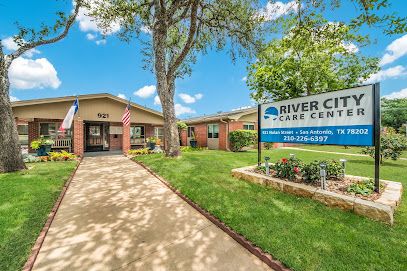
River City Rehabilitation Center Inc
San Antonio, TX
- Outpatient
- MAT
Substance use treatment · SAMHSA-certified Opioid Treatment Program · Cognitive behavioral therapy
Accepts: Cash or self-payment
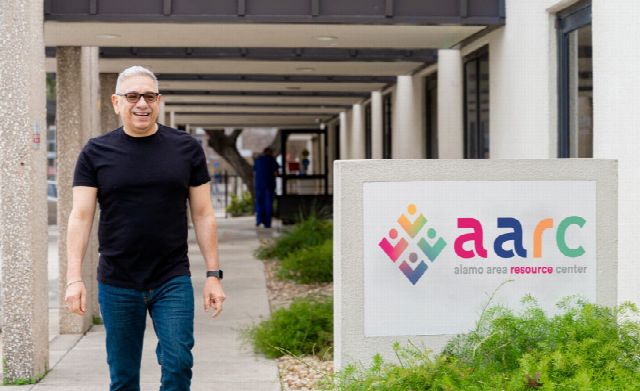
Alamo Area Resource Center Inc
San Antonio, TX
- Outpatient
Substance use treatment · Accepts clients on opioid medication but prescribed elsewhere · Cognitive behavioral therapy
Accepts: Cash or self-payment, Sliding fee scale, Payment assistance
Elite Counseling Deborah Judith Inc
San Antonio, TX
- IOP
Substance use treatment · Accepts clients on opioid medication but prescribed elsewhere · Cognitive behavioral therapy
Accepts: Cash or self-payment, Medicaid, State-financed health insurance plan other than Medicaid
Center for Healthcare Services Methadone Services
San Antonio, TX
- IOP
- MAT
Substance use treatment · SAMHSA-certified Opioid Treatment Program · Cognitive behavioral therapy
Accepts: Cash or self-payment, Medicaid, Medicare
AAMA Inc Selena Outpatient
San Antonio, TX
- IOP
Substance use treatment · Accepts clients on opioid medication but prescribed elsewhere · Cognitive behavioral therapy
Accepts: Cash or self-payment, Medicaid, State-financed health insurance plan other than Medicaid