

 1 / 3
1 / 3At a Glance
Location
100 Garrison Avenue NE, Buffalo, MN 55313
Phone
612-238-6700Primary Focus
Treatment Settings
Treatment Approaches
Special Programs
About Lakeside Academy Minnesota Adult and Teen Challenge
Lakeside Academy is a residential treatment and recovery center in Buffalo, MN, dedicated to boys ages 14–18 facing substance use disorder and co-occurring mental health conditions. Serving adolescents from across Minnesota — including Minneapolis, St. Paul, Duluth, Rochester, and Brooklyn Park — the program combines residential treatment, outpatient programming, and intensive outpatient care within a structured, youth-focused environment.
Lakeside Academy, located at 100 Garrison Avenue NE in Buffalo, MN, is a premier residential addiction treatment and recovery center for boys ages 14 to 18. Operated under the Minnesota Teen Challenge network, the program draws adolescents from communities across the state, including Minneapolis, St. Paul, Duluth, Rochester, and Brooklyn Park, offering a dedicated space where young men can step away from environments that fuel substance use and begin building a foundation for lasting recovery. Lakeside Academy is not a short-term detox stop — it is a residential treatment community designed for the longer arc of adolescent recovery.
The center offers three levels of care: residential treatment, an outpatient program, and an intensive outpatient program (IOP). This continuum allows young men to move through different phases of recovery without having to change providers or lose the therapeutic relationships they have built. Residential treatment serves as the core, surrounding adolescents with 24/7 staff support, while the outpatient and IOP tracks support step-down transitions and continued engagement in the recovery process.
Lakeside Academy's clinical approach is grounded in a range of confirmed therapeutic methods, including Cognitive Behavioral Therapy (CBT), Dialectical Behavior Therapy-informed skills, Acceptance and Commitment Therapy, Motivational Interviewing, and Relational Trauma Repair. Family is treated as a core part of the recovery process — Attachment Based Family Therapy, Family Therapy, and Parent Weekends are all built into the program. The center also offers psychiatry services with a psychiatrist on hand, and addresses co-occurring disorders including bipolar disorder, ADHD, depression, anxiety, trauma and PTSD, and self-harm alongside substance use disorder. A faith-based option is available for families who want that dimension integrated into treatment.
Lakeside Academy serves adolescents and young adults ages 14 to 25, with specific accommodations for individuals who are deaf or hard of hearing and those requiring HIV/AIDS support. The program's gender-responsive care model is tailored specifically to young men, and its educational component — combining conventional, online, and project-based learning — ensures that academic progress continues alongside recovery. Payment options include Medicaid, state insurance, private insurance, and self-pay, making the program accessible to a wide range of Minnesota families.
Residential Treatment for Adolescent Boys in Minnesota
Lakeside Academy is built around a straightforward premise: adolescent boys recovering from substance use disorder need more than a short stay — they need a sustained residential treatment environment where clinical care, peer community, education, and family engagement work together. Situated in Buffalo in Wright County, the academy draws young men from across Minnesota, including the Twin Cities metro, Duluth, and Rochester, giving families across the state access to a residential recovery center designed specifically for this population.
The residential program operates with 24/7 staff support, ensuring that adolescents have consistent access to guidance throughout the day and night. A psychiatrist is on hand to address the mental health dimensions of recovery, which is especially relevant given that many of the young men served carry co-occurring diagnoses alongside their substance use disorder. The program's faith-based option gives families who want a spiritual framework the ability to incorporate that into their son's treatment without it being mandatory for those who do not.
A Continuum of Care: From Residential to Outpatient Recovery
One of the defining features of Lakeside Academy's model is its full continuum of care. The program offers residential treatment, an outpatient program, and an intensive outpatient program (IOP) — three distinct levels that allow a young man's care to evolve as his recovery progresses. Rather than abruptly transitioning out of treatment, adolescents can step down through increasing levels of independence while maintaining connections to the clinical team and peer community they have developed during residential care.
This structure matters for long-term recovery outcomes. The step-down model reflects an understanding that the transition back to everyday life is itself a vulnerable period. By maintaining engagement through outpatient and IOP programming, Lakeside Academy supports adolescents through that critical phase rather than releasing them without a bridge. Aftercare is oriented toward recovery lifestyle integration, helping young men and their families build the habits and support networks that sustain sobriety beyond formal treatment.
Family-Centered Recovery: Therapy, Parent Weekends, and Ongoing Support
At Lakeside Academy, family involvement is not a sidebar — it is woven into the clinical model. The program offers both Family Therapy and Attachment Based Family Therapy as part of its therapeutic methods, recognizing that adolescent recovery rarely happens in isolation from family dynamics. Parent Weekends give families the opportunity to engage directly with the program, strengthening the relationships and communication patterns that support a young man's long-term sobriety.
This family-centered orientation is particularly relevant for parents navigating the challenges of adolescent substance use for the first time. Families from Minneapolis, St. Paul, Brooklyn Park, Rochester, and Duluth — as well as elsewhere in Minnesota — are part of the Lakeside community. The program accepts Medicaid, state insurance, private insurance, and self-pay, offering multiple pathways for families to access care regardless of their financial situation.
Treating Co-Occurring Disorders Alongside Substance Use
Many adolescent boys entering substance abuse treatment carry more than one diagnosis. Lakeside Academy is equipped to treat co-occurring disorders including depression, anxiety, bipolar disorder, ADHD, trauma and PTSD, anger management challenges, and self-harm alongside substance use disorder. This dual-diagnosis capacity means that young men do not have to choose between getting mental health care and getting addiction treatment — both are addressed within the same residential treatment environment.
The clinical team applies a range of therapeutic methods suited to this population: Cognitive Behavioral Therapy (CBT), DBT-informed skills, Acceptance and Commitment Therapy, Motivational Interviewing, Relational Trauma Repair, and person-centered therapy are all part of the program's confirmed therapeutic toolkit. Individual therapy, group therapy, and body image group work round out the clinical offerings, ensuring that each young man's treatment addresses the full picture of what brought him into care.
Why Choose Lakeside Academy Minnesota Adult and Teen Challenge
- Exclusively serves boys ages 14–18 (and young adults to 25), making it one of the few gender-responsive residential treatment programs in Minnesota focused entirely on adolescent male recovery
- Built-in academic programming — conventional, online, and project-based learning — keeps young men on track educationally throughout residential treatment
- Family integration is structural, not optional: Attachment Based Family Therapy, Family Therapy, and Parent Weekends are embedded in the program design
- A full continuum from residential treatment through intensive outpatient (IOP) and outpatient programs allows adolescents to step down without leaving their recovery community
- On-site psychiatry and treatment for co-occurring disorders including trauma/PTSD, bipolar disorder, ADHD, and depression are addressed alongside substance use disorder within the same program
Frequently Asked Questions
What ages does Lakeside Academy serve?
Lakeside Academy serves adolescents ages 14 to 18 in its core residential program, as well as young adults ages 18 to 25. The program is designed exclusively for males, with a gender-responsive care model tailored to the specific needs of young men in recovery.
What levels of care does Lakeside Academy offer?
The center offers three levels of care: residential treatment, an outpatient program, and an intensive outpatient program (IOP). This continuum allows young men to progress through treatment at a pace appropriate to their recovery without needing to transition to a different provider.
Does Lakeside Academy address mental health conditions alongside substance use?
Yes. Lakeside Academy treats co-occurring disorders including bipolar disorder, ADHD, depression, anxiety, trauma and PTSD, self-harm, and anger management alongside substance use disorder. A psychiatrist is on hand, and the program is specifically structured for dual-diagnosis adolescent and young adult males.
How is family involved in the treatment process at Lakeside Academy?
Family involvement is built into the program through Family Therapy, Attachment Based Family Therapy, and Parent Weekends. These elements are designed to repair and strengthen family relationships as a core component of long-term recovery, not as an optional add-on.
What payment options does Lakeside Academy accept?
Lakeside Academy accepts Medicaid, state insurance, private insurance, and self-pay. Families are encouraged to contact the admissions team directly at (844) 768-8336 or [email protected] to discuss coverage and financial options.
What areas of Minnesota does Lakeside Academy serve?
While the facility is located in Buffalo, MN, it serves young men from across the state, including Minneapolis, St. Paul, Brooklyn Park, Duluth, and Rochester. Families from anywhere in Minnesota are welcome to inquire about residential placement.
Does Lakeside Academy continue education during residential treatment?
Yes. The program includes conventional, online, and project-based learning so that adolescents can maintain academic progress throughout their time in residential treatment. This helps ensure that recovery does not come at the cost of educational continuity.
Is there a faith-based option at Lakeside Academy?
Yes. Lakeside Academy offers a faith-based option for families and young men who want a spiritual dimension incorporated into their treatment. This is an option within the program, not a requirement for all participants.
Does Lakeside Academy offer support for young men who are deaf or hard of hearing?
Yes. Lakeside Academy is confirmed to serve individuals who are deaf or hard of hearing. Families with specific communication needs are encouraged to discuss accommodations directly with the admissions team before enrollment.
What does aftercare look like at Lakeside Academy?
Aftercare at Lakeside Academy is oriented toward recovery lifestyle integration, supporting young men and their families in building the routines, relationships, and habits that sustain long-term sobriety after formal treatment ends. The step-down continuum — from residential to IOP to outpatient — is itself part of that aftercare structure.
Nearby Treatment Centers
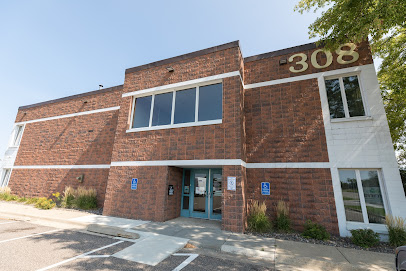
Central Minnesota Mental Health Ctr
Buffalo, MN
- PHP
- IOP
Substance use treatment · Accepts clients on opioid medication but prescribed elsewhere · Cognitive behavioral therapy
Accepts: Cash or self-payment, Medicaid, Medicare

Professional Counseling Center
Buffalo, MN
- Outpatient
Substance use treatment · Does not treat opioid addiction · Cognitive behavioral therapy
Accepts: Cash or self-payment, Medicaid, State-financed health insurance plan other than Medicaid
Professional Counseling Center
Delano, MN
- PHP
- IOP
- Sober Living
Substance use treatment · Does not treat opioid addiction · Cognitive behavioral therapy
Accepts: Cash or self-payment, Medicaid, State-financed health insurance plan other than Medicaid
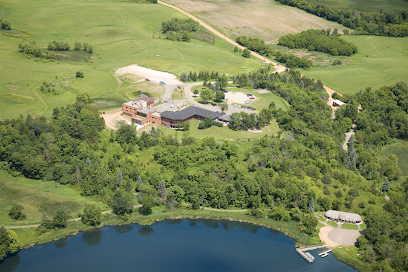
Vinland National Center Residential Program
Loretto, MN
- Residential
- MAT
Substance use treatment · Cognitive behavioral therapy · Dialectical behavior therapy
Accepts: Cash or self-payment, State-financed health insurance plan other than Medicaid, Active duty military
Central MN Mental Health Center
Monticello, MN
- IOP
Substance use treatment · Does not treat opioid addiction · Cognitive behavioral therapy
Accepts: Cash or self-payment, Medicare, State-financed health insurance plan other than Medicaid
Northwinds Counseling Services
Rogers, MN
- Outpatient
Substance use treatment · Does not treat opioid addiction · Cognitive behavioral therapy
Accepts: Cash or self-payment, State-financed health insurance plan other than Medicaid, Private health insurance