


At a Glance
Location
124 Bridgeton Pike, Mullica Hill, NJ 8062
Phone
856-434-4635Primary Focus
Treatment Settings
Treatment Approaches
About Kingsway Recovery LLC
LifeTime Recovery LLC in Mullica Hill, NJ offers structured outpatient addiction treatment across PHP, IOP, and standard outpatient levels of care. Serving residents throughout New Jersey, the Philadelphia region, Delaware, New York, and Connecticut, the center addresses a wide range of substance use disorders and co-occurring conditions. It is a focused outpatient recovery partner for adults at multiple stages of the recovery process.
LifeTime Recovery LLC is an outpatient addiction treatment center located at 124 Bridgeton Pike in Mullica Hill, New Jersey, within Gloucester County. The facility draws individuals from across New Jersey as well as neighboring states including Delaware, New York, and Connecticut, and the greater Philadelphia area — making it a regional resource for people seeking structured outpatient care without leaving their communities or support systems behind. The center operates 24 hours a day, seven days a week, reflecting a commitment to accessibility that sets it apart from many outpatient programs with limited contact hours.
LifeTime Recovery offers three distinct levels of outpatient care: Partial Hospitalization (PHP), Intensive Outpatient Program (IOP), and a standard Outpatient Program. This stepped structure allows individuals to begin at the intensity that fits their clinical needs and transition through levels of care as their recovery progresses — an important feature for anyone building a long-term sobriety plan rather than seeking a single point of intervention. The range of programming makes LifeTime Recovery a viable option for both people entering outpatient treatment for the first time and those stepping down from a higher level of residential care.
The center treats alcohol addiction, drug addiction, and a broad spectrum of specific substance use disorders, including heroin, cocaine, opiate, prescription drug, benzodiazepine, painkiller, stimulant, fentanyl, methamphetamine, and marijuana addiction. LifeTime Recovery also addresses gambling addiction, trauma and PTSD, and co-occurring disorders through dual diagnosis treatment. Therapeutic methods include Cognitive Behavioral Therapy (CBT), individual therapy, group therapy, family therapy, and holistic therapy — a combination that attends to the psychological, relational, and whole-person dimensions of sustained recovery.
LifeTime Recovery serves a broad population, including young adults ages 18 to 25, seniors and older adults, men, women, and individuals who are court-ordered into treatment. Payment options include private insurance, TRICARE, state insurance, and self-pay or cash, widening access for people across different financial situations. For families and individuals across the tri-state area looking for a recovery center that can meet them where they are — clinically and geographically — LifeTime Recovery's layered outpatient model and wide-ranging treatment focus make it a substantive option.
Outpatient Rehab Levels of Care at LifeTime Recovery
LifeTime Recovery LLC structures its outpatient programming around three distinct levels of care: Partial Hospitalization (PHP), Intensive Outpatient (IOP), and a standard Outpatient Program. This tiered model is central to how the center supports long-term recovery — clients can enter at the level that matches where they are clinically and move through programming as their needs evolve. For people stepping down from residential treatment or transitioning back into everyday life, having that range within a single facility matters.
The Partial Hospitalization Program represents the most intensive level of outpatient care, offering structured daily programming without requiring overnight stays. IOP provides a significant level of clinical engagement while allowing participants to live at home or in sober living arrangements. The standard outpatient tier supports those further along in their recovery who still benefit from regular therapeutic contact. Together, these levels form a recovery pathway that does not end when acute treatment does.
Conditions Treated and Populations Served in New Jersey and Beyond
LifeTime Recovery's clinical scope covers a wide range of substance use disorders — including alcohol, heroin, cocaine, opiate, prescription drug, benzodiazepine, painkiller, stimulant, fentanyl, methamphetamine, and marijuana addiction — alongside gambling addiction and co-occurring mental health conditions such as trauma, PTSD, and dual diagnosis. That breadth is meaningful for individuals whose recovery involves more than one challenge at once, which is more common than not.
The center serves young adults (18–25), seniors and older adults, men, women, and court-ordered individuals. Its geographic reach extends beyond Mullica Hill and Gloucester County into the broader New Jersey region, Delaware, New York, Connecticut, and Philadelphia County. For families supporting a loved one across state lines, or for individuals looking for a recovery center outside their immediate neighborhood, LifeTime Recovery functions as a regional resource rather than a purely local one.
Therapeutic Approach: What Treatment Looks Like at LifeTime Recovery
The therapeutic framework at LifeTime Recovery draws on a combination of modalities designed to address addiction and co-occurring conditions from multiple angles. Cognitive Behavioral Therapy (CBT) forms part of the clinical foundation, equipping clients with practical tools for identifying and shifting the thought patterns that contribute to substance use. This is paired with individual therapy, which offers focused one-on-one clinical work, and group therapy, which builds peer connection — an element that research consistently links to durable recovery outcomes.
Family therapy is also part of the program, recognizing that recovery rarely happens in isolation. The involvement of family members can strengthen a person's support network and address relational dynamics that often intersect with addiction. Holistic therapy rounds out the approach, attending to dimensions of wellbeing beyond symptom management. Together, these methods reflect a treatment philosophy that takes the whole person seriously, not just the presenting substance use.
Insurance and Payment Options for Addiction Treatment
Paying for substance abuse treatment is a real barrier for many families, and LifeTime Recovery accepts multiple payment types to reduce that friction. Private insurance is accepted, as is state insurance — covering individuals who rely on Medicaid or state-funded coverage. TRICARE is also accepted, making the program accessible to veterans, active-duty military members, and their families seeking outpatient addiction treatment in the New Jersey region.
For those without insurance coverage, self-pay and cash options are available. The combination of payment pathways means that a wider range of people — across income levels and insurance status — can access the PHP, IOP, and outpatient services the center provides. Anyone with questions about coverage or payment can reach LifeTime Recovery directly at (844) 896-8156 or by email at [email protected].
Why Choose Kingsway Recovery LLC
- Three-tiered outpatient structure — PHP, IOP, and standard outpatient — supports a full continuum from intensive treatment to sustained community-based recovery
- 24-hour availability sets this outpatient program apart from centers with limited contact windows
- Treats a wide spectrum of substance use disorders alongside co-occurring conditions including trauma, PTSD, and dual diagnosis
- Regional service area spanning New Jersey, Delaware, New York, Connecticut, and the Philadelphia area means the center is accessible to a broad recovery community
- Accepts TRICARE in addition to private and state insurance, extending access to veterans and military families alongside general adult populations
Frequently Asked Questions
What levels of outpatient care does LifeTime Recovery offer?
LifeTime Recovery offers three outpatient levels of care: Partial Hospitalization (PHP), Intensive Outpatient (IOP), and a standard Outpatient Program. This structure allows individuals to begin treatment at the right intensity and transition through levels as their recovery progresses. It is a practical model for anyone building long-term sobriety or stepping down from a residential setting.
What substance use disorders and conditions does LifeTime Recovery treat?
The center treats addiction to alcohol, heroin, cocaine, opiates, prescription drugs, benzodiazepines, painkillers, stimulants, fentanyl, methamphetamine, and marijuana, as well as gambling addiction. Co-occurring conditions including trauma, PTSD, and dual diagnosis are also addressed within the program.
Who does LifeTime Recovery serve?
LifeTime Recovery serves a broad adult population including young adults ages 18 to 25, seniors and older adults, men, women, and individuals who are court-ordered into addiction treatment. The center draws clients from across New Jersey, the Philadelphia area, Delaware, New York, and Connecticut.
Does LifeTime Recovery accept insurance?
Yes. LifeTime Recovery accepts private insurance, state insurance, and TRICARE, as well as self-pay and cash. This range of payment options makes the center accessible to veterans, individuals on Medicaid or state-funded plans, and those with private coverage or no insurance.
What therapeutic methods are used in treatment at LifeTime Recovery?
Therapeutic methods at LifeTime Recovery include Cognitive Behavioral Therapy (CBT), individual therapy, group therapy, family therapy, and holistic therapy. This combination addresses the psychological, relational, and whole-person aspects of addiction recovery rather than focusing narrowly on substance use alone.
Does LifeTime Recovery offer family therapy as part of addiction treatment?
Yes. Family therapy is a confirmed part of the therapeutic program at LifeTime Recovery. Involving family members in the treatment process can help strengthen a person's support network and address relational dynamics that often intersect with long-term recovery.
Is LifeTime Recovery able to treat co-occurring mental health conditions?
Yes. The center treats co-occurring disorders and dual diagnosis, including trauma and PTSD alongside substance use disorders. Addressing both conditions within the same treatment setting is an important component of sustained outpatient recovery for many individuals.
What are LifeTime Recovery's hours of operation?
LifeTime Recovery operates 24 hours a day. This level of availability is uncommon among outpatient addiction treatment programs and can be especially important for individuals or family members who need to reach the center outside of standard business hours.
Where is LifeTime Recovery located, and what areas does it serve?
The center is located at 124 Bridgeton Pike in Mullica Hill, New Jersey, in Gloucester County. Its service area includes communities throughout New Jersey, Philadelphia County, Delaware, New York, and Connecticut, making it a regional option for outpatient substance abuse treatment.
How can I contact LifeTime Recovery to learn about their programs?
You can reach LifeTime Recovery by phone at (844) 896-8156 or by email at [email protected]. The center's website is lifetimerecoverycenter.com. Given their 24-hour operating schedule, the team is reachable beyond standard business hours.
Nearby Treatment Centers
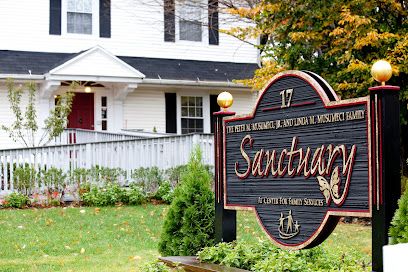
Center for Family Services The Sanctuary
Glassboro, NJ
- IOP
Substance use treatment · Accepts clients on opioid medication but prescribed elsewhere · Cognitive behavioral therapy
Accepts: Sliding fee scale, Payment assistance
Acenda Inc
Glassboro, NJ
- IOP
- MAT
Substance use treatment · Cognitive behavioral therapy · Dialectical behavior therapy
Accepts: Cash or self-payment, Medicaid, Medicare
Helping Hand Behavioral Health Corp
Clayton, NJ
- PHP
- IOP
- MAT
Substance use treatment · Accepts clients on opioid medication but prescribed elsewhere · Cognitive behavioral therapy
Accepts: Cash or self-payment, Medicaid, Sliding fee scale

Wounded Healer My Friends House FC
Woodbury Heights, NJ
- IOP
- MAT
Substance use treatment · Cognitive behavioral therapy · Dialectical behavior therapy
Accepts: Cash or self-payment, Medicaid, State-financed health insurance plan other than Medicaid
North East Counseling Services LLC
Clayton, NJ
- Outpatient
Substance use treatment · Accepts clients on opioid medication but prescribed elsewhere · Cognitive behavioral therapy
Accepts: Cash or self-payment, Private health insurance, Military insurance
SODAT of New Jersey Inc
Deptford, NJ
- IOP
- MAT
Substance use treatment · Cognitive behavioral therapy · Substance abuse counseling
Accepts: Cash or self-payment, Medicaid, Sliding fee scale