

At a Glance
Primary Focus
Treatment Settings
Treatment Approaches
Special Programs
About Kemah Palms Recovery
Kemah Palms Recovery in Kemah, Texas offers a full continuum of addiction treatment — from medical detox through residential treatment and outpatient programming — serving a wide range of adults including veterans, young adults, and those managing co-occurring disorders. With aftercare planning, sober living options, and an alumni fellowship built into the model, Kemah Palms is structured for the long arc of recovery, not just the first few days.
Kemah Palms Recovery is a substance use treatment center located at 1013 Delesandri Lane in Kemah, Texas, within Galveston County and part of the greater Houston recovery landscape. The facility operates around the clock — 24 hours a day — and positions itself among the top-rated rehabs in the Houston area, offering continuous access to care across every stage of the recovery process. For those evaluating a long-term recovery partner rather than a short-term intervention, Kemah Palms presents a structured continuum under one roof.
The center provides four distinct levels of care: medical detox, residential treatment, intensive outpatient (IOP), and a standard outpatient program. This progression allows individuals to move through treatment in a clinically appropriate sequence, starting with medically supervised detox when needed and stepping down through residential and outpatient care as stability grows. Most patients participate in treatment for 30 days or longer, depending on individual needs — a timeline that reflects a genuine commitment to sustained recovery rather than a quick discharge.
Clinically, Kemah Palms integrates Cognitive Behavioral Therapy (CBT) into its treatment approach, addressing the thought patterns and behaviors that fuel substance use. The center also specializes in trauma and PTSD alongside co-occurring disorders and dual diagnosis — recognizing that addiction rarely exists in isolation. This dual-diagnosis orientation means that mental health and substance use are treated together, not in sequence, which is a meaningful distinction for people whose recovery needs go beyond detox alone.
Kemah Palms serves a notably broad population: veterans, young adults between 18 and 25, men, women, pregnant women, individuals who are deaf or hard of hearing, those with HIV/AIDS support needs, and court-ordered clients. TRICARE is accepted alongside private insurance, self-pay, and sliding scale options — making the program accessible to military families and civilians alike. For individuals and families mapping out a recovery plan that includes aftercare, sober living connections, and an alumni fellowship, Kemah Palms offers a community-rooted framework from day one.
A Full Continuum of Care: From Medical Detox to Outpatient Recovery
One of the defining features of Kemah Palms Recovery is its ability to carry patients across the full spectrum of addiction treatment without requiring a facility transfer. The continuum begins with medical detox — the most clinically intensive starting point — and moves through residential treatment, intensive outpatient (IOP), and a standard outpatient program. Each level is designed to meet a different moment in the recovery arc, and the 24-hour operating schedule means support is available whenever it's needed.
Most patients at Kemah Palms participate in treatment for 30 days or longer. That program length reflects a philosophy rooted in lasting recovery rather than stabilization alone. For families and individuals who have watched shorter interventions fall short, the structure here is intentionally built for the longer road — and the aftercare program, sober living connections, and alumni fellowship ensure the support network doesn't disappear the day someone completes their primary treatment.
Trauma, Dual Diagnosis, and CBT: Treating the Whole Picture
Kemah Palms Recovery addresses trauma and PTSD as core clinical priorities — not add-ons. For many people entering residential treatment or an intensive outpatient program, unresolved trauma is at the center of their substance use, and a treatment model that separates the two often misses the mark. The center's co-occurring disorders and dual diagnosis focus reflects an understanding that mental health and addiction treatment need to happen together.
Cognitive Behavioral Therapy (CBT) is the confirmed therapeutic method used at Kemah Palms. CBT is a structured, goal-oriented approach that helps people identify and reshape the thought patterns and behavioral responses that drive addictive cycles. For those in the recovery community who have tried treatment before, the presence of CBT within a dual-diagnosis framework offers a clinically grounded option that addresses root causes alongside substance use itself.
Who Kemah Palms Serves — and How to Pay for Treatment
Kemah Palms Recovery is one of the few substance abuse treatment centers in the Houston area that explicitly serves such a wide range of populations under one program. Veterans receive dedicated attention, and the center accepts TRICARE — a meaningful combination for military families navigating the VA system or seeking private options. The program also serves young adults (18–25), pregnant women, men, women, individuals who are deaf or hard of hearing, those with HIV/AIDS support needs, and court-ordered clients.
Payment options include private insurance, TRICARE, self-pay or cash, and a sliding scale fee structure. The sliding scale option is particularly relevant for those who are uninsured or underinsured and seeking a residential treatment or outpatient program without a fixed-cost barrier. Admissions staff are available around the clock given the facility's 24-hour operation, which means questions about coverage and cost don't have to wait until business hours.
Aftercare, Sober Living, and the Alumni Fellowship
Recovery doesn't end at discharge — and Kemah Palms structures its programming with that reality in mind. The center offers a formal aftercare program, connections to sober living options, and an alumni fellowship for graduates of the program. For people in the Sober Nation community who understand that long-term sobriety is built through ongoing connection, these elements aren't optional extras; they're core components of a recovery plan that holds.
The alumni fellowship in particular reflects a community-oriented model. Peer support and shared accountability are among the most consistent predictors of sustained recovery, and a formalized alumni network gives graduates a place to stay connected — both to the recovery community and to others who understand the specific experience of Kemah Palms. For families evaluating recovery centers, the presence of structured aftercare and sober living pathways is a practical indicator that a program is invested in what happens after residential treatment ends.
Why Choose Kemah Palms Recovery
- Full continuum from medical detox through outpatient programming, all at one Kemah, TX location — reducing the disruption of transferring between facilities during recovery
- Dual-diagnosis and trauma/PTSD specialization means co-occurring mental health conditions are treated alongside substance use, not as an afterthought
- Dedicated aftercare program, sober living options, and alumni fellowship extend the recovery relationship well beyond discharge
- TRICARE acceptance makes the program directly accessible to veterans and military families seeking specialized substance abuse treatment
- Serves a wide range of populations — including pregnant women, deaf or hard of hearing individuals, and court-ordered clients — reflecting a genuinely inclusive admissions approach
Frequently Asked Questions
What levels of care does Kemah Palms Recovery offer?
Kemah Palms Recovery provides a full continuum of substance abuse treatment: medical detox, residential treatment, intensive outpatient (IOP), and a standard outpatient program. This structure allows individuals to begin at the appropriate level of clinical intensity and step down through care as they build stability. Having all four levels available at one center reduces the disruption of transitioning between facilities.
How long is treatment at Kemah Palms Recovery?
Most patients at Kemah Palms participate in treatment for 30 days or longer, with the exact length determined by individual clinical needs. This commitment to longer-term engagement reflects an understanding that meaningful recovery takes more than a brief stay. The aftercare program and sober living options extend support beyond the primary treatment period.
Does Kemah Palms Recovery treat trauma and co-occurring mental health conditions?
Yes. Kemah Palms specializes in treating trauma and PTSD alongside co-occurring disorders and dual diagnosis — meaning mental health conditions and substance use are addressed together rather than separately. Cognitive Behavioral Therapy (CBT) is a core part of the clinical approach. This integrated model is particularly relevant for people whose addiction is connected to underlying trauma or psychiatric conditions.
Does Kemah Palms accept TRICARE for veterans?
Yes. Kemah Palms Recovery accepts TRICARE, making it a viable option for veterans and active-duty military families seeking residential treatment or outpatient addiction care. The center also lists veterans as a specifically served population, which means the clinical team has experience addressing the unique recovery needs that military service can create.
What payment options are available at Kemah Palms Recovery?
Kemah Palms accepts private insurance, TRICARE, self-pay or cash, and offers a sliding scale fee structure. The sliding scale option helps make treatment accessible for those who are uninsured or underinsured. Because the facility operates 24 hours a day, admissions staff are available at any hour to discuss coverage and financial options.
What populations does Kemah Palms Recovery specialize in serving?
Kemah Palms serves a broad population including veterans, young adults (18–25), men, women, pregnant women, individuals who are deaf or hard of hearing, those with HIV/AIDS support needs, and court-ordered clients. This inclusive admissions approach means the center is equipped to address a wide range of backgrounds and circumstances within its addiction treatment and residential programs.
Does Kemah Palms Recovery offer aftercare and sober living support?
Yes. The center provides a formal aftercare program, connections to sober living options, and an alumni fellowship for program graduates. These recovery community resources are built into the model to support long-term sobriety after primary treatment ends. For individuals and families planning beyond the residential phase, these structured continuations are a meaningful part of what Kemah Palms offers.
Is Kemah Palms Recovery open 24 hours?
Yes, Kemah Palms Recovery operates 24 hours a day. This means admissions inquiries, intake support, and crisis response are available at any time — not just during business hours. For families or individuals navigating a difficult moment outside of normal office hours, that continuous availability can be an important factor when choosing a recovery center.
Where is Kemah Palms Recovery located?
Kemah Palms Recovery is located at 1013 Delesandri Lane in Kemah, Texas (ZIP 77565), within Galveston County. The center serves as part of the broader Houston-area recovery landscape and can be reached at (713) 568-1210.
Nearby Treatment Centers
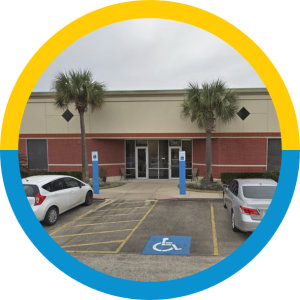
New Dimensions Day Treatment Centers
Houston, TX
- PHP
- IOP
Substance use treatment · Accepts clients on opioid medication but prescribed elsewhere · Cognitive behavioral therapy
Accepts: Cash or self-payment, Private health insurance, Active duty military

Bay Area Recovery Center
Dickinson, TX
- Residential
Substance use treatment · Does not use medication for opioid addiction · Cognitive behavioral therapy
Accepts: Cash or self-payment, Medicaid, State-financed health insurance plan other than Medicaid
Bay Area Recovery Center
Dickinson, TX
- Residential
Substance use treatment · Does not use medication for opioid addiction · Cognitive behavioral therapy
Accepts: Cash or self-payment, Medicaid, State-financed health insurance plan other than Medicaid
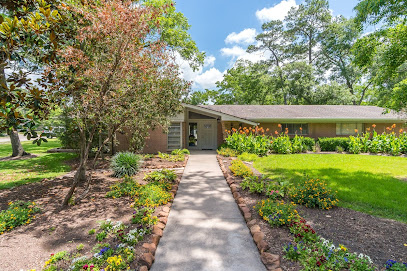
Bay Area Recovery Center Womens Facility
Dickinson, TX
- Detox
- Residential
- MAT
Substance use treatment · Cognitive behavioral therapy · Substance abuse counseling
Accepts: Cash or self-payment, Medicaid, State-financed health insurance plan other than Medicaid
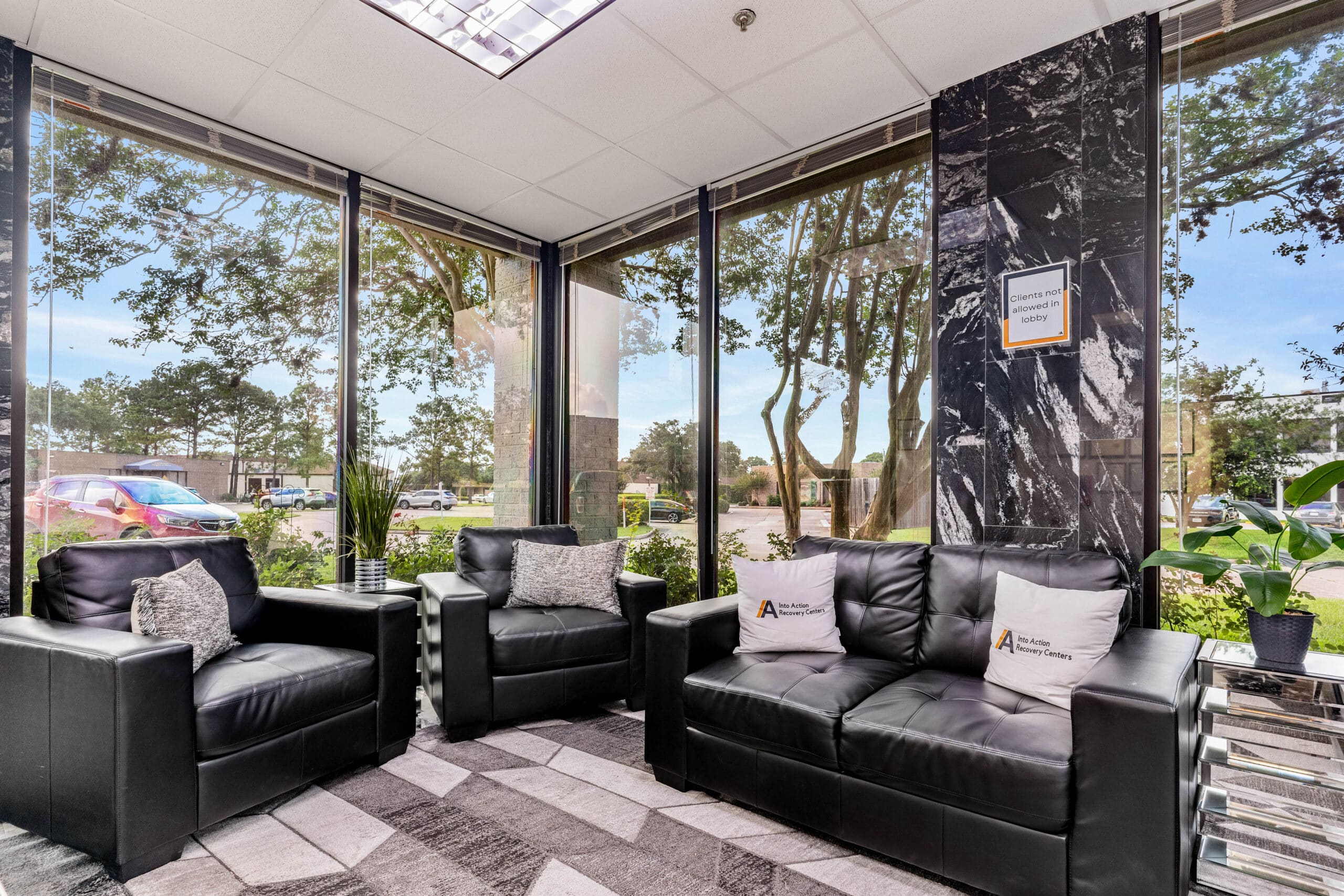
Into Action Recovery Center Inc Outpatient
Houston, TX
- PHP
- IOP
- MAT
- Sober Living
Substance use treatment · Cognitive behavioral therapy · Dialectical behavior therapy
Accepts: Cash or self-payment, Private health insurance, Military insurance
Bay Area Recovery Center
Houston, TX
- IOP
Substance use treatment · Accepts clients on opioid medication but prescribed elsewhere · Cognitive behavioral therapy
Accepts: Cash or self-payment, Medicaid, State-financed health insurance plan other than Medicaid