


At a Glance
Location
201 Tabernacle Road, Black Mountain, NC 28711
Phone
828-257-6200Primary Focus
Treatment Settings
Treatment Approaches
Special Programs
About JFK Alcohol and Drug Abuse Trt Ctr
JFK Alcohol and Drug Abuse Treatment Center operates as a state-run addiction treatment facility in Black Mountain, North Carolina, providing comprehensive care from medical detox through residential treatment and outpatient programs. This recovery center serves diverse populations including veterans, pregnant women, and individuals with co-occurring disorders across Western North Carolina.
JFK Alcohol and Drug Abuse Treatment Center stands as a state-operated rehab facility nestled in Black Mountain, North Carolina, serving the broader Western North Carolina recovery community. As a Joint Commission-accredited treatment center with 24-hour care capabilities, this facility provides a comprehensive continuum from medical detox through long-term recovery support for individuals facing substance use disorders. The center operates with an Opioid Treatment Program certification, positioning it as a specialized resource for opioid addiction treatment within the regional recovery network.
The treatment center offers a full spectrum of addiction treatment services designed for long-term recovery success. Medical detox services provide the foundation for safe withdrawal management, followed by residential treatment programs that create intensive therapeutic environments. Their outpatient program extends care into the community, allowing individuals to maintain recovery while rebuilding their lives. Aftercare support ensures ongoing connection to the recovery community beyond initial treatment phases.
Treatment approaches center on proven therapeutic methods including Cognitive Behavioral Therapy and medication-assisted treatment for substance abuse treatment. The facility addresses complex conditions including alcohol use disorder, opioid use disorder, co-occurring mental health disorders, and trauma-related issues. This dual-diagnosis capability makes the center particularly valuable for individuals whose addiction intertwines with mental health challenges or traumatic experiences.
The recovery center serves an exceptionally diverse population, welcoming veterans, pregnant women, young adults, seniors, and individuals who are deaf or hard of hearing. Court-ordered clients find specialized programming alongside voluntary participants seeking recovery. Multiple insurance options including Medicaid, Medicare, TRICARE, and private insurance ensure accessibility across economic backgrounds. This state-operated facility's commitment to serving Western North Carolina's most vulnerable populations while maintaining Joint Commission standards creates a unique resource within the regional addiction treatment landscape.
Medical Detox and Residential Treatment Programs
JFK Alcohol and Drug Abuse Treatment Center provides medically supervised detox services as the critical first step in the recovery process. The facility's 24-hour medical care ensures safe withdrawal management for individuals beginning their recovery journey. This medical detox foundation supports the transition into residential treatment, where clients engage in intensive therapeutic programming within a structured recovery environment.
The residential treatment program creates an immersive recovery experience that addresses the complex nature of substance use disorders. With Joint Commission accreditation, the program maintains rigorous quality standards while serving diverse populations throughout Western North Carolina. The combination of medical oversight and therapeutic intervention provides the stability needed for early recovery success.
Outpatient Programs and Aftercare Support
Following residential treatment, the center's outpatient program allows individuals to continue recovery while reintegrating into their communities. This level of care provides ongoing therapeutic support while clients rebuild relationships, pursue employment, and establish new routines in recovery. The outpatient approach recognizes that sustainable recovery requires continued professional support even as independence increases.
Aftercare support extends the recovery center's commitment beyond formal treatment completion. These services help alumni maintain connections to the recovery community and access ongoing resources when challenges arise. The aftercare component reflects the center's understanding that recovery is a long-term process requiring sustained support networks.
Specialized Treatment for Diverse Populations
The treatment center serves an unusually broad range of populations, making it a vital resource for Western North Carolina's recovery community. Veterans receive specialized programming that addresses military-specific trauma and addiction issues, while pregnant women access care designed for their unique medical and recovery needs. Young adults aged 18-25 benefit from age-appropriate programming, and seniors receive treatment tailored to later-life addiction challenges.
Accessibility remains a cornerstone of the center's mission, with services for deaf and hard of hearing individuals and comprehensive dual-diagnosis treatment for co-occurring mental health disorders. Court-ordered clients receive the same quality care as voluntary participants, ensuring that legal involvement doesn't compromise treatment effectiveness. This inclusive approach creates a diverse recovery community where individuals learn from varied experiences and perspectives.
Treatment Approaches and Clinical Excellence
Clinical programming combines Cognitive Behavioral Therapy with medication-assisted treatment to address both the psychological and physiological aspects of addiction. The center's Opioid Treatment Program certification enables comprehensive opioid addiction treatment, including clinical medications that support long-term recovery. These therapeutic approaches target not just substance use but underlying trauma, co-occurring disorders, and behavioral patterns that contribute to addiction.
The facility treats complex conditions including alcohol use disorder, opioid addiction, dual-diagnosis presentations, trauma-related disorders, and HIV/AIDS-related complications. This clinical breadth ensures that individuals with multiple challenges receive integrated care rather than fragmented services. Joint Commission accreditation validates the center's commitment to clinical excellence and continuous quality improvement in addiction treatment delivery.
Why Choose JFK Alcohol and Drug Abuse Trt Ctr
- State-operated facility with Joint Commission accreditation ensuring quality standards and accessibility
- Certified Opioid Treatment Program with medication-assisted treatment capabilities
- Comprehensive services for pregnant women and specialized veteran treatment programs
- 24-hour medical care with full detox, residential, and outpatient continuum
- Dedicated programming for deaf and hard of hearing individuals in recovery
Frequently Asked Questions
What levels of care does JFK Treatment Center provide for long-term recovery?
The center offers a complete continuum including medical detox, residential treatment, and outpatient programs. Aftercare support extends beyond formal treatment to help maintain long-term recovery connections. This comprehensive approach allows individuals to progress through different care levels as their recovery strengthens.
Does the facility serve veterans and other specialized populations?
Yes, JFK Treatment Center specifically serves veterans, pregnant women, young adults, seniors, and individuals who are deaf or hard of hearing. The facility also provides specialized programming for those with co-occurring disorders and trauma-related issues. This diverse population focus creates a rich recovery community environment.
What makes this recovery center different from private treatment facilities?
As a state-operated facility with Joint Commission accreditation, the center combines public accessibility with rigorous quality standards. The facility operates 24 hours daily and accepts Medicaid, Medicare, TRICARE, and various insurance types. This combination ensures quality care remains accessible regardless of financial circumstances.
What therapeutic approaches are used in treatment programs?
The center utilizes Cognitive Behavioral Therapy and medication-assisted treatment as primary therapeutic methods. As a certified Opioid Treatment Program, they provide specialized medication-assisted treatment for opioid addiction. Treatment addresses substance use disorders, trauma, and co-occurring mental health conditions comprehensively.
How does the outpatient program support ongoing recovery?
The outpatient program allows continued therapeutic engagement while individuals rebuild their lives in the community. This level of care maintains recovery support while promoting independence and community reintegration. Combined with aftercare services, it provides long-term recovery community connections.
What areas of North Carolina does the treatment center serve?
JFK Treatment Center serves Black Mountain, Buncombe County, and the broader Western North Carolina region. The facility accepts both voluntary admissions and court-ordered clients from throughout the service area. Multiple insurance acceptance and state operation ensure regional accessibility for addiction treatment.
Are detox services available for different types of substance use?
The facility provides medical detox services with 24-hour medical supervision for safe withdrawal management. They treat alcohol use disorder, opioid use disorder, and various substance abuse conditions. The Opioid Treatment Program certification specifically supports comprehensive opioid addiction treatment including detox services.
What insurance and payment options are accepted?
The center accepts Medicaid, Medicare, private insurance, TRICARE, state insurance, and self-pay options. This broad payment acceptance reflects the state-operated facility's commitment to accessibility. Multiple insurance options ensure that financial barriers don't prevent access to quality addiction treatment.
Nearby Treatment Centers
Swain Recovery Center Insight Human Services
Black Mountain, NC
- Residential
- MAT
Substance use treatment · Accepts clients on opioid medication but prescribed elsewhere · Cognitive behavioral therapy
Accepts: Cash or self-payment, Medicaid, State-financed health insurance plan other than Medicaid
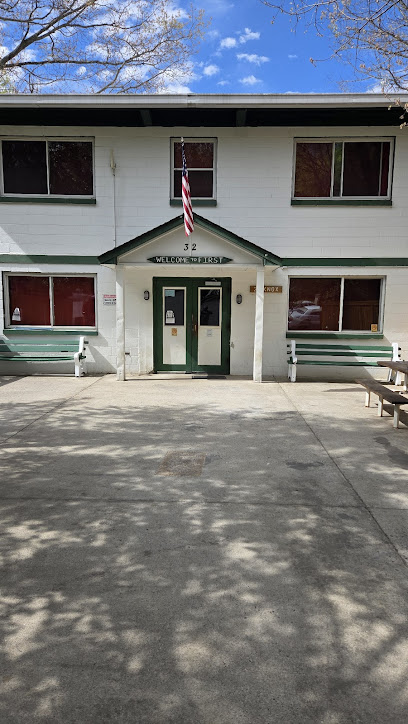
FIRST at Blue Ridge Inc
Ridgecrest, NC
- Residential
- MAT
- Sober Living
Substance use treatment · Accepts clients on opioid medication but prescribed elsewhere · Cognitive behavioral therapy
Accepts: Cash or self-payment, Payment assistance
SUWS of the Carolinas
Old Fort, NC
- Residential
Substance use treatment · Does not use medication for opioid addiction · Cognitive behavioral therapy
Accepts: Cash or self-payment, Military families

Charles George VAMC/Asheville Substance Abuse Treatment Program
Asheville, NC
- Detox
- Residential
- Outpatient
- MAT
Substance use treatment · Cognitive behavioral therapy · Dialectical behavior therapy
Accepts: Cash or self-payment, Medicare, Private health insurance

Insight Human Services Womens Recovery Center
Asheville, NC
- PHP
- Outpatient
Substance use treatment · Accepts clients on opioid medication but prescribed elsewhere · Cognitive behavioral therapy
Accepts: Cash or self-payment, Medicaid, State-financed health insurance plan other than Medicaid

October Road Inc
Asheville, NC
- PHP
- IOP
- MAT
- Sober Living
Substance use treatment · Cognitive behavioral therapy · Dialectical behavior therapy
Accepts: Cash or self-payment, Medicaid, Medicare