


At a Glance
Location
8571 East Tanque Verde Road, Tucson, AZ 85749
Phone
520-721-1887Primary Focus
Treatment Settings
Treatment Approaches
Special Programs
About Intermountain Centers for Human Development
Intermountain Centers for Human Development is a CARF-accredited, Arizona-based nonprofit healthcare system offering residential treatment and outpatient programs in Tucson. Specializing in co-occurring disorders, dual diagnosis, and trauma, the organization serves adolescents navigating substance use challenges alongside mental health needs. Medicaid, Medicare, TRICARE, and private insurance are accepted.
Intermountain Centers for Human Development is a nonprofit healthcare system rooted in Arizona and operating out of Tucson in Pima County. Accredited by CARF, the organization functions as a statewide family of subsidiary organizations committed to making a measurable difference in the lives of those affected by substance use and behavioral health challenges. Its nonprofit foundation and community-service orientation set it apart from commercially driven providers — this is an organization built around public mission, not profit margins.
The center offers two primary levels of care: residential treatment and an outpatient program. Residential treatment provides a structured, live-in setting for individuals who need consistent support and distance from their day-to-day environment during early and ongoing recovery. The outpatient program extends that continuum, allowing participants to maintain responsibilities at home, school, or work while staying actively engaged in their recovery. Together, these two levels create a pathway that can carry someone from intensive care into sustained, community-connected sobriety.
Clinically, Intermountain Centers applies Cognitive Behavioral Therapy (CBT) as a core therapeutic method — a well-researched approach that helps individuals identify and reshape the thought patterns that drive substance use behaviors. The organization specifically addresses co-occurring disorders and dual diagnosis, recognizing that trauma and PTSD frequently intersect with addiction in ways that require integrated, not siloed, care. Treating both conditions together rather than separately is central to how this center approaches recovery.
Intermountain Centers serves adolescents, making it a meaningful option for families seeking age-appropriate substance abuse treatment for a young person. Payment flexibility is broad: Medicaid, Medicare, TRICARE, state insurance, private insurance, and self-pay are all accepted, reducing financial barriers for families across a wide range of circumstances. For those evaluating a long-term recovery partner for a teenager dealing with trauma, dual diagnosis, or substance use, Intermountain Centers offers accredited, mission-driven care in Tucson.
Residential Treatment and Outpatient Programs in Tucson
Intermountain Centers for Human Development offers two distinct levels of care designed to meet individuals at different points in their recovery. Residential treatment immerses participants in a structured environment where recovery is the full focus — removed from the triggers and pressures of everyday life. This level of care is particularly suited to adolescents who need consistent clinical support and a stable setting while working through substance use and underlying mental health challenges.
The outpatient program extends the recovery relationship beyond residential care, giving participants a way to stay connected to treatment while re-engaging with their families, schools, and communities. This continuum — from residential to outpatient — reflects a recovery model that thinks beyond the acute phase and plans for what comes next. For families planning a young person's recovery, having both options under one accredited organization simplifies the transition and maintains continuity of care.
Dual Diagnosis and Trauma-Focused Care for Adolescents
A core specialty at Intermountain Centers is the treatment of co-occurring disorders — situations where substance use and a mental health condition such as trauma or PTSD are present at the same time. For adolescents, these issues rarely arrive separately. Unaddressed trauma frequently underlies substance use, and treating only one without the other leaves the root causes intact. Intermountain Centers addresses both through an integrated clinical framework anchored in Cognitive Behavioral Therapy (CBT).
CBT helps young people understand the connections between their thoughts, emotions, and behaviors — practical skills that support long-term recovery rather than just short-term stabilization. By combining dual diagnosis treatment with a trauma-informed clinical lens, the center is designed for families who need more than a single-issue program. This focus on the whole clinical picture is what distinguishes Intermountain Centers within the Tucson recovery community.
Insurance, Payment, and Access in Tucson
Financial barriers are among the most common reasons families delay or avoid seeking addiction treatment for a young person. Intermountain Centers accepts a broad range of payment options — including Medicaid, Medicare, TRICARE, state insurance, private insurance, and self-pay — making its programs accessible to families across a wide range of financial situations. Military families in particular will find TRICARE acceptance noteworthy, as covered behavioral health treatment for adolescents can be difficult to locate.
The center operates Monday through Friday, 8:30 a.m. to 5:00 p.m., and can be reached directly at (520) 721-1887. As a CARF-accredited nonprofit, Intermountain Centers has met externally reviewed standards for quality and accountability — an important consideration when selecting a long-term recovery partner for a family member.
Why Families Choose Intermountain Centers for Adolescent Substance Abuse Treatment
Choosing a recovery center for an adolescent means evaluating factors that go well beyond geography. Intermountain Centers brings together CARF accreditation, a nonprofit mission, and clinical specialization in dual diagnosis and trauma — a combination that is specifically relevant for young people whose substance use is entangled with mental health challenges. The organization's statewide presence across Arizona reflects an infrastructure built for community reach, not just a single-location operation.
For families in Tucson and the surrounding Pima County area, Intermountain Centers represents an established, accountable option for adolescent residential treatment and outpatient substance abuse treatment. The breadth of accepted insurance — including public coverage through Medicaid and Medicare — means that the decision about treatment does not have to hinge solely on financial resources. When the goal is lasting recovery for a young person, this center offers the clinical depth and accessibility to serve as a genuine long-term partner.
Why Choose Intermountain Centers for Human Development
- Statewide Arizona nonprofit healthcare system — mission-driven, not profit-driven
- CARF accreditation signals independently verified quality standards
- Specialized focus on adolescents with co-occurring disorders and trauma/PTSD
- Both residential treatment and outpatient programs available, supporting the full recovery continuum
- Accepts Medicaid, Medicare, TRICARE, state insurance, private insurance, and self-pay
Frequently Asked Questions
What levels of care does Intermountain Centers offer for adolescent recovery?
Intermountain Centers offers two primary levels of care: residential treatment and an outpatient program. Residential treatment provides a structured, live-in setting for intensive support, while the outpatient program allows participants to continue family and community commitments while remaining engaged in treatment. Having both levels within one accredited organization supports a smoother transition through different stages of recovery.
Does Intermountain Centers treat co-occurring mental health conditions alongside substance use?
Yes. Co-occurring disorders and dual diagnosis are confirmed areas of clinical focus at Intermountain Centers. The organization also specifically addresses trauma and PTSD, which frequently intersect with substance use in adolescent populations. Treating both conditions together is central to the center's clinical approach.
What therapeutic methods are used at Intermountain Centers?
Cognitive Behavioral Therapy (CBT) is confirmed as a core therapeutic method at Intermountain Centers. CBT helps individuals recognize and change the thought patterns that contribute to substance use, making it a practical tool for long-term recovery. This approach is particularly well-suited to adolescents learning to manage co-occurring mental health challenges alongside addiction.
Who does Intermountain Centers serve?
Intermountain Centers specifically serves adolescents in its substance use treatment programs. The center is designed to address the unique clinical and developmental needs of young people, including co-occurring disorders, trauma, and PTSD. Families seeking age-appropriate addiction treatment for a teenager will find the programming tailored to that population.
Is Intermountain Centers accredited?
Yes. Intermountain Centers holds CARF accreditation, which reflects an independent review of the organization's quality standards and operational practices. CARF accreditation is a meaningful benchmark for families evaluating treatment options and looking for accountability in a long-term recovery partner.
What insurance does Intermountain Centers accept?
The center accepts Medicaid, Medicare, TRICARE, state insurance, private insurance, and self-pay. This range of payment options makes the programs accessible to a broad population, including military families covered by TRICARE and individuals relying on public insurance programs. Families are encouraged to call (520) 721-1887 to discuss their specific coverage.
Does Intermountain Centers accept TRICARE for military families?
Yes, TRICARE is among the confirmed accepted payment methods at Intermountain Centers. This makes the center a viable option for military families seeking adolescent substance abuse treatment and dual diagnosis care in the Tucson area.
Where is Intermountain Centers located?
Intermountain Centers for Human Development is based in Tucson, Arizona, in Pima County. The organization operates as a statewide Arizona nonprofit healthcare system. Office hours are Monday through Friday, 8:30 a.m. to 5:00 p.m., and the center can be reached at (520) 721-1887.
What makes Intermountain Centers different from other addiction treatment centers in Tucson?
Intermountain Centers is a CARF-accredited nonprofit system with a specific focus on adolescents, co-occurring disorders, trauma, and PTSD — a combination that distinguishes it from general adult-focused treatment providers. Its nonprofit mission, integrated dual diagnosis approach, and broad insurance acceptance — including Medicaid, Medicare, and TRICARE — make it a distinct option for families planning long-term recovery for a young person.
How can I contact Intermountain Centers to learn more or start the admissions process?
Intermountain Centers can be reached by phone at (520) 721-1887 during regular office hours, Monday through Friday from 8:30 a.m. to 5:00 p.m. Additional information about the organization and its programs is available at intermountaincenters.org.
Nearby Treatment Centers
Intermountain Centers for Human Development
Tucson, AZ
- Residential
Substance use treatment · Does not treat opioid addiction · Cognitive behavioral therapy
Accepts: Cash or self-payment, Medicaid, Private health insurance

Americas Rehab Campuses
Tucson, AZ
- Detox
- Residential
- PHP
- IOP
Substance use treatment · Cognitive behavioral therapy · Dialectical behavior therapy
Accepts: Cash or self-payment, Medicaid, Medicare

Amity Foundation Circle Tree Ranch
Tucson, AZ
- Residential
Substance use treatment · Accepts clients on opioid medication but prescribed elsewhere · Cognitive behavioral therapy
Accepts: Cash or self-payment, Medicaid, Medicare
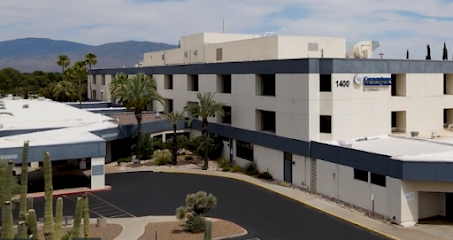
Cornerstone Behavioral Health El Dorado
Tucson, AZ
- Detox
- MAT
Substance use treatment · Cognitive behavioral therapy · Dialectical behavior therapy
Accepts: Cash or self-payment, Medicaid, Medicare
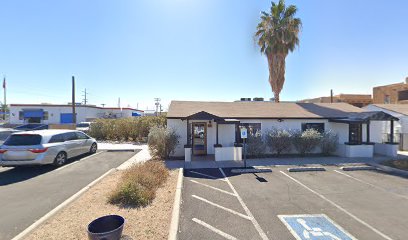
In Balance Counseling Inc
Tucson, AZ
- IOP
Substance use treatment · Does not use medication for opioid addiction · Cognitive behavioral therapy
Accepts: Cash or self-payment, Private health insurance
Pathways of Arizona LLC
Tucson, AZ
- Outpatient
- MAT
Substance use treatment · Accepts clients on opioid medication but prescribed elsewhere · Cognitive behavioral therapy
Accepts: Cash or self-payment, Medicaid, Medicare