

At a Glance
Location
13400 Edgemeade Road, Upper Marlboro, MD 20772
Phone
240-681-6000 x1202Primary Focus
Treatment Settings
Treatment Approaches
Special Programs
About IAFF Center of Excellence for Behavioral Health Trt and Recovery
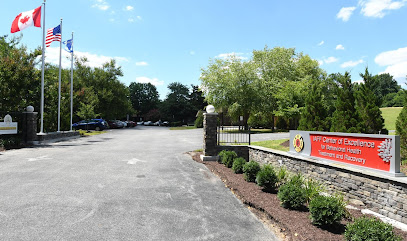
The IAFF Center of Excellence for Behavioral Health Treatment and Recovery is a residential addiction treatment and behavioral health facility in Upper Marlboro, MD, built exclusively for firefighters, emergency medical workers, dispatchers, and IAFF members. Set on a 15-acre campus surrounded by pine forest, the center addresses substance abuse, co-occurring disorders, PTSD, depression, anxiety, and complicated grief within a recovery community designed around the unique culture of first responders.
Located at 13400 Edgemeade Road in Upper Marlboro, Maryland, the IAFF Center of Excellence for Behavioral Health Treatment and Recovery is a residential recovery center operated specifically for the first responder community. Prince George's County provides a quiet, wooded setting that separates the recovery experience from the operational intensity that IAFF members and emergency medical workers live with daily. The center sits on a 15-acre campus bordered by a lush pine forest, with dedicated onsite areas for reflection that give residents space to process the psychological weight that comes with careers in emergency services.
Residential Recovery Built Around the First Responder Experience
The IAFF Center of Excellence for Behavioral Health Treatment and Recovery takes a different starting point than most residential treatment programs. Rather than adapting a standard addiction treatment model for first responders, the center was purpose-built for firefighters, emergency medical workers, dispatchers, and IAFF members — people whose professional environment creates a specific and well-documented set of behavioral health risks. Substance abuse, PTSD, depression, anxiety, complicated grief, and co-occurring disorders are all addressed within this residential program, recognizing that these conditions rarely appear in isolation for this population.
Residential treatment means residents remain on campus in a sustained recovery environment throughout the program, not checking in for a few hours and returning to the stressors that contributed to their condition. The center operates around the clock, seven days a week, on a 15-acre campus in Upper Marlboro, Maryland — far enough from the noise and trauma triggers of active duty to create genuine space for recovery, while remaining accessible to families and IAFF support networks across the region.
Group Therapy, clinical Treatment, and Aftercare for Long-Term Recovery
Recovery for first responders does not end at discharge. The IAFF Center of Excellence reflects this reality by pairing residential treatment with a structured aftercare program, extending clinical support into the post-residential phase where relapse risk remains significant. The center's treatment framework draws on clinical therapies and group therapy — an approach that resonates particularly well with a population built around crew culture, mutual accountability, and shared experience under pressure.
Group therapy in a setting where every participant has worn a uniform and responded to calls creates a different dynamic than mixed-population group settings. The common ground is immediate and credible, which research consistently associates with stronger engagement and better long-term recovery outcomes. The facility's gym, pine forest setting, and onsite reflection areas further support the recovery process by giving residents structured physical and contemplative outlets alongside their clinical work.
Conditions Treated: Substance Abuse and Behavioral Health Together
First responders present with a behavioral health profile that demands more than substance abuse treatment alone. The IAFF Center of Excellence is equipped to treat substance abuse and alcoholism alongside PTSD, depression, anxiety, complicated grief, co-occurring disorders, and broader behavioral health issues — all under one residential roof. This integrated approach matters because treating addiction in isolation, without addressing the underlying trauma or mood disorders common in emergency services careers, leaves significant gaps in the recovery foundation.
Co-occurring disorder treatment within a residential setting allows clinical teams to address multiple conditions simultaneously rather than sequentially, which is especially important for first responders who may carry years of unprocessed occupational trauma alongside their substance use history. The center's population specificity means that clinical programming, peer dynamics, and the overall recovery community are calibrated to this reality rather than adapted from a more general treatment model.
Choosing a Recovery Center as a Long-Term Partner
Selecting a residential treatment program is one of the most consequential decisions a first responder — or their family — will make. The IAFF Center of Excellence is positioned not just as a place to stabilize, but as a recovery partner with an aftercare program designed to sustain the work done during the residential phase. For IAFF members evaluating their options, the center's exclusive focus on the first responder community means that the treatment environment, the peer group, and the clinical priorities are all aligned with the specific challenges of emergency services life.
The center can be reached directly at (855) 900-8437, and is located at 13400 Edgemeade Road, Upper Marlboro, MD 20772. Medical records inquiries can be directed to [email protected]. The facility operates 24 hours a day, every day of the week, ensuring that admission support is available whenever a first responder or their family is ready to take the next step in the recovery process.
Why Choose IAFF Center of Excellence for Behavioral Health Trt and Recovery
- Built exclusively for IAFF members, firefighters, emergency medical workers, and dispatchers — not a generalist recovery center adapted for first responders
- Treats co-occurring disorders alongside substance abuse, including PTSD, complicated grief, depression, and anxiety — conditions that are disproportionately common in emergency services careers
- 15-acre campus with pine forest surroundings and onsite reflection areas designed to support the mental decompression that first responders need during residential recovery
- Structured aftercare program that extends the recovery relationship beyond residential discharge, addressing the long-term recovery needs of a high-risk professional population
- 24/7 residential operations with peer-based group therapy that leverages the team-oriented culture first responders already live by
Frequently Asked Questions
Who is the IAFF Center of Excellence designed to serve?
The center serves firefighters, emergency medical workers, dispatchers, and IAFF members. It is a purpose-built residential recovery facility for first responders, not a general addiction treatment program. This population specificity shapes the peer environment, the clinical priorities, and the overall recovery community at the center.
What conditions are treated at the IAFF Center of Excellence?
The center treats substance abuse, alcoholism, PTSD, depression, anxiety, complicated grief, co-occurring disorders, and broader behavioral health issues. Treating these conditions together within a residential setting is central to the program, given how frequently they appear alongside one another in first responder populations.
What type of treatment program does the center offer?
The IAFF Center of Excellence is a residential treatment facility, meaning residents live on campus throughout their program. This immersive level of care is designed for individuals who benefit from sustained distance from daily stressors and a structured, peer-supported recovery environment.
Does the center offer support after residential treatment ends?
Yes. The center provides an aftercare program for residents completing the residential phase. Aftercare is an important part of long-term recovery, particularly for first responders who return to high-stress professional environments after treatment.
What therapeutic approaches are used at the IAFF Center?
The center's confirmed treatment methods include clinical therapies and group therapy. Group therapy is especially well-suited to a population with strong peer culture, allowing residents to draw on shared first responder experience as part of the recovery process.
Where is the IAFF Center of Excellence located?
The center is located at 13400 Edgemeade Road in Upper Marlboro, Maryland, within Prince George's County. It sits on a 15-acre campus with a lush pine forest and onsite areas for reflection, providing a setting removed from the operational environment of active emergency services work.
What does the 15-acre campus include?
The campus features a gym, a lush pine forest setting, and onsite areas designed for reflection and contemplation. These physical elements support the recovery process alongside clinical treatment, giving residents space for both physical activity and mental decompression.
What hours does the IAFF Center of Excellence operate?
The facility operates 24 hours a day, seven days a week. This means admission support and residential care are available at any time, which is particularly important for first responders and families navigating the decision to seek treatment.
How can I contact the IAFF Center of Excellence?
The center can be reached by phone at (855) 900-8437. Medical records inquiries should be directed to [email protected]. More information is available at iaffrecoverycenter.com.
Why is a first responder-specific residential program different from a general rehab?
First responders face a distinct set of occupational stressors, trauma exposures, and cultural norms that shape both how behavioral health conditions develop and how treatment is received. A program built exclusively for this population means that peers, programming, and clinical emphasis all reflect the realities of emergency services life — rather than requiring first responders to navigate recovery in a setting designed for a general population.
Nearby Treatment Centers
CARE Consultants LLC Outpatient Treatment Services
Clinton, MD
- IOP
Substance use treatment · Does not treat opioid addiction · Cognitive behavioral therapy
Accepts: Cash or self-payment, Medicaid, State-financed health insurance plan other than Medicaid
Bridging the Gap Services
Clinton, MD
- Detox
- IOP
- MAT
- Sober Living
Substance use treatment · Cognitive behavioral therapy · Substance abuse counseling
Accepts: Cash or self-payment, Medicaid, Medicare
Open ARMMS Inc
Waldorf, MD
- Detox
- Outpatient
- MAT
Substance use treatment · All Clients in Opioid Treatment Program · SAMHSA-certified Opioid Treatment Program
Accepts: Cash or self-payment, Medicaid, Medicare
Project Chesapeake
Waldorf, MD
- IOP
- MAT
Substance use treatment · Accepts clients on opioid medication but prescribed elsewhere · Cognitive behavioral therapy
Accepts: Cash or self-payment, Medicaid, Medicare
iMIND Behavioral Health
Suitland, MD
- IOP
Substance use treatment · Accepts clients on opioid medication but prescribed elsewhere · Cognitive behavioral therapy
Accepts: Cash or self-payment, Medicaid, Medicare
Pyramid Walden LLC Waldorf Outpatient
Waldorf, MD
- IOP
Substance use treatment · Accepts clients on opioid medication but prescribed elsewhere · All Clients in Opioid Treatment Program
Accepts: Cash or self-payment, Medicaid, Private health insurance