


At a Glance
Primary Focus
Treatment Settings
Treatment Approaches
About Human Resources Center of Edgar and Clark Counties
Human Resources Center, located in Marshall, IL, offers outpatient substance use treatment to adults in Clark County and the surrounding region, including specialized services for individuals who are Deaf or Hard of Hearing. Accredited by CARF and accepting Medicaid, private insurance, and sliding-scale payment, HRC provides structured outpatient care built around Cognitive Behavioral Therapy for people committed to long-term recovery.
Human Resources Center is a CARF-accredited substance use treatment facility based in Marshall, Illinois, serving the Clark County area with outpatient addiction treatment. Part of a broader human services organization that has long supported the quality of life of individuals across the region, HRC brings that same community-rooted commitment to its recovery services — making it a meaningful option for people seeking ongoing support rather than crisis-only care.
The center's primary level of care is an Outpatient Program, which allows individuals to engage in structured substance abuse treatment while maintaining their daily responsibilities at home, work, or school. This format is well-suited to people transitioning from a higher level of care, those building a sustainable recovery routine, or individuals whose needs are best addressed without residential placement. Outpatient programming can serve as both an entry point into recovery and a cornerstone of long-term aftercare planning.
Cognitive Behavioral Therapy (CBT) is the confirmed therapeutic foundation of care at HRC. CBT is a skills-based approach that helps individuals identify and change thought patterns and behaviors connected to substance use — practical work that supports lasting recovery rather than short-term stabilization. The center operates Monday and Wednesday from 8:00 AM to 7:00 PM, and Tuesday and Thursday from 8:00 AM to 5:00 PM, offering extended evening hours twice a week to accommodate working adults and families.
HRC is one of the few outpatient recovery centers in the region that explicitly serves individuals who are Deaf or Hard of Hearing, making it a distinctly accessible option within the substance abuse treatment landscape of central Illinois. Payment options include Medicaid, state insurance, private insurance, self-pay, and a sliding-scale fee structure — removing common financial barriers to consistent, community-based care. For individuals building a recovery life in Marshall and Clark County, HRC represents a grounded, accessible, and specialized choice.
Outpatient Recovery Care in Marshall, Illinois
Human Resources Center offers outpatient substance abuse treatment in Marshall, IL — a level of care that fits people who are actively building recovery into everyday life. Rather than requiring a residential stay, the outpatient program allows participants to remain connected to their home, family, and work while engaging in consistent, structured treatment. This model is a strong fit for individuals stepping down from residential treatment, those entering recovery for the first time with moderate-level needs, or anyone committed to maintaining sobriety with professional support.
HRC's outpatient schedule includes evening hours on Mondays and Wednesdays until 7:00 PM, making it genuinely accessible for adults who work standard hours. The center is CARF-accredited, meaning its outpatient program has met independently evaluated standards for quality and effectiveness — a meaningful marker for individuals and families doing careful research into long-term recovery options.
Cognitive Behavioral Therapy as a Foundation for Lasting Recovery
At HRC, Cognitive Behavioral Therapy (CBT) anchors the clinical work of the outpatient program. CBT focuses on identifying the connections between thoughts, feelings, and behaviors — equipping people in recovery with practical tools to recognize triggers, challenge harmful patterns, and build healthier responses over time. This approach is well-matched to outpatient recovery, where the work done in sessions needs to translate directly into daily life outside the treatment setting.
For individuals in the recovery community who are weighing their options, the structured nature of CBT-based outpatient care offers something concrete: teachable skills that continue to be useful long after formal treatment ends. It is an approach oriented toward self-efficacy and long-term sustainability, not just symptom management.
Accessible Substance Use Treatment for the Deaf and Hard of Hearing Community
One of HRC's most specific and notable commitments is its service to individuals who are Deaf or Hard of Hearing. Access to addiction treatment and recovery support is already a challenge for many people; for members of the Deaf and Hard of Hearing community, that challenge is compounded by communication barriers that many treatment centers simply do not address. HRC's explicit inclusion of this population marks it as a genuinely inclusive outpatient recovery center in the central Illinois region.
For Deaf or Hard of Hearing individuals — and for family members supporting a loved one in this population — finding a recovery program that recognizes and accommodates communication needs is a critical part of choosing the right long-term treatment partner. HRC's confirmation of this population in its served groups signals a meaningful operational commitment, not just a general statement of welcome.
Payment Options and Financial Access at HRC
Human Resources Center accepts a broad range of payment methods for its outpatient substance abuse treatment program, including Medicaid, state insurance, private insurance, self-pay or cash, and a sliding-scale fee structure. This range of options reflects an understanding that financial barriers are among the most common reasons people delay or avoid seeking addiction treatment — and that a recovery center genuinely committed to community access needs to meet people where they are financially.
For individuals and families evaluating outpatient programs in Clark County and central Illinois, the sliding-scale option in particular can make consistent, ongoing participation in recovery programming realistic rather than aspirational. Stable, sustained engagement with outpatient care is one of the strongest predictors of long-term recovery success, and HRC's payment flexibility supports exactly that kind of continuity.
Why Choose Human Resources Center of Edgar and Clark Counties
- Explicitly serves individuals who are Deaf or Hard of Hearing — a rare and important distinction among outpatient recovery programs in central Illinois
- CARF accreditation signals a verified standard of care quality for people evaluating long-term recovery partners
- Extended evening hours on Mondays and Wednesdays make consistent outpatient attendance possible for working adults
- Sliding-scale and Medicaid payment options reduce financial barriers for individuals and families navigating the cost of ongoing treatment
- CBT-grounded outpatient programming supports the skill-building and relapse-prevention work that sustains recovery beyond initial stabilization
Frequently Asked Questions
What level of care does Human Resources Center offer for addiction treatment?
HRC offers an Outpatient Program for substance use treatment. This level of care is designed for individuals who can benefit from structured, professional recovery support while continuing to live at home and manage daily responsibilities. It is a common choice for people entering recovery, stepping down from residential treatment, or maintaining long-term sobriety with ongoing professional support.
Is Human Resources Center accredited?
Yes. HRC holds CARF accreditation, which is an independent, internationally recognized standard for health and human services organizations. CARF accreditation signals that the program has met rigorous standards for quality of care — an important consideration for anyone selecting a long-term recovery partner.
Does HRC accept Medicaid for outpatient substance abuse treatment?
Yes. Human Resources Center accepts Medicaid as a payment method for its outpatient program. The center also accepts state insurance, private insurance, self-pay or cash, and offers a sliding-scale fee structure for those who qualify.
Does Human Resources Center serve individuals who are Deaf or Hard of Hearing?
Yes. HRC explicitly serves individuals who are Deaf or Hard of Hearing, making it one of the few outpatient substance abuse treatment programs in the region to directly address the needs of this population. This is a confirmed aspect of the populations the center serves.
What therapeutic approach does HRC use in its outpatient program?
Cognitive Behavioral Therapy (CBT) is the confirmed therapeutic method used at HRC. CBT is a structured, skills-based approach that helps individuals understand and change the thought patterns and behaviors associated with substance use, building practical tools that support recovery in everyday life.
What are the hours of operation for HRC's outpatient program?
HRC is open Monday and Wednesday from 8:00 AM to 7:00 PM, and Tuesday and Thursday from 8:00 AM to 5:00 PM. The extended evening hours on Mondays and Wednesdays make it easier for working adults to participate consistently in outpatient treatment.
Is HRC's outpatient program a good fit for someone transitioning out of residential treatment?
Outpatient programs are a common and well-regarded step in the continuum of care following residential treatment. HRC's CBT-based outpatient program provides structured clinical support while allowing individuals to practice recovery skills in their home environment — a meaningful bridge between intensive treatment and fully independent recovery.
Where is Human Resources Center located?
HRC is located at 406 North 2nd Street in Marshall, Illinois 62441, in Clark County. The center can be reached by phone at (217) 826-6212, and more information is available at hrcec.org.
Does HRC offer a sliding-scale fee for substance abuse treatment?
Yes. HRC offers a sliding-scale payment option, which adjusts the cost of outpatient treatment based on an individual's ability to pay. This is one of several payment methods the center accepts, alongside Medicaid, state insurance, private insurance, and self-pay.
Nearby Treatment Centers
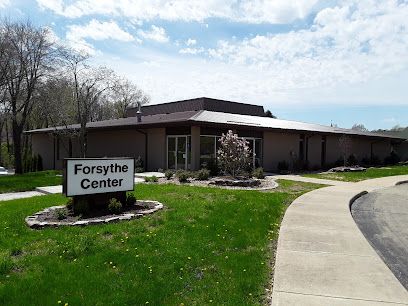
Human Resources Center of Edgar and Clark Counties/Forsythe Ctr
Marshall, IL
- IOP
Substance use treatment · Accepts clients on opioid medication but prescribed elsewhere · Cognitive behavioral therapy
Accepts: Cash or self-payment, Medicaid, Medicare
Human Resource Center of Edgar and Clark Counties/Life Center
Paris, IL
- IOP
Substance use treatment · Accepts clients on opioid medication but prescribed elsewhere · Cognitive behavioral therapy
Accepts: Cash or self-payment, Medicaid, Medicare
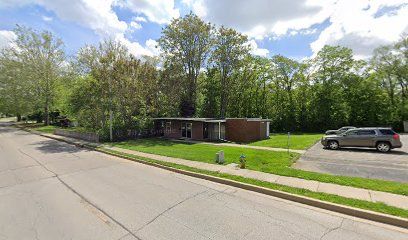
Central East Alc and Drug Council Womens Recovery Home
Charleston, IL
- IOP
- Sober Living
Substance use treatment · Accepts clients on opioid medication but prescribed elsewhere · Cognitive behavioral therapy
Accepts: Cash or self-payment, Medicaid, State-financed health insurance plan other than Medicaid
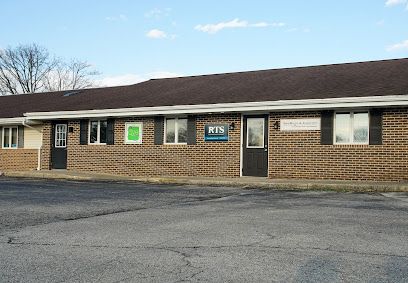
ABBCON Counseling
Charleston, IL
- IOP
Substance use treatment · Accepts clients on opioid medication but prescribed elsewhere · Cognitive behavioral therapy
Accepts: Cash or self-payment, Medicaid
Central East Alc and Drug Council Charleston Primary Outpatient Servs
Charleston, IL
- IOP
Substance use treatment · Accepts clients on opioid medication but prescribed elsewhere · Cognitive behavioral therapy
Accepts: Cash or self-payment, Medicaid, State-financed health insurance plan other than Medicaid
Central East Alc and Drug Council Womens Recovery Home
Charleston, IL
- IOP
- Sober Living
Substance use treatment · Accepts clients on opioid medication but prescribed elsewhere · Cognitive behavioral therapy
Accepts: Cash or self-payment, Medicaid, State-financed health insurance plan other than Medicaid