

At a Glance
Primary Focus
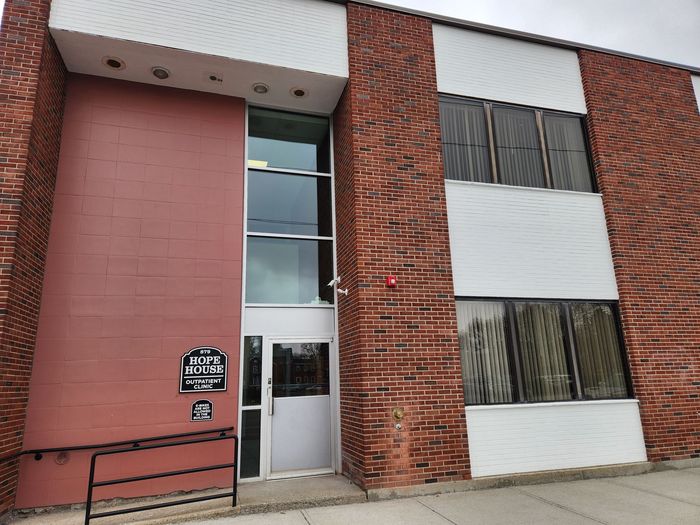
About Hudson Mohawk Recovery Center Inc Elizabeth House/Community Residence
Elizabeth House RRi is a residential treatment center in Troy, NY, offering structured, longer-term recovery support for women and young adults ages 18 to 25. Through Cognitive Behavioral Therapy and residential care, the program helps residents build the skills and stability needed for lasting sobriety. Medicaid, private insurance, and state insurance are accepted.
Elizabeth House RRi is a residential substance abuse treatment program located at 106-108 9th Street in Troy, New York, within Rensselaer County. Operated under the Hope House Inc. umbrella, the center focuses specifically on women and young adults navigating recovery — a population that benefits from a dedicated, gender-responsive residential environment rather than a generalized treatment setting. For individuals seeking more than a short-term intervention, Elizabeth House RRi represents a longer-term commitment to rebuilding life in recovery.
The program's core level of care is residential treatment, meaning residents live on-site and engage in a structured recovery program over an extended period. This immersive model distinguishes Elizabeth House RRi from outpatient-only programs, giving residents the continuity and daily support that early recovery often demands. Residential treatment here is designed for women and young adults who need more than periodic check-ins — they need a consistent recovery community around them.
Cognitive Behavioral Therapy (CBT) is the confirmed therapeutic method at Elizabeth House RRi. CBT is a well-established approach that helps residents identify and reshape the thought patterns that drive substance use. By grounding treatment in CBT, the program equips residents with practical, transferable coping skills they can carry into life after discharge — a critical component of any durable recovery plan.
Elizabeth House RRi serves two specific populations: women and young adults between the ages of 18 and 25. This focus allows the program to tailor its residential treatment environment to the real-world challenges these groups face during recovery. The center accepts Medicaid, private insurance, and state insurance, broadening access for those who might otherwise face financial barriers to residential care. Families and individuals can reach the center directly at (518) 482-4673 or by email at [email protected].
Residential Treatment for Women and Young Adults in Troy, NY
Elizabeth House RRi provides residential treatment in Troy, New York, specifically designed for women and young adults between the ages of 18 and 25. Rather than serving a broad, undifferentiated population, the program concentrates on two groups whose recovery needs often differ significantly from the general adult population. That focus shapes the residential environment, the peer community, and the day-to-day experience of recovery at the center.
Residential treatment means residents live at the facility while engaging in their recovery program — an immersive model that research consistently links to stronger outcomes for individuals who need sustained support early in sobriety. For young adults and women who may lack stable housing or a sober support network, this level of care can be the difference between early relapse and a durable foundation in recovery.
CBT as the Core of the Recovery Program
Cognitive Behavioral Therapy (CBT) is the confirmed therapeutic method at Elizabeth House RRi. In practice, CBT helps residents examine the connections between their thoughts, emotions, and behaviors — and begin to change patterns that have sustained substance use. It is a skills-based approach, which means the work residents do in treatment translates directly into tools they can use after they leave.
For the young adults and women at Elizabeth House RRi, building those transferable skills is central to what residential treatment offers. Recovery does not end at discharge, and a CBT-grounded program is oriented toward preparing residents for the longer arc of sober living, not just stabilization during their stay.
Payment Options and How to Connect
Elizabeth House RRi accepts Medicaid, private insurance, and state insurance, making residential addiction treatment accessible to a wider range of individuals and families. Financial concerns are one of the most common reasons people delay entering treatment, and the acceptance of multiple public and private insurance types helps lower that barrier for the populations the center serves.
To learn more about the residential program, eligibility, or the admissions process, prospective residents and their families can call (518) 482-4673 or reach out by email at [email protected]. Additional information is available through Hope House Inc. at hopehouseinc.org.
Why Elizabeth House RRi for Longer-Term Recovery
Choosing a residential treatment center is one of the most consequential decisions in a recovery journey. Elizabeth House RRi stands apart by maintaining a clear population focus — women and young adults ages 18 to 25 — rather than diluting its program across every demographic. That specificity allows the recovery community within the residence to be genuinely cohesive, with residents sharing common life stages and challenges.
Located in Troy, NY, within Rensselaer County, the center is positioned within a broader regional recovery landscape while offering the contained, community-oriented environment that residential treatment is built around. For individuals and families evaluating longer-term substance abuse treatment options in upstate New York, Elizabeth House RRi offers a targeted, CBT-grounded residential program with accessible insurance coverage.
Why Choose Hudson Mohawk Recovery Center Inc Elizabeth House/Community Residence
- Exclusively serves women and young adults (18-25), creating a focused recovery community rather than a one-size-fits-all program
- Residential treatment model provides the continuity of on-site daily support that longer-term recovery requires
- Cognitive Behavioral Therapy (CBT) is the therapeutic foundation, equipping residents with lasting coping skills beyond treatment
- Accepts Medicaid, private insurance, and state insurance — reducing financial barriers to residential care
- Part of the Hope House Inc. network in Troy, NY, connecting residents to an established local recovery infrastructure
Frequently Asked Questions
What level of care does Elizabeth House RRi offer?
Elizabeth House RRi provides residential treatment, meaning residents live at the facility while participating in their recovery program. This is a longer-term, immersive level of care designed for individuals who need sustained daily support during recovery. It is distinct from outpatient or day-program models.
Who does Elizabeth House RRi serve?
The program is specifically designed for two populations: women and young adults between the ages of 18 and 25. This focused approach allows the residential environment and peer community to be tailored to the shared experiences and recovery needs of those groups.
What therapy approach is used at Elizabeth House RRi?
Elizabeth House RRi uses Cognitive Behavioral Therapy (CBT) as its confirmed therapeutic method. CBT helps residents recognize and change thought patterns connected to substance use, building practical coping skills that support recovery well beyond the residential stay.
What insurance does Elizabeth House RRi accept?
The center accepts Medicaid, private insurance, and state insurance. These options help make residential substance abuse treatment accessible to women and young adults who might otherwise face financial barriers to longer-term care.
Where is Elizabeth House RRi located?
Elizabeth House RRi is located at 106-108 9th Street in Troy, New York, within Rensselaer County. The center operates under Hope House Inc., a Troy-based recovery organization.
How is residential treatment different from outpatient care for recovery?
Residential treatment requires residents to live at the facility throughout their program, providing continuous support and a structured recovery community. This differs from outpatient programs, where individuals attend treatment sessions and return home each day. For individuals early in recovery who need intensive, sustained support, residential treatment offers a more immersive environment.
How can I contact Elizabeth House RRi to inquire about the program?
You can reach Elizabeth House RRi by phone at (518) 482-4673 or by email at [email protected]. Additional information about Hope House Inc. and its programs is available at hopehouseinc.org.
Is Elizabeth House RRi appropriate for someone in early recovery who needs long-term support?
Yes. The residential treatment model at Elizabeth House RRi is designed for individuals who need more than short-term stabilization. By living on-site and engaging in CBT-based programming, residents can focus fully on building recovery skills in a structured, peer-supported environment — a strong fit for those beginning or deepening their longer-term recovery.
Does Elizabeth House RRi serve men?
Based on confirmed information, Elizabeth House RRi serves women and young adults ages 18 to 25. Prospective residents should contact the center directly at (518) 482-4673 to discuss eligibility and program fit.
Nearby Treatment Centers
Conifer Park Inc OTP 2
Troy, NY
- IOP
- MAT
Substance use treatment · SAMHSA-certified Opioid Treatment Program · Cognitive behavioral therapy
Accepts: Cash or self-payment, Medicaid, State-financed health insurance plan other than Medicaid
Conifer Park Inc Chemical Dependency Outpatient Clinic
Troy, NY
- IOP
- MAT
Substance use treatment · Accepts clients on opioid medication but prescribed elsewhere · Cognitive behavioral therapy
Accepts: Cash or self-payment, Medicaid, Medicare
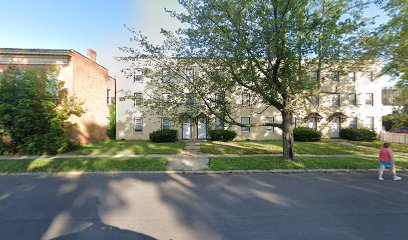
Hudson Mohawk Recovery Center Inc Troy Outpatient Clinic
Troy, NY
- IOP
- MAT
- Sober Living
Substance use treatment · Accepts clients on opioid medication but prescribed elsewhere · Cognitive behavioral therapy
Accepts: Cash or self-payment, Medicaid, Private health insurance
Samaritan Hospital -Saint Marys Campus Inpatient Rehabilitation
Troy, NY
- Residential
- MAT
Substance use treatment · Accepts clients on opioid medication but prescribed elsewhere · Cognitive behavioral therapy
Accepts: Cash or self-payment, Medicaid, State-financed health insurance plan other than Medicaid
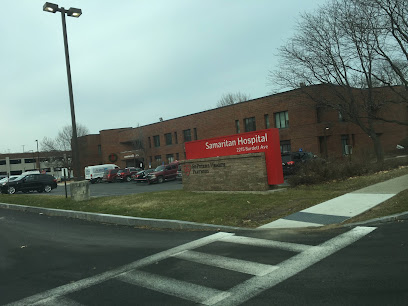
Samaritan Hospital of Troy New York MSW OP
Troy, NY
- Detox
- Outpatient
- MAT
Substance abuse counseling · Smoking not permitted · General Hospital (including VA hospital)
Accepts: Cash or self-payment, Medicaid, Medicare

820 River Street Inc SL
Troy, NY
- Residential
- Sober Living
Substance use treatment · Accepts clients on opioid medication but prescribed elsewhere · Cognitive behavioral therapy
Accepts: Cash or self-payment, Medicaid, Medicare