

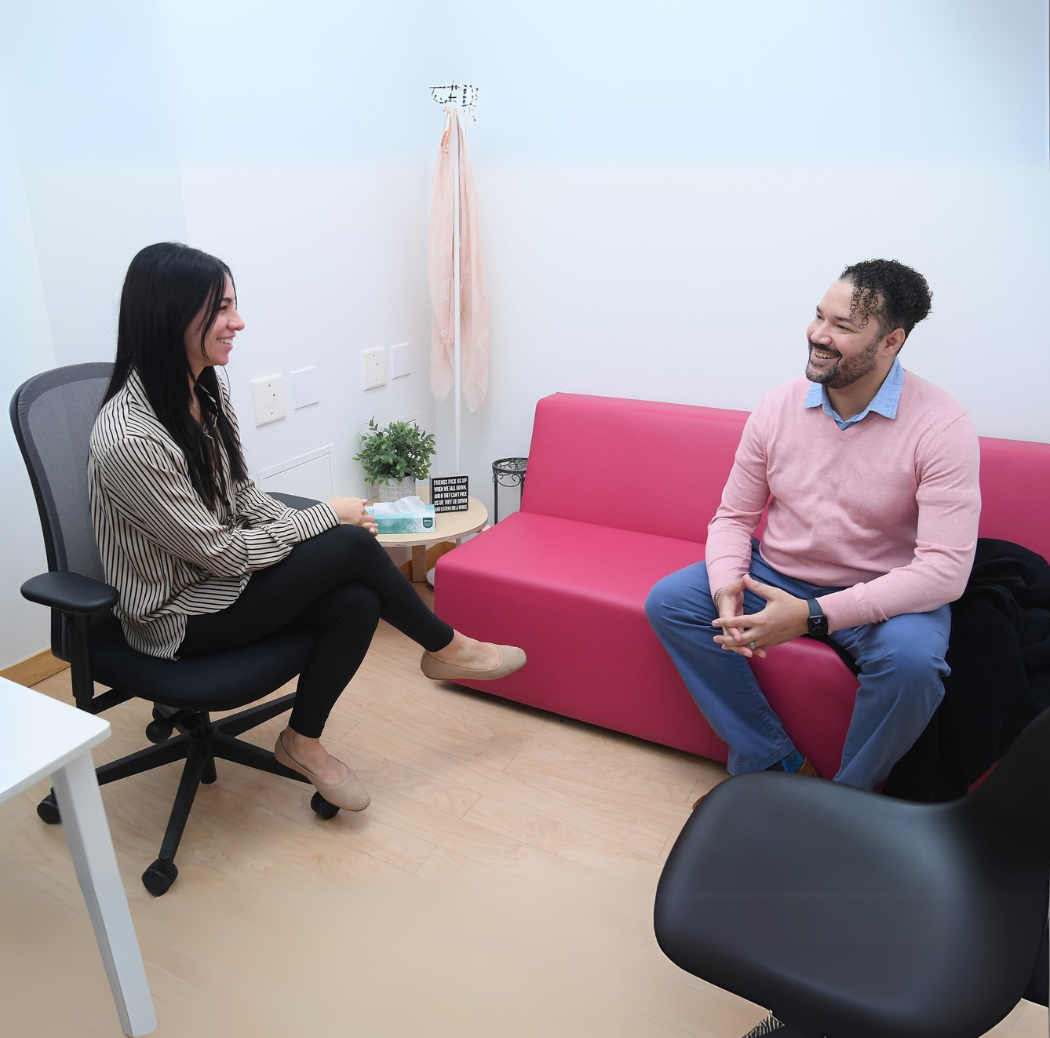
 1 / 3
1 / 3At a Glance
Location
2640 Pitkin Avenue, Brooklyn, NY 11208
Phone
718-277-0386Primary Focus
Treatment Settings
Treatment Approaches
Special Programs
About Housing Works Community Healthcare
Housing Works Community Healthcare in Brooklyn, NY offers outpatient addiction treatment and substance use recovery services at its Pitkin Avenue clinic. As a federally funded community health center, it serves people navigating substance use and co-occurring disorders with a sliding-scale fee structure designed to remove financial barriers to long-term recovery.
Housing Works Community Healthcare operates an outpatient clinic at 2640 Pitkin Avenue in the East New York neighborhood of Brooklyn, Kings County, NY. As a Federal 330 Health Center Program grantee under 42 USC 254b with HHS funding and Federal PHS Deemed Status certification, the center functions within the federally qualified health center model — meaning its accountability and funding standards are set at the federal level, not just locally. That distinction matters for people evaluating where to anchor their recovery over the long term.
The clinic's primary level of care is an outpatient program, positioned to support people who are building and sustaining recovery while remaining in their communities. Rather than removing individuals from their daily lives, outpatient treatment at this level allows clients to work on recovery goals, engage with their support networks, and continue family or employment responsibilities — all factors that matter deeply in sustained recovery.
Cognitive Behavioral Therapy (CBT) anchors the clinical approach here. CBT is a structured, skills-focused method that helps people identify and shift the thought patterns and behaviors connected to substance use. The center also addresses co-occurring disorders and dual diagnosis, recognizing that mental health conditions and substance use frequently overlap and are best treated together rather than in isolation. Services are available via office visits and telehealth, with a patient portal for ongoing access.
Housing Works Community Healthcare explicitly serves people who are Deaf or Hard of Hearing and those who are court-ordered into treatment — two populations that frequently face access gaps at other outpatient programs. Services are offered in both English and French. On the financial side, the clinic accepts Medicaid, Medicare, private insurance, state insurance, self-pay, and offers both a sliding scale and financial assistance. In a borough where cost is often the deciding factor in whether someone stays in treatment, that breadth of payment options is a genuine differentiator.
Outpatient Recovery Care Rooted in Brooklyn's East New York Community
Housing Works Community Healthcare's Pitkin Avenue clinic brings outpatient substance abuse treatment into one of Brooklyn's most underserved communities. As a federally funded health center operating under 42 USC 254b, the facility is designed to serve people who might not otherwise access consistent, ongoing addiction treatment — including those navigating financial barriers, court-mandated requirements, or communication needs related to being Deaf or Hard of Hearing.
The outpatient program structure keeps people connected to family, work, and community while they engage in recovery — a model that research and lived experience both point to as critical for long-term outcomes. For people earlier in their recovery community journey, outpatient care can serve as a sustained recovery support structure rather than a one-time intervention.
Cognitive Behavioral Therapy and Dual Diagnosis Treatment
CBT is the confirmed therapeutic method at this facility, giving clients a structured framework for examining how thoughts and behaviors interact with substance use. This approach is particularly well-suited to outpatient settings, where clients practice and apply skills between sessions in real-world environments — the same environments where recovery happens.
The clinic's treatment scope includes co-occurring disorders and dual diagnosis, meaning clients dealing with both mental health conditions and substance use can address both within the same program. Treating these issues together rather than sequentially is central to how the clinic approaches whole-person care for people in ongoing recovery.
Flexible Access: Telehealth, Office Visits, and a Patient Portal
Housing Works Community Healthcare offers both in-person office visits and telehealth services, giving people in recovery meaningful flexibility in how they stay connected to their treatment. The addition of a patient portal supports ongoing engagement with care between appointments — a practical tool for people managing busy lives while maintaining an outpatient program commitment.
Clinic hours run Monday through Friday, with extended hours on Mondays and Tuesdays until 7:00 PM, and standard hours through Wednesday and Thursday. This schedule gives working individuals or those with daytime obligations a realistic path to consistent participation in their outpatient recovery program.
Financial Access to Addiction Treatment in Brooklyn
One of the most significant barriers to long-term participation in any outpatient program is cost. Housing Works Community Healthcare accepts Medicaid, Medicare, private insurance, state insurance, and self-pay. For those without coverage or with limited income, a sliding fee schedule based on family size and income is available, alongside financial assistance options.
The clinic's own language puts it plainly: 'Regardless of insurance or ability to pay, we strive to meet you where you are.' For people weighing recovery centers in Brooklyn, that commitment to financial access — backed by federal health center status — represents a meaningful distinction in what can be a difficult landscape to navigate.
Why Choose Housing Works Community Healthcare
- Federally qualified health center with Federal PHS Deemed Status — accountability standards set at the federal level
- Explicitly serves Deaf and Hard of Hearing individuals, a population often underserved by outpatient programs
- Accepts Medicaid, Medicare, private insurance, state insurance, and offers sliding-scale fees and financial assistance — one of the broadest payment access structures available
- Treats co-occurring disorders and dual diagnosis alongside substance use, addressing mental health and addiction together in one outpatient setting
- Telehealth and patient portal options allow people in recovery to maintain engagement even when in-person attendance is difficult
Frequently Asked Questions
What level of care does Housing Works Community Healthcare offer for substance use recovery?
Housing Works Community Healthcare offers an outpatient program for substance use treatment and co-occurring disorders. This level of care allows people to engage in structured recovery support while continuing to live at home and remain connected to their communities and support networks.
Does Housing Works Community Healthcare treat co-occurring mental health and substance use disorders?
Yes. The clinic is confirmed to treat co-occurring disorders and dual diagnosis, meaning clients with both mental health conditions and substance use challenges can receive integrated care within the same outpatient program. This combined approach is particularly important for people seeking sustained, long-term recovery.
What therapy approach is used in the outpatient program?
Cognitive Behavioral Therapy (CBT) is the confirmed therapeutic method at this facility. CBT helps people identify and change thought patterns and behaviors connected to substance use, and it is well-suited to outpatient recovery settings where clients apply skills in their everyday lives between sessions.
Does Housing Works Community Healthcare offer telehealth for addiction treatment?
Yes. The clinic offers both telehealth and in-person office visits, along with a patient portal for ongoing access to care. Telehealth can be an important option for people in recovery who face transportation barriers or need flexibility in how they attend their outpatient program.
What are the clinic's hours for the outpatient program?
The clinic is open Monday, Tuesday, and Friday from 9:00 AM to 7:00 PM, and Wednesday and Thursday from 9:00 AM to 5:00 PM. The clinic is closed on Saturday and Sunday. Extended evening hours on three weekdays make it more accessible for people with daytime work or family obligations.
What payment options are accepted at Housing Works Community Healthcare?
The clinic accepts Medicaid, Medicare, private insurance, state insurance, and self-pay. A sliding fee schedule based on family size and income is available, along with financial assistance for those who qualify. The clinic's stated goal is to meet clients regardless of insurance status or ability to pay.
Does Housing Works Community Healthcare serve people who are Deaf or Hard of Hearing?
Yes. The clinic is confirmed to serve individuals who are Deaf or Hard of Hearing, a population that often faces access gaps in addiction treatment settings. This is a specific, documented population served by this outpatient program.
Can someone attend the outpatient program if their treatment is court-ordered?
Yes. Housing Works Community Healthcare is confirmed to serve court-ordered clients. People required by a court to complete addiction treatment can receive outpatient substance abuse treatment at this Brooklyn clinic.
What languages are available at the clinic?
Services are available in English and French. This language access can be particularly important for Brooklyn residents whose primary language is French, helping to reduce communication barriers during outpatient treatment.
What is the federal certification status of Housing Works Community Healthcare?
Housing Works Community Healthcare holds Federal PHS Deemed Status and operates as a Federal 330 Health Center Program grantee under 42 USC 254b with HHS funding. This federal designation reflects a level of accountability and community health mandate that distinguishes it from privately operated outpatient clinics.
Nearby Treatment Centers
Samaritan Daytop Village Inc Samaritan Village OP
Brooklyn, NY
- Detox
- Outpatient
- MAT
Substance use treatment · Accepts clients on opioid medication but prescribed elsewhere · Cognitive behavioral therapy
Accepts: Cash or self-payment, Medicaid, State-financed health insurance plan other than Medicaid

Alpha School 822 Program OP
Brooklyn, NY
- IOP
- MAT
Substance use treatment · Accepts clients on opioid medication but prescribed elsewhere · Cognitive behavioral therapy
Accepts: Cash or self-payment, Medicaid, Medicare
Brightpoint Health
Brooklyn, NY
- IOP
Substance use treatment · Does not use medication for opioid addiction · Accepts clients on opioid medication but prescribed elsewhere
Accepts: Cash or self-payment, Medicaid, Medicare

Hands on Health Associates LLC OP
Brooklyn, NY
- IOP
- MAT
Substance use treatment · Cognitive behavioral therapy · Substance abuse counseling
Accepts: Cash or self-payment, Medicaid, State-financed health insurance plan other than Medicaid
South Richmond Hill Recovery OP
Ozone Park, NY
- IOP
Substance use treatment · Does not use medication for opioid addiction · Accepts clients on opioid medication but prescribed elsewhere
Accepts: Cash or self-payment, Medicaid, Medicare
Alabama Clinic OTP
Brooklyn, NY
- Outpatient
- MAT
Substance use treatment · All Clients in Opioid Treatment Program · SAMHSA-certified Opioid Treatment Program
Accepts: Cash or self-payment, Medicaid, Sliding fee scale