

 1 / 3
1 / 3At a Glance
Location
4602 North Highway 59, Grove, OK 74345
Phone
918-787-2242Primary Focus
Treatment Settings
Treatment Approaches
Special Programs
About House of Hope Inc
House of Hope Inc in Grove, Oklahoma offers residential treatment and outpatient programs for men working through alcohol and drug addiction, including those with co-occurring disorders. With an open-ended length of stay guided by certified counselor assessments and community transition support built into the model, the center is designed for men committed to building a lasting recovery — not just getting through a crisis.
House of Hope Inc is a substance use treatment center located at 32300 South 625 Road in Grove, Oklahoma, serving Delaware County and the surrounding Grove, OK area. The center describes its mission plainly: helping people learn a new way to live without alcohol or drugs. That straightforward purpose shapes everything from how men are admitted to how long they stay, making House of Hope a recovery center oriented around real, sustained change rather than a short-term stabilization stop.
House of Hope offers two levels of care: residential treatment and an outpatient program. The residential track provides structured, live-in care for men who need full-time support as they work through early and ongoing recovery. The outpatient program extends access to treatment services for those who are stepping down from residential care or who can engage in recovery while maintaining outside responsibilities. Together, these two tracks give men options at different points in their recovery journey.
Cognitive Behavioral Therapy (CBT) is the confirmed therapeutic method used at House of Hope. CBT is a structured, skills-focused approach that helps individuals identify and change thought patterns that contribute to substance use — a practical fit for men working to build new habits and responses in everyday life. Length of stay in the residential program is open-ended, determined by assessments conducted by a Certified Alcohol and Drug Counselor rather than a fixed calendar, meaning men stay as long as the clinical picture calls for it.
House of Hope serves men, including those entering treatment through court-ordered referrals. The center treats alcohol addiction, drug addiction, and co-occurring disorders, recognizing that mental health and substance use challenges frequently overlap. Community transition programs are part of the aftercare support offered, helping men bridge the gap between structured treatment and independent recovery. Payment is accepted through Medicaid and self-pay, and no one is turned away for inability to pay — the center offers a sliding fee scale based on family size and income.
Residential Treatment and Outpatient Programs in Grove, OK
House of Hope Inc offers both residential treatment and an outpatient program from its location in Grove, Oklahoma. The residential program is designed for men who need immersive, full-time support as they work to establish sobriety and address the underlying factors driving addiction. Because length of stay is open-ended and guided by ongoing assessments from a Certified Alcohol and Drug Counselor, the program adapts to where each man actually is in his recovery — not where a fixed schedule says he should be.
The outpatient program extends the center's substance abuse treatment to men who are transitioning out of residential care or who are beginning recovery while managing outside commitments. Both tracks address alcohol addiction, drug addiction, and co-occurring disorders, meaning men dealing with mental health challenges alongside substance use are not turned away or shuffled elsewhere.
Aftercare and Community Transition Support
Recovery does not end when a residential stay does, and House of Hope builds community transition programs into its aftercare support. For men leaving structured residential treatment, the gap between a treatment setting and independent daily life can be one of the most vulnerable stretches of recovery. Community transition programming is designed to reduce that gap — connecting men to ongoing support as they re-enter their communities.
This focus on what comes after residential treatment reflects the center's broader orientation: House of Hope is not positioned as a crisis stop but as a recovery center helping men build the skills and connections needed for long-term sobriety. For family members supporting a loved one, knowing that aftercare planning is part of the program — not an afterthought — matters when choosing a treatment partner.
Who House of Hope Serves
House of Hope specifically serves men, including those referred through court-ordered programs. The center treats alcohol addiction, drug addiction, and co-occurring disorders, which means men arriving with both a substance use condition and a mental health diagnosis are within the scope of care provided. Services are available in English.
On the financial side, House of Hope accepts Medicaid and self-pay. The center's stated policy is that no one will be denied access to services due to an inability to pay, and a sliding fee scale based on family size and income is available for those who qualify. This makes residential treatment and outpatient care accessible to men who might otherwise face financial barriers to entering a recovery program.
CBT and a Clinically Guided Approach to Recovery
Cognitive Behavioral Therapy is the confirmed therapeutic method at House of Hope. CBT helps men in recovery identify the thought patterns and behavioral triggers connected to substance use and develop practical tools to respond differently. It is a structured, skills-building approach well suited to both the residential and outpatient settings the center offers.
What distinguishes the clinical model here is the assessment-driven approach to length of stay. Rather than placing every man on the same timeline, House of Hope uses ongoing evaluations by a Certified Alcohol and Drug Counselor to determine how long residential treatment should continue. For men serious about sustained recovery — and for families looking for a program that does not rush the process — this approach to individualized pacing is a meaningful differentiator.
Why Choose House of Hope Inc
- Open-ended residential stays determined by certified counselor assessments — not arbitrary program timelines
- Serves men with co-occurring disorders, recognizing that mental health and addiction recovery go hand in hand
- Accepts court-ordered participants, making structured residential treatment accessible through the justice system
- Sliding fee scale based on family size and income, with a stated commitment that no one is denied services due to inability to pay
- Community transition programs included as part of aftercare, supporting the step from residential treatment back into daily life
Frequently Asked Questions
What levels of care does House of Hope offer for addiction treatment?
House of Hope offers two levels of care: residential treatment and an outpatient program. Residential treatment provides full-time, live-in support for men working through addiction, while the outpatient program serves men who can engage in recovery while maintaining outside responsibilities or who are stepping down from residential care.
How long is the residential treatment program at House of Hope?
The program length is open-ended rather than fixed. Length of stay is determined through assessments conducted by a Certified Alcohol and Drug Counselor, allowing the treatment timeline to reflect each individual's clinical progress rather than a preset schedule.
Does House of Hope treat co-occurring disorders or dual diagnosis?
Yes. House of Hope treats co-occurring disorders and dual diagnosis, meaning men who are managing both a substance use condition and a mental health challenge are within the scope of care provided at the center.
Who does House of Hope serve?
House of Hope serves men, including those entering treatment through court-ordered referrals. The center treats alcohol addiction, drug addiction, and co-occurring disorders. Services are conducted in English.
What payment options are accepted at House of Hope?
House of Hope accepts Medicaid and self-pay. The center has a stated policy that no one will be denied services due to an inability to pay, and a sliding fee scale based on family size and income is available for those who qualify.
Does House of Hope accept court-ordered participants?
Yes. House of Hope serves men who are court-ordered into treatment as part of its confirmed populations served. Both the residential treatment and outpatient program are available to court-referred individuals.
What therapy approach is used at House of Hope?
House of Hope uses Cognitive Behavioral Therapy (CBT) as its confirmed therapeutic method. CBT is a structured approach that helps individuals identify and change thought patterns and behaviors connected to substance use, building practical skills for sustained recovery.
Is there aftercare support after completing residential treatment?
Yes. House of Hope provides community transition programs as part of its aftercare support. These programs are designed to help men bridge the transition from structured residential treatment back into everyday life and ongoing recovery.
Where is House of Hope located and what area does it serve?
House of Hope is located at 32300 South 625 Road in Grove, Oklahoma, in Delaware County. The center's primary service area is Grove, OK. You can reach the admissions team at (918) 786-2930 or by email at [email protected].
Does House of Hope offer a sliding fee scale for treatment costs?
Yes. House of Hope offers a discount and sliding fee scale based on family size and income for those who cannot afford the standard cost of care. The center's stated policy is that no one will be denied access to services due to an inability to pay.
Nearby Treatment Centers
Grand Lake Mental Health Center
Grove, OK
- IOP
- MAT
Substance use treatment · Cognitive behavioral therapy · Substance abuse counseling
Accepts: Cash or self-payment, Medicaid, Medicare
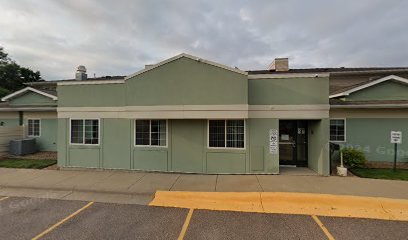
House of Hope Inc
Grove, OK
- Residential
Substance use treatment · Accepts clients on opioid medication but prescribed elsewhere · Cognitive behavioral therapy
Accepts: Cash or self-payment, Medicaid
Northeastern Oklahoma Council on Alcoholism Inc
Jay, OK
- Residential
- Sober Living
Substance use treatment · Accepts clients on opioid medication but prescribed elsewhere · Cognitive behavioral therapy
Accepts: Cash or self-payment, Medicaid, Active duty military
Rose Rock Recovery Center
Vinita, OK
- Residential
Substance use treatment · Does not use medication for opioid addiction · Cognitive behavioral therapy

Inter Tribal Substance Abuse Prevention and Treatment Center
Miami, OK
- Outpatient
Substance use treatment · Accepts clients on opioid medication but prescribed elsewhere · Cognitive behavioral therapy
Accepts: Cash or self-payment, Sliding fee scale
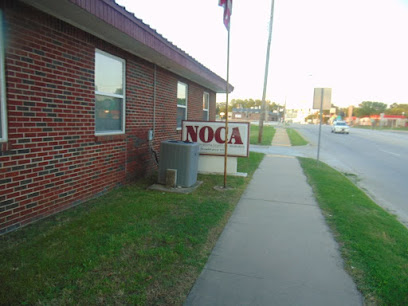
Northeastern Oklahoma Council on Alcoholism Inc
Miami, OK
- Residential
- Sober Living
Substance use treatment · Accepts clients on opioid medication but prescribed elsewhere · Cognitive behavioral therapy
Accepts: Cash or self-payment, Medicaid, Sliding fee scale