

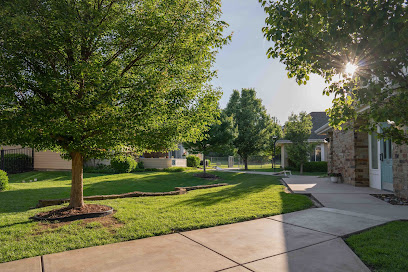
At a Glance
Location
551 South Holland Street, Wichita, KS 67209
Phone
316-260-1435Primary Focus
Treatment Settings
Treatment Approaches
Special Programs
About Holland Pathways
Holland Pathways is a residential addiction treatment center in Wichita, Kansas, offering a full continuum of care from medically-monitored detox through aftercare and alumni support. With a 64-person capacity and a 60-day residential program, the center serves men, women, and veterans navigating recovery from drug addiction, alcohol addiction, and co-occurring mental health conditions.
Holland Pathways is a residential addiction treatment center located at 551 S Holland Lane in Wichita, Kansas, operating under the broader Pathways Recovery Centers network. The facility is designed for people pursuing lasting recovery — not just stabilization — offering structured, longer-term programming on a dedicated addiction treatment campus in Sedgwick County. Holland Pathways describes its mission as showing people "the path to lasting recovery" and has built its model around connecting with the Wichita community through personalized, substance abuse treatment.
The center provides one of the more complete continuums of care available in the Wichita region, spanning medically-monitored detox, residential treatment, a Partial Hospitalization Program (PHP), Intensive Outpatient (IOP), standard outpatient, and formal aftercare. The 60-day residential program anchors the continuum, giving individuals meaningful time to stabilize and build a foundation before stepping down to less intensive levels of care. That step-down structure — from residential through outpatient and into aftercare — reflects a program designed for the recovery journey, not just an acute episode.
Therapeutic programming at Holland Pathways incorporates art therapy, music therapy, and animal therapy alongside treatment for co-occurring disorders including PTSD, depression, anxiety, and bipolar disorder. These approaches address more than substance use in isolation, which matters for the significant portion of people in recovery who are also managing mental health conditions. The clinical team is led by Kimberly Cox as Director of Clinical Services for Pathways Recovery Centers, with Travis Kalcik serving as Executive Director of Holland Pathways and Drew LaBoon as Chief Operating Officer of the broader network.
Holland Pathways serves men, women, and veterans, with a campus capacity of 64 residents. The inclusion of veterans as a named population reflects a specific program focus, not simply an open-door policy. Continuing care and alumni support are built into the model, meaning the relationship with the recovery community does not end at discharge. For families and individuals evaluating a long-term recovery partner in the Wichita area, the center's breadth — from first detox to alumni connection — sets it apart from single-level facilities.
A Full Continuum of Care for Long-Term Recovery in Wichita
Recovery rarely follows a single track, and Holland Pathways is built around that reality. The center's continuum moves from medically-monitored detox — for those who need supervised withdrawal before engaging in deeper treatment work — through residential treatment, Partial Hospitalization, Intensive Outpatient, and standard outpatient programming. Each level of care represents a deliberate step in the recovery process rather than a standalone service.
The 60-day residential program is the core of what Holland Pathways offers. Sixty days is long enough to move through the initial difficulty of early recovery, begin addressing underlying conditions, and start building the habits and community connections that support sobriety after discharge. From there, the step-down path through PHP and outpatient keeps people supported as they reintegrate into daily life — and the center's formal aftercare and alumni support ensure the connection to recovery community continues beyond the final clinical session.
Treating Co-Occurring Disorders Alongside Addiction
For many people seeking addiction treatment, substance use and mental health challenges are deeply intertwined. Holland Pathways addresses this directly, providing treatment for co-occurring disorders including PTSD, depression, anxiety, and bipolar disorder as part of its residential and outpatient programming. Rather than treating addiction in isolation and leaving mental health concerns for later, the center's model accounts for the full picture of what someone in recovery may be carrying.
Therapeutic modalities at Holland Pathways include art therapy, music therapy, and animal therapy — approaches that can reach people in ways traditional talk therapy alone does not, particularly for those working through trauma or emotional dysregulation. Kimberly Cox, Director of Clinical Services for Pathways Recovery Centers, oversees the clinical framework that ties these elements together across the continuum.
Aftercare and Alumni Support: The Recovery Community Beyond Discharge
One measure of a strong recovery center is what happens after someone leaves. Holland Pathways includes both continuing care and alumni support as formal parts of its program — not afterthoughts, but structured components of the overall treatment model. For individuals and families evaluating a long-term recovery partner, this matters: the transition out of residential treatment is one of the highest-risk periods in early recovery, and having an established support network in place before that moment arrives improves outcomes.
The alumni support component also reflects Holland Pathways' orientation toward community — a value the center describes explicitly in its connection to Wichita. For people relocating to or remaining in the Wichita area after treatment, staying connected to a local alumni network through the same facility where they built early recovery can be a meaningful anchor in ongoing sobriety.
Who Holland Pathways Serves
Holland Pathways is a residential addiction treatment center serving men, women, and veterans across its 64-bed campus in Wichita, Kansas. The explicit inclusion of veterans as a served population signals more than open enrollment — it indicates that the center has structured its programming with veterans' distinct experiences in mind, including the elevated rates of PTSD and co-occurring mental health conditions common in that population.
Conditions treated at Holland Pathways span drug addiction, alcohol addiction, and a range of co-occurring mental health diagnoses. The center's breadth — from the populations it serves to the levels of care it offers — makes it a viable option for individuals at many different stages of the recovery process, as well as for families seeking a single program that can support their loved one from detox through long-term aftercare.
Why Choose Holland Pathways
- Full continuum from medically-monitored detox through alumni support — one recovery community, not a hand-off between disconnected providers
- 60-day residential program gives individuals substantially more time in structured treatment than shorter-stay alternatives
- Dedicated programming for veterans, recognizing their distinct recovery needs within the broader residential population
- Co-occurring disorder treatment for PTSD, depression, anxiety, and bipolar disorder integrated alongside substance abuse treatment
- Art, music, and animal therapy round out a clinical approach that addresses the whole person, not just the addiction
Frequently Asked Questions
What levels of care does Holland Pathways offer for addiction treatment?
Holland Pathways provides a full continuum of addiction treatment, including medically-monitored detox, residential treatment, a Partial Hospitalization Program (PHP), Intensive Outpatient (IOP), standard outpatient, and aftercare. This range allows individuals to receive the right level of support at each stage of recovery without needing to transition to a completely different facility.
How long is the residential program at Holland Pathways?
Holland Pathways offers a 60-day residential program. This extended length of stay is designed to give individuals meaningful time to stabilize, address underlying conditions, and build recovery skills before stepping down to less intensive outpatient programming.
Does Holland Pathways offer detox services?
Yes. Holland Pathways provides medically-monitored detox as the first level of care in its continuum. This allows individuals who need supervised withdrawal support to begin their recovery at Holland Pathways and continue into residential and outpatient treatment within the same program.
Does Holland Pathways treat co-occurring mental health conditions?
Holland Pathways treats co-occurring disorders alongside addiction, including PTSD, depression, anxiety, and bipolar disorder. Addressing mental health conditions as part of the recovery process — rather than separately — is a core part of how the center approaches substance abuse treatment.
Does Holland Pathways have specific programming for veterans?
Yes. Veterans are among the populations explicitly served at Holland Pathways. The center recognizes that veterans often face distinct challenges in recovery, including elevated rates of PTSD and co-occurring mental health conditions, and structures its programming accordingly.
What types of therapy are available at Holland Pathways?
Holland Pathways incorporates art therapy, music therapy, and animal therapy into its treatment programming. These modalities complement the clinical work done across the continuum and are particularly useful for individuals processing trauma or working through emotional challenges alongside addiction.
What aftercare and alumni support does Holland Pathways provide?
Holland Pathways offers both continuing care and alumni support as formal components of its program. These services are designed to keep individuals connected to the recovery community after they complete residential or outpatient treatment, which is a critical period in sustaining long-term sobriety.
What is the capacity at Holland Pathways' residential facility?
Holland Pathways has a residential capacity of 64 individuals. The facility is located at 551 S Holland Lane in Wichita, Kansas, and operates as a dedicated addiction treatment campus.
Who is Holland Pathways affiliated with?
Holland Pathways operates under the Pathways Recovery Centers network. Travis Kalcik serves as Executive Director of Holland Pathways, Drew LaBoon is the Chief Operating Officer of Pathways Recovery Centers, and Kimberly Cox leads clinical services across the network as Director of Clinical Services.
Is Holland Pathways a good fit for someone who needs more than short-term detox?
Holland Pathways is specifically designed for longer-term recovery, not just acute stabilization. Its 60-day residential program, step-down levels of care, co-occurring disorder treatment, and formal aftercare and alumni support make it a strong option for individuals and families looking for a recovery center that supports the full arc of the recovery journey.
Nearby Treatment Centers

Change Your Life Enterprises Inc ADAPT
Wichita, KS
- IOP
Substance use treatment · Accepts clients on opioid medication but prescribed elsewhere · Cognitive behavioral therapy
Accepts: Cash or self-payment, Medicaid, Private health insurance
Recovery Unlimited West Douglas
Wichita, KS
- IOP
- MAT
Substance use treatment · Accepts clients on opioid medication but prescribed elsewhere · Cognitive behavioral therapy
Accepts: Cash or self-payment, Medicaid, State-financed health insurance plan other than Medicaid
Recovery Concepts Inc
Wichita, KS
- IOP
Substance use treatment · Accepts clients on opioid medication but prescribed elsewhere · Cognitive behavioral therapy
Accepts: Cash or self-payment, Medicaid, State-financed health insurance plan other than Medicaid

ARROW Wichita
Wichita, KS
- Outpatient
Substance use treatment · Does not use medication for opioid addiction · Cognitive behavioral therapy
Accepts: Cash or self-payment
Mirror Inc Wichita Outpatient
Wichita, KS
- IOP
Substance use treatment · Accepts clients on opioid medication but prescribed elsewhere · Cognitive behavioral therapy
Accepts: Cash or self-payment, Medicaid, Private health insurance
Mirror Inc Wichita Dodge Avenue
Wichita, KS
- IOP
- MAT
Substance use treatment · Accepts clients on opioid medication but prescribed elsewhere · Cognitive behavioral therapy
Accepts: Cash or self-payment, Medicaid, Private health insurance