

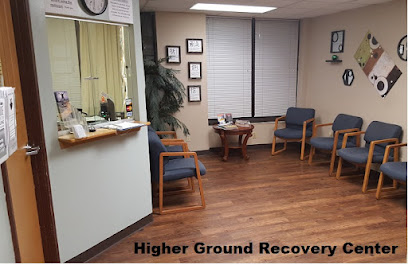
At a Glance
Location
2032 East Kearney Street, Springfield, MO 65803
Phone
417-869-0700Primary Focus
Treatment Settings
Treatment Approaches
Special Programs
About Higher Ground Recovery Center
Higher Ground Recovery Center in Springfield, MO offers outpatient addiction treatment for adults navigating long-term recovery. Certified by the Missouri Department of Mental Health, the center combines structured outpatient programming with recovery housing and ongoing recovery support services — built for people committed to lasting change, not just a short-term fix.
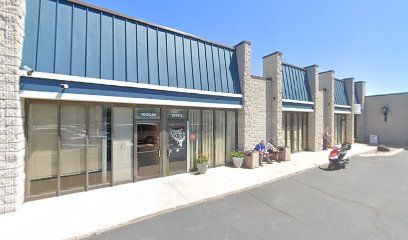
Higher Ground Recovery Center is an outpatient clinic located at 2032 East Kearney Street in Springfield, Missouri, serving Greene County and the broader Springfield community. Certified by the Missouri Department of Mental Health Division of Alcohol and Drug Abuse, the center operates Monday through Friday from 9:00 AM to 5:00 PM, making consistent outpatient care accessible for adults managing work, family, and recovery at the same time. For people weighing their options in the Springfield area, Higher Ground is a community-rooted recovery center focused on the long arc of sobriety — not just the first steps.
The center's core offering is an Outpatient Program, which allows clients to engage in structured substance abuse treatment while continuing to live at home or in recovery housing. Alongside the outpatient program, Higher Ground provides a Recovery Housing Program — a supported living option for those who need a stable environment during recovery — as well as Recovery Support Services designed to sustain progress after formal treatment ends. A Children's Program is also referenced on the center's own website, reflecting a recognition that addiction affects whole families.
Higher Ground's treatment approach draws on Cognitive Behavioral Therapy (CBT), individual counseling, and group therapy, giving clients both one-on-one support and the shared accountability that comes from peer community. The center also incorporates Bible Study into its programming, reflecting a faith-informed perspective that distinguishes it from purely clinical outpatient settings. Co-occurring disorders and trauma or PTSD are both addressed within the program, meaning clients dealing with mental health challenges alongside substance use can receive integrated care under one roof.
Higher Ground serves a notably broad population: men, women, young adults between 18 and 25, veterans, and individuals with court-ordered treatment requirements. For veterans and young adults in particular — two groups that often feel out of place in general recovery settings — the center's explicit inclusion signals a more tailored fit. Payment options include self-pay and financial assistance, lowering barriers for those without insurance coverage. For Springfield residents looking for an outpatient recovery center that pairs clinical structure with community connection and a path toward stable sober living, Higher Ground Recovery Center offers a grounded place to build that foundation.
Outpatient Recovery Program in Springfield, MO
Higher Ground Recovery Center's Outpatient Program is structured for people who are ready to commit to long-term recovery while staying connected to their lives in the Springfield community. Rather than requiring residential admission, the outpatient format lets clients attend scheduled sessions Monday through Friday and return home each evening — whether that home is a personal residence or a recovery housing placement.
The program addresses both substance use and co-occurring mental health conditions, including trauma and PTSD. This dual diagnosis capacity means clients don't have to choose between treating their substance use and treating the underlying issues that often fuel it. For many people in the Springfield area, that integrated approach is what makes ongoing recovery sustainable rather than temporary.
Recovery Housing and Aftercare Support
One of the features that sets Higher Ground apart from a standard outpatient clinic is its Recovery Housing Program. For clients who need a structured, sober living environment while they move through or beyond the outpatient program, recovery housing provides stability that many transitional periods in recovery lack. It bridges the gap between active treatment and fully independent sober living.
Beyond housing, Higher Ground provides Recovery Support Services — continuing care resources designed to help clients maintain their footing after formal programming ends. Aftercare is often the most overlooked phase of the recovery process, and having support services built into the same organization that provided treatment creates continuity that matters for long-term outcomes.
Who Higher Ground Serves
Higher Ground Recovery Center is designed to serve a wide cross-section of adults in the Springfield, MO area. The center explicitly works with men, women, young adults ages 18 to 25, veterans, and individuals referred through the court system. Each of these groups brings distinct needs to recovery, and the center's outpatient structure — combined with individual counseling, group therapy, and community programming — is built to accommodate that range.
For veterans managing trauma alongside substance use, and for young adults still building adult identity and social networks, finding a recovery community that acknowledges their specific situation can be the difference between engagement and dropout. Higher Ground's inclusion of these populations by name reflects a center that has thought carefully about who walks through its doors and why.
Treatment Approach and Philosophy
Higher Ground's clinical approach centers on Cognitive Behavioral Therapy, individual counseling, and group therapy — a combination that addresses both the thinking patterns behind addictive behavior and the social dimension of recovery. Group therapy in particular supports the kind of peer accountability and shared experience that research consistently links to better long-term outcomes in outpatient settings.
What distinguishes Higher Ground from many outpatient programs is the incorporation of Bible Study alongside clinical modalities. This faith-integrated model is not incidental — it reflects the center's orientation toward recovery as something that involves the whole person. For clients whose values and worldview are shaped by faith, this framing can make the recovery community feel like a genuine fit rather than a clinical obligation.
Why Choose Higher Ground Recovery Center
- Faith-informed outpatient program that integrates Bible Study alongside CBT and group therapy — rare in Springfield's recovery landscape
- Recovery Housing Program connected directly to outpatient treatment, supporting a seamless transition from active programming to stable sober living
- Explicitly serves veterans, court-ordered individuals, and young adults (18–25), populations often underserved by general outpatient clinics
- Dual diagnosis and trauma/PTSD treatment within the outpatient setting, so clients with co-occurring disorders don't need to seek care at multiple locations
- Certified by the Missouri Department of Mental Health Division of Alcohol and Drug Abuse, providing state-verified accountability for the recovery community
Frequently Asked Questions
What level of care does Higher Ground Recovery Center provide?
Higher Ground Recovery Center operates as an outpatient clinic, offering an Outpatient Program for adults in recovery. This level of care allows clients to participate in structured addiction treatment during the day and return home in the evenings, making it well-suited for people balancing recovery with work, family, or other responsibilities in the Springfield area.
Does Higher Ground offer housing for people in recovery?
Yes. Higher Ground operates a Recovery Housing Program that provides a stable living environment for clients who need sober housing during or after their outpatient treatment. This program is listed as part of their aftercare and support services, creating a direct connection between clinical care and community-based recovery living.
What therapeutic approaches are used at Higher Ground?
The center uses Cognitive Behavioral Therapy (CBT), individual counseling, and group therapy as core components of its outpatient program. Higher Ground also incorporates Bible Study, reflecting a faith-informed dimension to its recovery programming that distinguishes it from purely clinical outpatient settings.
Does Higher Ground treat co-occurring mental health conditions?
Yes. Higher Ground addresses co-occurring disorders and dual diagnosis, as well as trauma and PTSD, within its outpatient program. Clients dealing with mental health challenges alongside substance use can receive integrated care at the same location rather than navigating multiple providers.
Who does Higher Ground Recovery Center serve?
The center serves men, women, young adults between the ages of 18 and 25, veterans, and individuals with court-ordered treatment requirements. This range of populations served reflects a center designed to work with diverse backgrounds and circumstances rather than a single demographic profile.
How do I pay for treatment at Higher Ground if I don't have insurance?
Higher Ground accepts self-pay and cash payments, and financial assistance is available for those who qualify. Clients without insurance coverage should contact the center directly at (417) 869-0700 or at [email protected] to discuss payment options before enrollment.
Is Higher Ground Recovery Center state-certified?
Yes. Higher Ground Recovery Center is certified by the Missouri Department of Mental Health Division of Alcohol and Drug Abuse. This state-level certification provides an independent standard of accountability for the quality of care provided at the facility.
What are Higher Ground's hours of operation?
Higher Ground is open Monday through Friday from 9:00 AM to 5:00 PM. The center is closed on Saturday and Sunday. Prospective clients can call (417) 869-0700 or email [email protected] to schedule an intake appointment during business hours.
What ongoing support does Higher Ground offer after the outpatient program ends?
Higher Ground provides Recovery Support Services as part of its aftercare framework, designed to help clients sustain recovery after formal outpatient programming concludes. Combined with the Recovery Housing Program, these services are intended to extend the community connection beyond the clinical treatment phase.
Where is Higher Ground Recovery Center located?
Higher Ground Recovery Center is located at 2032 East Kearney Street, Suite 214, in Springfield, Missouri (ZIP 65803), serving Greene County and the Springfield metro area. The center's website is higherground417.org, and the main phone number is (417) 869-0700.
Nearby Treatment Centers
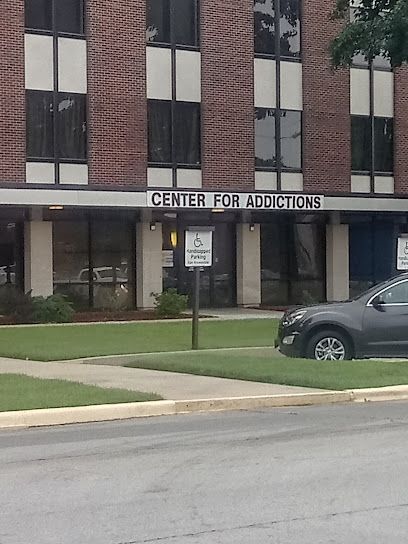
Center for Addictions Cox Health
Springfield, MO
- Detox
- PHP
- IOP
- MAT
Substance use treatment · Cognitive behavioral therapy · Dialectical behavior therapy
Accepts: Cash or self-payment, Medicaid, Medicare
Burrell Behavioral Hlth/Cherry Street
Springfield, MO
- Residential
- PHP
- IOP
Substance use treatment · Accepts clients on opioid medication but prescribed elsewhere · Cognitive behavioral therapy
Accepts: Cash or self-payment, Medicaid, State-financed health insurance plan other than Medicaid
Heartland Center for Behavioral Change
Springfield, MO
- IOP
- MAT
Substance use treatment · Cognitive behavioral therapy · Substance abuse counseling
Accepts: Cash or self-payment, Medicaid, Sliding fee scale
Recovery Outreach Services LLC
Springfield, MO
- PHP
- IOP
- MAT
Substance use treatment · Accepts clients on opioid medication but prescribed elsewhere · Cognitive behavioral therapy
Accepts: Cash or self-payment
BHG XLIII DBA BHG Northern Springfield Trt Ctr
Springfield, MO
- Outpatient
- MAT
Substance use treatment · All Clients in Opioid Treatment Program · SAMHSA-certified Opioid Treatment Program
Accepts: Cash or self-payment, Private health insurance
Burrell Murney Clinic
Springfield, MO
- PHP
- IOP
- MAT
Substance use treatment · Cognitive behavioral therapy · Substance abuse counseling
Accepts: Cash or self-payment, Medicaid, State-financed health insurance plan other than Medicaid