

 1 / 5
1 / 5At a Glance
Location
15251 Pleasant Valley Road, Center City, MN 55012
Phone
651-213-4200Primary Focus
Treatment Settings
Treatment Approaches
Special Programs
About Hazelden Betty Ford Foundation Center City
The Hazelden Betty Ford Foundation operates a comprehensive recovery center in Center City, Minnesota, offering medical detox, residential treatment, outpatient programs, and campus-based sober living. Established in 2014, this facility provides specialized care for alcohol addiction, drug addiction, and co-occurring mental health disorders with robust alumni services and family programming.
The Hazelden Betty Ford Foundation's Center City campus serves as a comprehensive addiction treatment and recovery center in Minnesota's Chisago County. This residential facility combines medical detox capabilities with long-term recovery programming, operating 24 hours daily to support individuals throughout their recovery journey. The center maintains Joint Commission and CARF accreditations while providing specialized services for deaf and hard-of-hearing clients through ASL interpretation.
Recovery programming spans the full continuum of care, from medical detox through residential treatment, outpatient services, and campus-based sober living arrangements. The facility's residential treatment program addresses alcohol addiction, drug addiction, and co-occurring mental health disorders including depression, anxiety, and trauma. Alumni services and recovery coaching provide ongoing support beyond initial treatment, creating lasting connections within the recovery community.
Treatment approaches center on Cognitive Behavioral Therapy alongside family programming and virtual telehealth services. Recovery coaching and monitoring extend throughout the aftercare process, ensuring continuity between residential treatment and community-based recovery. The campus-based sober living component bridges the transition from intensive treatment to independent recovery living.
The center serves adults, seniors, men, and women dealing with substance abuse and co-occurring disorders, including specialized trauma and PTSD treatment. Payment options include private insurance, TRICARE coverage, and self-pay arrangements, though Medicare and Medicaid are not accepted. Family and children's services support the broader recovery community, recognizing that addiction affects entire family systems rather than individuals alone.
Medical Detox and Residential Treatment Services
The Hazelden Betty Ford Foundation's Center City location provides medical detox services as the foundation for comprehensive addiction treatment. This medically supervised withdrawal management supports individuals beginning recovery from alcohol addiction and drug addiction in a safe, monitored environment. The facility operates continuously with 24-hour staffing to ensure medical oversight throughout the detox process.
Residential treatment programming follows detox with intensive therapeutic intervention addressing both substance abuse and co-occurring mental health disorders. Treatment teams work with depression, anxiety, and trauma alongside addiction, recognizing the interconnected nature of these conditions. The residential program creates structure and community connection essential for early recovery stabilization before transitioning to outpatient care or sober living arrangements.
Outpatient Programs and Recovery Community Support
Outpatient programming extends treatment beyond residential care, allowing individuals to maintain work, family, and community connections while continuing recovery support. Virtual and telehealth services expand access to treatment, particularly valuable for ongoing therapy and recovery coaching sessions. Cognitive Behavioral Therapy forms the core therapeutic approach, supplemented by family programming that involves loved ones in the recovery process.
Alumni services create lasting recovery community connections, providing ongoing peer support and accountability beyond formal treatment completion. Recovery coaching and monitoring maintain therapeutic relationships during the critical transition to independent living. These aftercare components recognize that sustainable recovery requires long-term community support rather than short-term intervention alone.
Campus-Based Sober Living and Aftercare
The facility's campus-based sober living program provides structured transitional housing within the treatment environment. This arrangement allows individuals to practice independent living skills while maintaining access to clinical support and peer community. Sober living residents benefit from the security of on-campus resources while developing confidence in their recovery foundation.
Aftercare support extends through multiple channels including alumni services, ongoing recovery coaching, and continued access to sober living arrangements. Family and children's services address the broader impact of addiction on family systems, providing education and support for spouses, parents, and children affected by a loved one's substance abuse. This comprehensive aftercare approach recognizes that recovery success depends on strong community connections and family healing.
Specialized Populations and Accessibility Services
The center serves diverse populations including adults, seniors, men, and women dealing with substance abuse and co-occurring disorders. Specialized trauma and PTSD treatment acknowledges the significant role of underlying trauma in addiction development and recovery. Dual diagnosis capabilities address the complex needs of individuals managing both substance abuse and mental health conditions simultaneously.
Accessibility services include ASL interpretation for deaf and hard-of-hearing clients, ensuring that communication barriers do not prevent access to quality addiction treatment. This specialized service reflects the center's commitment to serving all community members regardless of physical limitations. English and ASL language services support clear communication throughout treatment, family programming, and alumni activities.
Why Choose Hazelden Betty Ford Foundation Center City
- Campus-based sober living integrated with residential treatment for seamless recovery progression
- Specialized accessibility services including ASL interpretation for deaf and hard-of-hearing clients
- Alumni services and recovery coaching that maintain long-term recovery community connections
- Family and children's services addressing the broader impact of addiction on family systems
- 24-hour operation with Joint Commission and CARF dual accreditation for comprehensive care standards
Frequently Asked Questions
What levels of addiction treatment are available at the Center City campus?
The facility provides medical detox, residential treatment, outpatient programs, and campus-based sober living. This comprehensive continuum allows individuals to progress through different levels of care based on their recovery needs and stage of treatment.
Does Hazelden Betty Ford offer specialized services for deaf and hard-of-hearing clients?
Yes, the center provides ASL (American Sign Language) interpretation services to ensure accessibility for deaf and hard-of-hearing individuals. Treatment, family programming, and alumni services are all available with ASL support.
What insurance coverage is accepted for addiction treatment?
The facility accepts private insurance, TRICARE, and state insurance plans, plus self-pay arrangements. However, Medicare and Medicaid are not accepted, so individuals should verify coverage details before admission.
Are family members included in the recovery process?
The center operates family programming and family and children's services that involve loved ones in treatment and education. These services recognize that addiction affects entire family systems and that family healing supports long-term recovery success.
What ongoing support is available after completing residential treatment?
Alumni services, recovery coaching and monitoring, and continued sober living access provide ongoing community support. These aftercare components maintain therapeutic relationships and peer connections essential for sustained recovery.
Does the facility treat co-occurring mental health disorders?
Yes, the center provides dual diagnosis treatment for co-occurring mental health disorders including depression, anxiety, and trauma/PTSD. Treatment teams address both substance abuse and mental health conditions simultaneously for comprehensive care.
Is virtual treatment available through telehealth services?
The facility offers virtual and telehealth services as part of their therapeutic programming. This expands access to ongoing therapy sessions, recovery coaching, and outpatient services for continued care.
What therapeutic approaches are used in addiction treatment?
Cognitive Behavioral Therapy (CBT) serves as the primary therapeutic method, combined with family programming and recovery coaching. The treatment approach addresses both behavioral patterns and family dynamics affecting recovery outcomes.
How does campus-based sober living differ from off-site housing?
Campus-based sober living provides structured transitional housing within the treatment environment, allowing access to clinical support and peer community while practicing independent living skills. This arrangement offers additional security during early recovery transition.
Nearby Treatment Centers

Fairview Recovery Services Chisago Adolescent Chemical Dependency
Chisago City, MN
- Residential
- IOP
- MAT
Substance use treatment · Accepts clients on opioid medication but prescribed elsewhere · Cognitive behavioral therapy
Accepts: Cash or self-payment, Medicaid, State-financed health insurance plan other than Medicaid
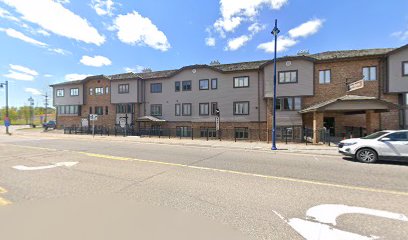
Fairview Recovery Services Outpatient Program
Forest Lake, MN
- IOP
Substance use treatment · Accepts clients on opioid medication but prescribed elsewhere · Cognitive behavioral therapy
Accepts: Cash or self-payment, Medicaid, State-financed health insurance plan other than Medicaid
Canvas Health
Forest Lake, MN
- IOP
Substance use treatment · Accepts clients on opioid medication but prescribed elsewhere · Cognitive behavioral therapy
Accepts: Cash or self-payment, Medicaid, State-financed health insurance plan other than Medicaid
New Choices for Recovery
North Branch, MN
- IOP
Substance use treatment · Accepts clients on opioid medication but prescribed elsewhere · Cognitive behavioral therapy
Accepts: Cash or self-payment, Medicaid, State-financed health insurance plan other than Medicaid
Northstar Behavioral Health Cranberry Acres
Wyoming, MN
- Residential
- MAT
Substance use treatment · Accepts clients on opioid medication but prescribed elsewhere · All Clients in Opioid Treatment Program
Accepts: Cash or self-payment, Medicaid, State-financed health insurance plan other than Medicaid
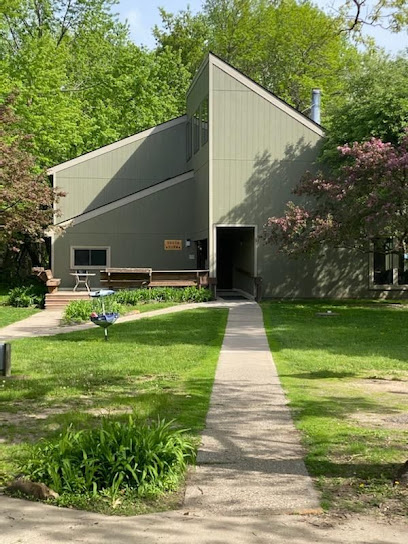
Meridian Behavioral Health Cedar Ridge Mens Residential
Stillwater, MN
- Detox
- Residential
- MAT
Substance use treatment · Accepts clients on opioid medication but prescribed elsewhere · Cognitive behavioral therapy
Accepts: Cash or self-payment, Medicaid, Medicare