


At a Glance
Location
437 Girard Street, Havre de Grace, MD 21078
Phone
443-502-8606Primary Focus
Treatment Settings
Treatment Approaches
Special Programs
About Harbor of Grace Enhanced Recovery Ctr
Harbor of Grace Enhanced Recovery Center in Havre De Grace, MD is a CARF-accredited substance use and mental health treatment facility offering inpatient, partial hospitalization, intensive outpatient, and day treatment programs. The center holds a specific focus on first responders — including police, firefighters, veterans, federal agents, dispatchers, and corrections officers — providing structured, longer-term recovery options for those who serve their communities.
Harbor of Grace Enhanced Recovery Center is a CARF-accredited substance use and mental health treatment facility located at 437 Girard St in Havre De Grace, Maryland, in Harford County. Operating 24 hours a day, seven days a week, the center is designed for individuals seeking structured, ongoing recovery support — not just crisis stabilization. Founded by D. Kenneth Beyer, a firefighter and EMT himself, the center was built with an understanding of the specific pressures that come with serving in public safety and emergency response roles.
The recovery programs at Harbor of Grace span a meaningful continuum of care. Inpatient treatment provides the most intensive level of support, giving individuals the time and structure needed to focus fully on recovery. For those stepping down or transitioning from inpatient care, partial hospitalization and day treatment programs offer clinical intensity while allowing for more community integration. Intensive outpatient programming rounds out the continuum, supporting individuals who are further along in their recovery but still need consistent clinical engagement and accountability.
The clinical team at Harbor of Grace includes Dr. Bernadette Solounias, an addiction psychiatrist, and Dr. John Dougherty, a board-certified psychiatrist serving as associate medical director — a level of psychiatric expertise that reflects the center's dual focus on both substance use and mental health conditions. This integrated approach to treating co-occurring substance use and mental health concerns is central to how the center operates, addressing both dimensions of recovery rather than treating them in isolation.
Harbor of Grace holds a distinctive position in the addiction treatment landscape by specializing in the first responder and veteran community. Police officers, firefighters, EMTs, corrections officers, dispatchers, federal agents, and veterans are the populations the center is specifically designed to serve. For these individuals — whose experiences and workplace cultures often create unique barriers to seeking treatment — finding a recovery center that understands their world matters. The center's founder shares that background, and that orientation shapes the entire recovery experience at Harbor of Grace.
A Recovery Center Built for Those Who Serve
Harbor of Grace Enhanced Recovery Center was founded with a specific population in mind: the men and women who work in public safety, emergency response, and military service. Police officers, firefighters, EMTs, corrections officers, dispatchers, federal agents, and veterans face occupational stressors and cultural norms that can make seeking addiction treatment feel especially difficult. Harbor of Grace was designed to meet those individuals where they are.
That mission starts at the top. Founder and CEO D. Kenneth Beyer holds credentials as a firefighter and EMT, bringing lived professional experience to the center's leadership. This background isn't incidental — it reflects a deliberate philosophy that recovery support for first responders should be guided by people who understand what that life actually demands. For individuals exploring addiction treatment or residential treatment options, finding a center with that kind of alignment can be a significant factor in long-term recovery success.
Levels of Care: From Inpatient Treatment to Intensive Outpatient Programs
Harbor of Grace offers a structured continuum of care across four levels: inpatient treatment, partial hospitalization, day treatment, and intensive outpatient programming. Inpatient treatment provides the highest level of structure and clinical support, offering individuals dedicated time away from daily pressures to focus on recovery. For those who are ready for more independence but still require significant clinical engagement, partial hospitalization and day treatment serve as effective bridges.
The intensive outpatient program is designed for individuals who are further along in their recovery journey and need consistent support without a full-time residential commitment. Together, these levels of care allow someone to enter the continuum at the point that fits their needs and move through a logical progression — a model well-suited to longer-term recovery rather than short-term stabilization alone. The center's CARF accreditation reflects adherence to recognized standards across these program levels.
Integrated Mental Health and Substance Use Treatment
Harbor of Grace operates as a dual-focus facility, treating both substance use and mental health conditions. This integration is supported by a clinical team that includes Dr. Bernadette Solounias, an addiction psychiatrist, and Dr. John Dougherty, a board-certified psychiatrist serving as associate medical director. Having that level of psychiatric expertise embedded in the clinical team positions the center to address the complexity that often accompanies substance use — particularly for individuals dealing with occupational trauma or stress-related mental health conditions common among first responders and veterans.
For individuals and families evaluating treatment options, the presence of board-certified psychiatric leadership signals a commitment to treating the full picture of a person's health. Recovery that addresses mental health alongside substance use is a more complete model — and for the populations Harbor of Grace serves, that completeness is not optional.
Getting Started at Harbor of Grace
Harbor of Grace operates 24 hours a day, seven days a week, which means the admissions process can begin whenever someone is ready. The center's own language describes the intake process as beginning once all questions have been answered, at which point arrival at the facility is scheduled — a straightforward, transparent process designed to reduce friction for individuals and families who may already be navigating significant stress.
The center can be reached by phone at (443) 502-8606 or by email at [email protected]. For first responders, veterans, and their families exploring inpatient treatment, residential treatment, or outpatient programs in the Harford County area of Maryland, Harbor of Grace represents a recovery center built specifically around their needs and their community.
Why Choose Harbor of Grace Enhanced Recovery Ctr
- Purpose-built for first responders: Harbor of Grace specifically serves police, firefighters, veterans, corrections officers, dispatchers, and federal agents — a focus that shapes every aspect of the recovery program.
- Founded by a firefighter and EMT: The center's founder, D. Kenneth Beyer, brings first responder experience to the leadership of the facility, grounding its mission in direct understanding of that community.
- Psychiatric leadership on staff: An addiction psychiatrist and a board-certified general psychiatrist serve on the clinical team, reflecting the center's integrated focus on both substance use and mental health treatment.
- Full continuum from inpatient to intensive outpatient: The four levels of care — inpatient, partial hospitalization, day treatment, and intensive outpatient — allow individuals to move through a full recovery arc at one CARF-accredited center.
- Around-the-clock availability: Operating 24 hours a day, seven days a week, Harbor of Grace is accessible to individuals and families whenever they are ready to begin the admissions process.
Frequently Asked Questions
What populations does Harbor of Grace specialize in serving?
Harbor of Grace Enhanced Recovery Center specifically serves first responders and veterans, including police officers, firefighters, federal agents, dispatchers, corrections officers, and military veterans. The center was founded by D. Kenneth Beyer, a firefighter and EMT, which reflects its mission-driven focus on this community. This specialization shapes how the facility approaches both substance use and mental health treatment.
What levels of care does Harbor of Grace offer?
The center offers four levels of care: inpatient treatment, partial hospitalization, day treatment, and intensive outpatient programming. This continuum allows individuals to enter recovery at the appropriate level of intensity and progress through structured steps as their recovery advances. All four levels are available at the Havre De Grace, Maryland location.
Does Harbor of Grace treat mental health conditions alongside substance use?
Yes. Harbor of Grace is classified as a substance use and mental health treatment facility, and it treats both conditions. The clinical team includes an addiction psychiatrist and a board-certified general psychiatrist, reflecting the center's integrated approach to co-occurring substance use and mental health concerns.
Is Harbor of Grace accredited?
Yes, Harbor of Grace holds CARF accreditation. CARF, the Commission on Accreditation of Rehabilitation Facilities, is a recognized international accrediting body for health and human services programs. This accreditation indicates that the center meets established standards for quality of care and operations.
What is the difference between partial hospitalization and intensive outpatient programming at Harbor of Grace?
Partial hospitalization (PHP) is a higher-intensity level of care typically suited for individuals who need structured clinical programming for a significant portion of each day but do not require full inpatient residential treatment. Intensive outpatient programming (IOP) offers a step down in intensity, designed for individuals who are further along in their recovery and can manage more independence while still engaging regularly with clinical support.
Who founded Harbor of Grace and what is their background?
Harbor of Grace was founded by D. Kenneth Beyer, who serves as President and CEO. Beyer holds credentials as a firefighter and EMT, which directly informed the center's mission to serve first responders and other public safety professionals in recovery.
Does Harbor of Grace have psychiatric staff on its clinical team?
Yes. The clinical team includes Dr. Bernadette Solounias, an addiction psychiatrist, and Dr. John Dougherty, a board-certified general psychiatrist who serves as associate medical director. This level of psychiatric expertise supports the center's dual focus on substance use treatment and mental health care.
What hours is Harbor of Grace available?
Harbor of Grace operates 24 hours a day, seven days a week. This means prospective patients and their families can begin the admissions process at any time. The center can be contacted by phone at (443) 502-8606 or by email at [email protected].
Where is Harbor of Grace located?
Harbor of Grace Enhanced Recovery Center is located at 437 Girard St in Havre De Grace, Maryland, 21078, in Harford County. The center serves individuals seeking substance use and mental health treatment in the region.
How does someone begin the admissions process at Harbor of Grace?
According to the center's own website, the process begins once all questions have been answered, at which point an arrival date is scheduled. Individuals and families can reach the admissions team by calling (443) 502-8606 or emailing [email protected]. The center is available around the clock to answer questions and support the intake process.
Nearby Treatment Centers
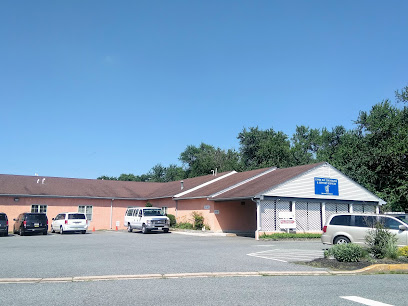
Upper Bay Counseling and Support Servs
Havre de Grace, MD
- Outpatient
- MAT
Substance use treatment · Does not treat opioid addiction · Cognitive behavioral therapy
Accepts: Cash or self-payment, Medicaid, Medicare
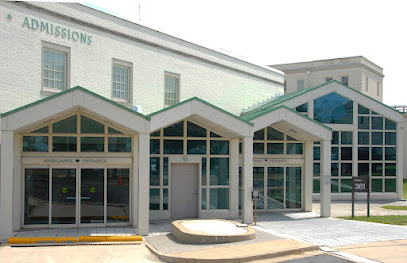
VA Maryland Healthcare System Perry Point Division/SARRTP
Perry Point, MD
- Residential
- Outpatient
- MAT
- Sober Living
Substance use treatment · Accepts clients on opioid medication but prescribed elsewhere · Cognitive behavioral therapy
Accepts: Cash or self-payment, Private health insurance, Military insurance

Ashley Inc DBA Ashley Addiction Treatment
Havre de Grace, MD
- Detox
- Residential
- MAT
Substance use treatment · Cognitive behavioral therapy · Dialectical behavior therapy
Accepts: Cash or self-payment, Private health insurance
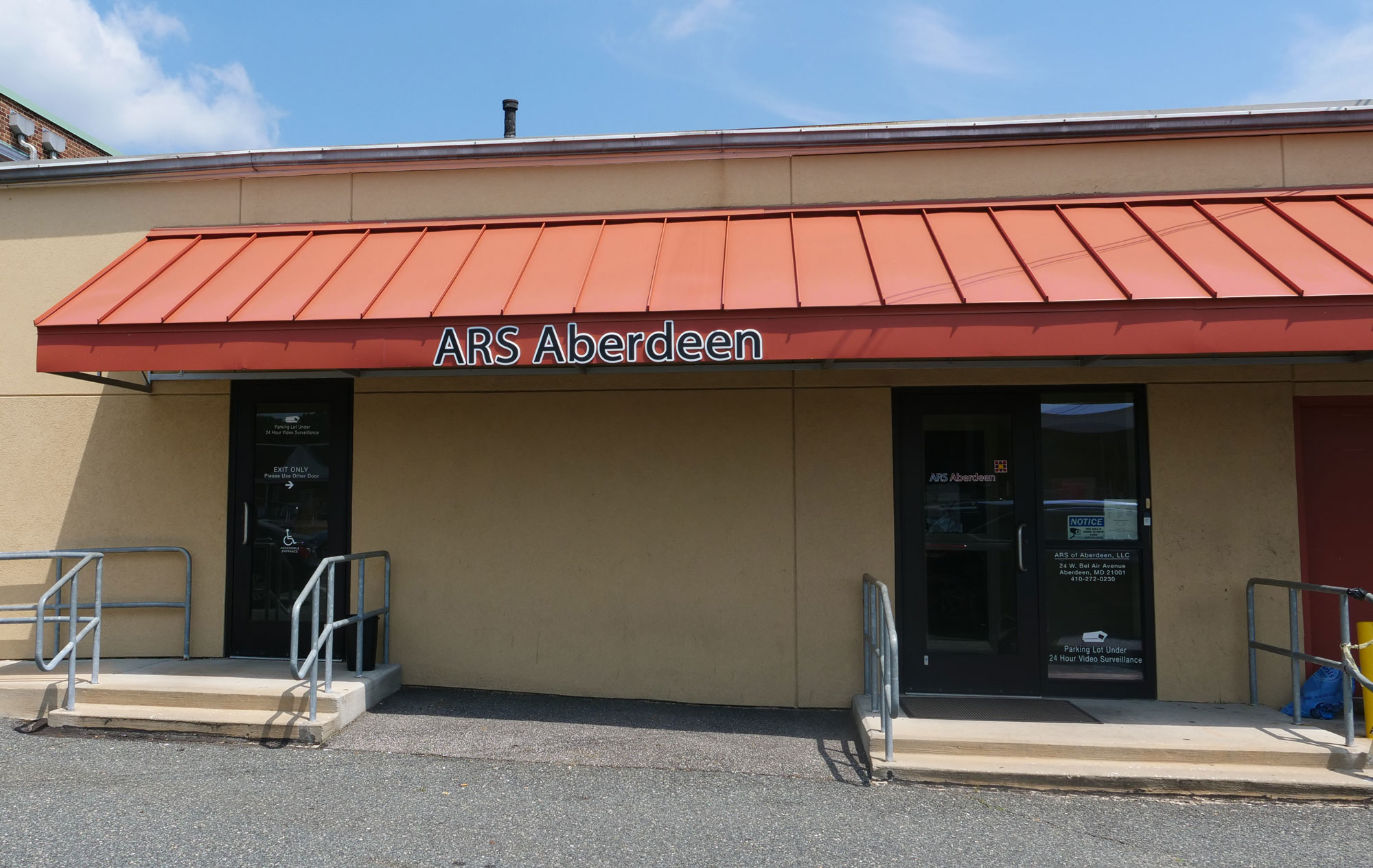
ARS of Aberdeen
Aberdeen, MD
- Outpatient
- MAT
Substance use treatment · All Clients in Opioid Treatment Program · SAMHSA-certified Opioid Treatment Program
Accepts: Cash or self-payment, Medicaid, Medicare
WIN Team Cecil County Office
Port Deposit, MD
- IOP
Substance use treatment · Does not use medication for opioid addiction · Accepts clients on opioid medication but prescribed elsewhere
Accepts: Medicaid, Active duty military, Military families
Serenity Health Aberdeen
Aberdeen, MD
- Detox
- Outpatient
- MAT
Substance use treatment · All Clients in Opioid Treatment Program · SAMHSA-certified Opioid Treatment Program
Accepts: Cash or self-payment, Medicaid, Medicare