

At a Glance
Location
350 Pensacola Beach Road, Gulf Breeze, FL 32561
Phone
855-485-3273Primary Focus
Treatment Settings
Treatment Approaches
Special Programs
About Gulf Breeze Recovery
Gulf Breeze Recovery in Gulf Breeze, Florida offers medical detox, residential treatment, and outpatient programs built around a non-12 step philosophy. The center treats co-occurring disorders and trauma alongside substance use, serving a wide range of populations including veterans, young adults, and seniors. Open 24 hours, it provides structured aftercare and extended care support for lasting recovery.
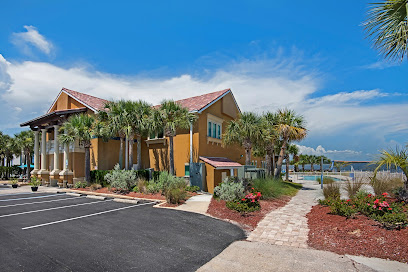
Gulf Breeze Recovery is a substance use treatment center located at 350 Pensacola Beach Road in Gulf Breeze, Florida — a setting that sets it apart from urban treatment facilities. Led by CEO Dr. Lantie Jorandby, MD, who completed an Addiction Psychiatry Fellowship at Yale School of Medicine and previously served as Medical Director for the dual diagnosis unit at McLean Hospital, the center brings clinical depth that is uncommon in a coastal Florida recovery community. Gulf Breeze Recovery operates 24 hours a day and works with individuals seeking a recovery partner for the full continuum of care, not just an acute intervention.
The center offers four distinct levels of care: medical detox, residential treatment, an outpatient program, and an intensive outpatient program (IOP). This continuum allows people to move from medically supervised withdrawal management into longer-term residential treatment and then step down into outpatient programming — all within the same recovery community. The availability of extended care further supports individuals who need additional time before transitioning fully back into daily life.
Gulf Breeze Recovery takes a non-12 step approach, which its own website describes as a defining difference from other addiction treatment centers. The center treats co-occurring disorders and dual diagnosis alongside substance use, as well as trauma and PTSD — conditions that often underlie or complicate long-term recovery. A dedicated family program is included, recognizing that sustainable recovery extends beyond the individual. Aftercare planning and a relapse prevention program are built into the model, not offered as optional add-ons.
The center serves a notably broad range of populations, including veterans — with TRICARE accepted as a payment option — along with young adults ages 18 to 25, seniors, men, women, and individuals requiring HIV/AIDS support. Private insurance and self-pay are also accepted. For families evaluating a residential treatment or outpatient program that addresses the full picture of a person's recovery needs, Gulf Breeze Recovery offers a clinical foundation and an ongoing community that extends well past discharge.
A Full Continuum of Addiction Treatment in Gulf Breeze, FL
For people planning longer-term recovery — not just a short-term detox stay — Gulf Breeze Recovery offers a structured path from medical detox through residential treatment and into outpatient programming. The availability of both an outpatient program and an intensive outpatient program (IOP) means that as individuals build stability, they can step down gradually rather than moving abruptly from 24-hour residential care back into everyday life.
Extended care and a formal aftercare program are available for those who need continued support after primary treatment. A relapse prevention program is also part of the center's long-term recovery framework, giving alumni and continuing clients practical tools for sustaining sobriety inside a supportive recovery community. The facility is open 24 hours a day, which matters for individuals and families navigating the unpredictable timing of early recovery decisions.
Treating Co-Occurring Disorders and Trauma Alongside Substance Use
Gulf Breeze Recovery treats co-occurring disorders and dual diagnosis as a central part of its program, not a secondary consideration. The center also addresses trauma and PTSD — conditions that research consistently links to substance use but that many rehab programs treat only superficially. Having Dr. Lantie Jorandby, MD — whose background includes directing a dual diagnosis unit at McLean Hospital in Massachusetts — leading the clinical operation gives the program a foundation that goes beyond standard addiction treatment.
For individuals or family members who know that mental health and substance use are tangled together, this integrated focus is a meaningful differentiator when evaluating residential treatment or outpatient program options in Florida.
Family Program and Aftercare: Recovery as a Longer Journey
Gulf Breeze Recovery includes a family program as part of its treatment model. Families are not simply notified at discharge — they are brought into the recovery process. This reflects a broader philosophy that sustainable sobriety depends on the environment and relationships a person returns to, not only on what happens inside the treatment center.
The center's aftercare program and extended care options are designed to keep individuals connected to support structures after residential treatment ends. For the Sober Nation community — people thinking about recovery in terms of months and years, not just detox days — this kind of post-treatment infrastructure is often what separates a temporary stay from a genuine turning point.
Who Gulf Breeze Recovery Serves
The center serves a wide range of populations under one roof: veterans, young adults ages 18 to 25, seniors and older adults, men, women, and individuals with HIV/AIDS support needs. TRICARE is accepted alongside private insurance and self-pay, making the program accessible to military families and veterans who often face unique barriers when seeking substance abuse treatment.
This population diversity means Gulf Breeze Recovery functions less like a narrow specialty program and more like a genuine recovery community — one where people at different life stages and with different backgrounds are working through similar challenges in proximity to one another. For families searching for a recovery center in the Florida Panhandle region that can meet a specific loved one's needs, the breadth of populations served is worth factoring into the evaluation.
Why Choose Gulf Breeze Recovery
- Non-12 step recovery model — a deliberate departure from the program format used by most residential treatment centers
- Led by Dr. Lantie Jorandby, MD, an addiction psychiatrist with fellowship training from Yale and dual diagnosis leadership experience at McLean Hospital
- Full continuum from medical detox through residential treatment, IOP, and extended care — all under one recovery community
- Specialized dual diagnosis and trauma/PTSD treatment integrated into the core program, not a separate track
- TRICARE accepted, with dedicated population support for veterans alongside young adults, seniors, and others with distinct recovery needs
Frequently Asked Questions
What levels of care does Gulf Breeze Recovery offer for longer-term recovery?
Gulf Breeze Recovery provides four levels of care: medical detox, residential treatment, an outpatient program, and an intensive outpatient program (IOP). Extended care is also available for individuals who need continued support beyond primary residential treatment. This full continuum allows people to progress through recovery without having to transfer to a separate facility.
Does Gulf Breeze Recovery follow a 12-step program?
No. Gulf Breeze Recovery explicitly uses a non-12 step approach, which it describes as a defining difference from other addiction treatment centers. Individuals who have not found traditional 12-step models to be a fit may find the center's framework more aligned with their recovery goals.
Does Gulf Breeze Recovery treat mental health conditions alongside addiction?
Yes. The center treats co-occurring disorders and dual diagnosis as part of its core program. It also addresses trauma and PTSD, which frequently intersect with substance use. Dr. Lantie Jorandby, MD, who leads the center, previously served as Medical Director for a dual diagnosis unit at McLean Hospital.
Is there an aftercare or alumni program to support recovery after treatment ends?
Gulf Breeze Recovery offers a formal aftercare program, a relapse prevention program, and extended care options. These are designed to keep individuals supported and connected to the recovery community after their primary residential or outpatient treatment is complete.
Does Gulf Breeze Recovery have a family program?
Yes, a family program is part of the treatment model at Gulf Breeze Recovery. Involving family in the recovery process is built into how the center operates, not offered as an afterthought or an optional add-on.
What payment options does Gulf Breeze Recovery accept?
The center accepts private insurance, TRICARE, and self-pay or cash. TRICARE coverage makes the program accessible to veterans and active-duty military families seeking residential treatment or outpatient care.
Does Gulf Breeze Recovery serve veterans?
Yes. Veterans are among the populations specifically served at Gulf Breeze Recovery, and the center accepts TRICARE as a form of payment. The program also treats trauma and PTSD, conditions that are prevalent among veterans seeking addiction treatment.
What age groups does Gulf Breeze Recovery work with?
The center serves young adults ages 18 to 25, as well as seniors and older adults, alongside the general adult population. Men and women are both served, and the center also provides support for individuals with HIV/AIDS-related needs.
Is Gulf Breeze Recovery open around the clock?
Yes. Gulf Breeze Recovery operates 24 hours a day. For individuals and families navigating a recovery decision at any hour, someone is available to provide information and support.
Where is Gulf Breeze Recovery located and how can I contact them?
Gulf Breeze Recovery is located at 350 Pensacola Beach Road, Gulf Breeze, FL 32561. The center can be reached by phone at (850) 934-0790 or by email at [email protected]. More information is available at gulfbreezerecovery.com.
Nearby Treatment Centers
Lakeview Center Inc Medication Assisted Treatment/PNS
Pensacola, FL
- Outpatient
- MAT
Substance use treatment · All Clients in Opioid Treatment Program · SAMHSA-certified Opioid Treatment Program
Accepts: Cash or self-payment, Medicaid

Lakeview Center Inc Adult Outpatient Counseling
Pensacola, FL
- Detox
- Outpatient
- MAT
Substance use treatment · SAMHSA-certified Opioid Treatment Program · Cognitive behavioral therapy
Accepts: Cash or self-payment, Medicaid, Private health insurance
Lakeview Center Inc Child Outpatient Subst Abuse Servs
Pensacola, FL
- Outpatient
Substance use treatment · Does not treat opioid addiction · Cognitive behavioral therapy
Accepts: Cash or self-payment, Medicaid, State-financed health insurance plan other than Medicaid
Lakeview Center Inc Road to Recovery
Pensacola, FL
- Residential
- MAT
Substance use treatment · Accepts clients on opioid medication but prescribed elsewhere · Cognitive behavioral therapy
Accepts: Cash or self-payment, Medicaid, Sliding fee scale

M and A Community Outreach Ctr
Pensacola, FL
- Outpatient
Substance use treatment · Accepts clients on opioid medication but prescribed elsewhere · Cognitive behavioral therapy
Accepts: Cash or self-payment, Medicaid, State-financed health insurance plan other than Medicaid
Lakeview Center Inc Crisis Stabilization Unit
Pensacola, FL
- Detox
- MAT
Substance use treatment · Accepts clients on opioid medication but prescribed elsewhere · Cognitive behavioral therapy
Accepts: Cash or self-payment, Medicaid, Medicare