


At a Glance
Primary Focus
Treatment Settings
Treatment Approaches
Special Programs
About Greenbriar Treatment Center Waynesburg LTR
Gateway Rehabilitation Center (GRC) in Waynesburg, PA offers residential treatment and outpatient programs for adults across Western Pennsylvania navigating substance use and co-occurring disorders. Accredited by the Joint Commission, GRC uses Cognitive Behavioral Therapy to support lasting recovery for men, women, individuals with hearing differences, and those involved in the court system.
Gateway Rehabilitation Center (GRC) is a Joint Commission-accredited substance use treatment facility located at 350 Bonar Avenue in Waynesburg, Pennsylvania, serving individuals throughout Western Pennsylvania. Operating within Greene County, GRC occupies a region where access to structured addiction treatment and recovery support can be limited, making it a meaningful resource for people pursuing long-term sobriety rather than a quick fix.
GRC offers two distinct levels of care that address different points along the recovery continuum. Residential treatment provides an immersive, live-in setting where individuals can focus fully on their recovery without the pressures of daily life. For those who need flexibility or are stepping down from a more intensive level of care, GRC's outpatient program allows participants to continue their recovery work while maintaining outside responsibilities — a practical bridge between structured treatment and independent sober living.
Cognitive Behavioral Therapy (CBT) anchors GRC's clinical approach, giving clients concrete tools to identify and reshape the thought patterns that drive addictive behavior. The center also addresses trauma, PTSD, and co-occurring mental health disorders alongside substance use — a recognition that lasting recovery rarely involves treating one condition in isolation. This dual-diagnosis capacity distinguishes GRC from programs that focus exclusively on substance use without accounting for the underlying conditions that often accompany it.
GRC serves men, women, individuals who are deaf or hard of hearing, and those who are court-ordered into treatment — a notably inclusive range of populations for a facility in a rural Pennsylvania county. Payment options include Medicaid, private insurance, self-pay, and sliding scale fees, reducing financial barriers for people at different economic circumstances. For anyone in Western Pennsylvania looking for a recovery center that can meet them where they are — in terms of both program structure and life situation — Gateway Rehabilitation Center offers a substantive starting point.
Residential Treatment and Outpatient Programs in Western Pennsylvania
Gateway Rehabilitation Center offers two levels of care designed to meet people at different stages of their recovery. Residential treatment at GRC places individuals in a structured, full-time environment dedicated to addressing substance use and its underlying causes — a format suited for those who need to step away from environments that have reinforced addictive patterns. The live-in setting allows clinical work to happen consistently, without the interruptions of day-to-day life pulling focus away from recovery.
GRC's outpatient program serves a different but equally important role in the recovery continuum. Whether someone is transitioning out of residential care or entering treatment while maintaining work, family, or community obligations, the outpatient program provides ongoing clinical support without requiring a residential commitment. Together, these two options allow GRC to support individuals across a wider arc of the recovery journey — from early structured treatment through the longer work of sustaining sobriety.
Treating Co-Occurring Disorders and Trauma Alongside Substance Use
At Gateway Rehabilitation Center, substance use treatment does not happen in a vacuum. GRC explicitly addresses co-occurring disorders and dual diagnosis, meaning that mental health conditions — including trauma and PTSD — are treated as part of the recovery picture rather than as separate concerns to be handled elsewhere. For many people, unaddressed trauma or mental health challenges are deeply intertwined with addictive behavior, and treatment that ignores those connections often falls short.
Cognitive Behavioral Therapy (CBT) provides the clinical backbone for this integrated approach. CBT equips clients with practical strategies for recognizing and changing the thinking patterns that fuel substance use and emotional distress alike. This method is well-suited to dual-diagnosis work because it draws direct connections between thoughts, emotions, and behaviors — giving individuals in recovery a usable framework they can apply long after formal treatment ends.
Who GRC Serves and How to Access Care
Gateway Rehabilitation Center in Waynesburg accepts men and women, individuals who are deaf or hard of hearing, and those who are court-ordered into substance use treatment. This breadth of populations served reflects a program built to accommodate people arriving at treatment from genuinely different circumstances — not a one-size-fits-all intake model. For court-involved individuals, GRC's structured programming and accredited status make it a credible and accepted option within the legal and judicial system.
On the financial side, GRC accepts Medicaid, private insurance, self-pay, and offers a sliding scale fee structure. That combination of payment options is meaningful for a rural Western Pennsylvania community where financial barriers can be among the most significant obstacles to seeking care. The center can be reached at (800) 472-1177, with office hours running Monday through Thursday from 8:30 AM to 5:00 PM and Friday from 8:30 AM to 2:00 PM.
Accreditation and Standards of Care at GRC
Gateway Rehabilitation Center holds accreditation from the Joint Commission (JCAHO), the widely recognized national body that evaluates healthcare organizations against rigorous performance and safety standards. For individuals and families evaluating addiction treatment options, Joint Commission accreditation provides meaningful assurance that a facility meets established benchmarks — not simply that it claims to. In a landscape where treatment quality can vary considerably, accreditation matters.
For people in Western Pennsylvania comparing recovery centers, GRC's JCAHO standing, dual-diagnosis capability, and accessible payment structure place it in a distinct category among regional substance abuse treatment providers. The combination of accredited residential treatment, a flexible outpatient program, and inclusive admissions criteria makes GRC a recovery center worth serious consideration for individuals and families beginning the process of evaluating long-term care options.
Why Choose Greenbriar Treatment Center Waynesburg LTR
- Dual-diagnosis treatment addressing trauma, PTSD, and co-occurring disorders alongside substance use
- Both residential treatment and outpatient programs available — supporting recovery at multiple stages
- Inclusive of deaf and hard-of-hearing populations, a distinction uncommon among rural PA recovery centers
- Joint Commission (JCAHO) accreditation confirming adherence to national clinical quality standards
- Sliding scale and Medicaid payment options that reduce financial barriers to long-term recovery care
Frequently Asked Questions
What levels of care does Gateway Rehabilitation Center offer?
GRC offers two levels of care: residential treatment and an outpatient program. Residential treatment is a full-time, live-in format suited for individuals who need a structured environment away from daily pressures. The outpatient program provides clinical support for those who need flexibility while continuing recovery — including people stepping down from residential care.
Does GRC treat co-occurring mental health conditions alongside substance use?
Yes. Gateway Rehabilitation Center explicitly treats co-occurring disorders and dual diagnosis, including trauma and PTSD. Treating mental health conditions alongside substance use is a core part of GRC's clinical model, not an add-on service.
What therapeutic approach does GRC use?
GRC uses Cognitive Behavioral Therapy (CBT) as its confirmed therapeutic method. CBT helps individuals identify and change the thought patterns connected to substance use and emotional distress, providing tools that remain useful well beyond the formal treatment period.
Who does Gateway Rehabilitation Center serve?
GRC serves men and women, individuals who are deaf or hard of hearing, and court-ordered clients. This range of accepted populations reflects a program designed to meet people arriving at treatment from a variety of life circumstances and referral pathways.
What payment options are accepted at GRC?
Gateway Rehabilitation Center accepts Medicaid, private insurance, self-pay, and offers a sliding scale fee structure. This combination of options helps reduce financial barriers for individuals across different economic situations in Western Pennsylvania.
Is Gateway Rehabilitation Center accredited?
Yes. GRC holds accreditation from the Joint Commission (JCAHO), a nationally recognized body that evaluates healthcare facilities against established quality and safety standards. This accreditation is meaningful for individuals and families evaluating the credibility of a recovery center.
Where is Gateway Rehabilitation Center located, and what areas does it serve?
GRC is located at 350 Bonar Avenue in Waynesburg, PA 15370, in Greene County. The center serves individuals throughout Western Pennsylvania, providing accessible addiction treatment and recovery programs in a region where such services can be limited.
Is GRC an option for court-ordered treatment?
Yes. Gateway Rehabilitation Center accepts court-ordered clients as part of its admissions population. Its JCAHO accreditation and structured residential and outpatient programs make it a recognized option within legal and judicial referral systems in Western Pennsylvania.
What are GRC's office hours and how do I contact them?
GRC's offices are open Monday through Thursday from 8:30 AM to 5:00 PM and on Fridays from 8:30 AM to 2:00 PM. You can reach the center by phone at (800) 472-1177 or visit their website at gatewayrehab.org.
Does GRC offer services for individuals who are deaf or hard of hearing?
Yes. Gateway Rehabilitation Center specifically serves individuals who are deaf or hard of hearing, making it one of the relatively uncommon addiction treatment facilities in rural Pennsylvania to acknowledge and accommodate this population in its admissions criteria.
Nearby Treatment Centers

Fayette Treatment Program LLC DBA Greene Treatment Center
Carmichaels, PA
- Outpatient
- MAT
Substance use treatment · All Clients in Opioid Treatment Program · SAMHSA-certified Opioid Treatment Program
Accepts: Cash or self-payment, Medicaid, Active duty military
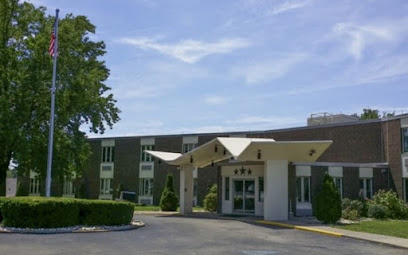
Greenbriar Treatment Center Lighthouse for Women
Washington, PA
- Residential
- MAT
- Sober Living
Substance use treatment · Cognitive behavioral therapy · Dialectical behavior therapy
Accepts: Cash or self-payment, Medicaid
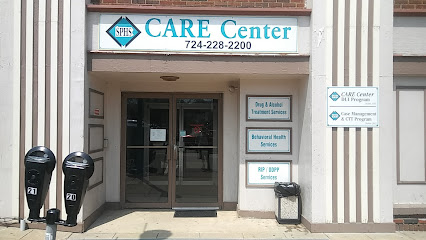
Care Center Inc
Washington, PA
- PHP
- IOP
- MAT
Substance use treatment · Accepts clients on opioid medication but prescribed elsewhere · Cognitive behavioral therapy
Accepts: Cash or self-payment, Medicaid, Medicare
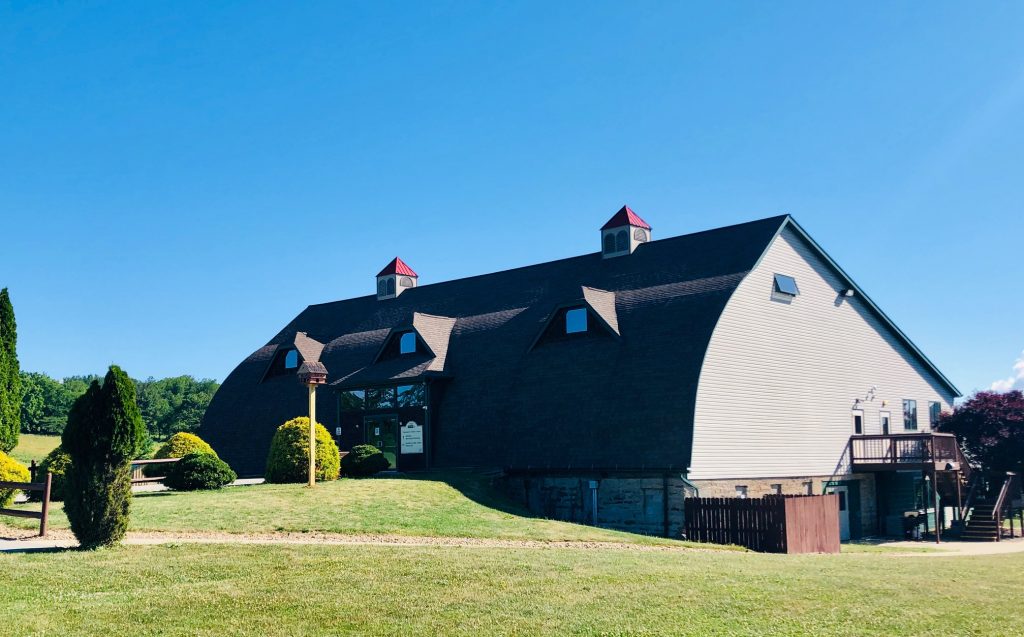
Outside in School of Experiential Education
Washington, PA
- Outpatient
Substance use treatment · Accepts clients on opioid medication but prescribed elsewhere · Cognitive behavioral therapy
Accepts: Cash or self-payment, Medicaid, Private health insurance

Turning Point II Outpatient
Washington, PA
- IOP
Substance use treatment · Accepts clients on opioid medication but prescribed elsewhere · Cognitive behavioral therapy
Accepts: Cash or self-payment, Medicaid, State-financed health insurance plan other than Medicaid
Wesley Family Services Washington Office
Washington, PA
- IOP
- MAT
Substance use treatment · Cognitive behavioral therapy · Dialectical behavior therapy
Accepts: Cash or self-payment, Medicaid, Medicare