

 1 / 3
1 / 3At a Glance
Location
2655 Ashmun Street, Sault Sainte Marie, MI 49783
Phone
906-632-2522Primary Focus
Treatment Settings
Treatment Approaches
Special Programs
About Great Lakes Recovery Centers Inc New Hope House for Women
Great Lakes Recovery Centers New Hope House for Women is a CARF-accredited residential treatment and outpatient program in Sault Sainte Marie, Michigan, dedicated exclusively to women navigating addiction recovery. The program integrates Cognitive Behavioral Therapy and trauma-informed care to address co-occurring trauma and PTSD alongside substance abuse treatment, with flexible payment options including Medicaid and sliding scale fees.
Great Lakes Recovery Centers New Hope House for Women is a CARF-accredited residential recovery center located at 2655 Ashmun Street in Sault Sainte Marie, Michigan. Operating under the broader Great Lakes Recovery Centers network, New Hope House is designed specifically for women seeking structured, longer-term addiction treatment in Michigan's Upper Peninsula. The facility holds dual certification from both MARR (Michigan Association of Recovery Residences) and NARR (National Alliance for Recovery Residences), signaling a commitment to recognized recovery residence standards that goes beyond what most treatment centers carry.
New Hope House offers two primary levels of care: residential treatment and an outpatient program. The residential track provides women with an immersive, community-based recovery environment, while the outpatient program supports those who are stepping down from residential care or who need ongoing substance abuse treatment while maintaining daily responsibilities. Together, these two levels of care create a continuum that can carry a woman from early recovery through longer-term stability.
Cognitive Behavioral Therapy (CBT) anchors the clinical work at New Hope House, giving residents practical tools to identify and reshape the thought patterns that drive addictive behavior. The program also formally addresses Trauma and PTSD as co-occurring conditions, reflecting an understanding that unresolved trauma is frequently intertwined with substance use disorders. This dual focus on addiction treatment and trauma recovery sets New Hope House apart from programs that treat only the surface-level substance use.
New Hope House serves women exclusively, including women who are Deaf or hard of hearing — a population that is often underserved within the addiction treatment system. Payment access is broad: the program accepts Medicaid, private insurance, self-pay and cash, and a sliding scale fee structure, reducing financial barriers for women across different economic circumstances. For women in Chippewa County and the surrounding region who are looking for a gender-specific recovery community with recognized residential standards and trauma-informed care, New Hope House represents a purposeful long-term recovery option.
Women-Centered Residential Treatment in Michigan's Upper Peninsula
New Hope House for Women operates as a gender-specific residential treatment program under the Great Lakes Recovery Centers network in Sault Sainte Marie, Michigan. For women in Chippewa County and the broader Upper Peninsula region, finding a residential recovery center that addresses their specific needs — including the high prevalence of trauma histories among women entering addiction treatment — has historically meant traveling significant distances. New Hope House fills that gap locally.
The residential program is certified by both the Michigan Association of Recovery Residences (MARR) and the National Alliance for Recovery Residences (NARR), two of the most respected credentialing bodies for recovery housing in the country. These certifications reflect a commitment to maintaining quality recovery residence standards that support long-term sobriety, not just short-term stabilization.
From Residential Care to Outpatient Recovery: A Continuum of Support
One of the practical advantages of New Hope House is the availability of both residential treatment and an outpatient program within the same organization. Women who complete the residential phase of care can transition into the outpatient program, maintaining clinical support and community connection as they begin reintegrating into daily life. This kind of internal step-down pathway reduces the disruption that can occur when someone moves between unconnected providers at a vulnerable point in their recovery.
The outpatient program also serves women who are earlier in their recovery journey but do not require full residential placement, or who are balancing family and work obligations alongside their substance abuse treatment. Across both levels of care, Cognitive Behavioral Therapy provides a consistent clinical framework, helping women build durable coping skills that carry forward beyond the formal treatment period.
Trauma-Informed Addiction Treatment for Women
New Hope House formally identifies Trauma and PTSD as conditions treated within its programs — a distinction that matters for women whose substance use is rooted in unresolved trauma. Many residential rehab programs address trauma incidentally; New Hope House treats it as a primary clinical concern alongside addiction recovery. Cognitive Behavioral Therapy, the confirmed therapeutic method used at the facility, is well-suited to this dual focus, offering structured techniques for processing both traumatic experiences and substance use patterns.
For women entering recovery with complex histories, this integrated approach means they are not asked to compartmentalize their trauma while working on their addiction — a compartmentalization that often undermines long-term recovery outcomes. The program's recognition of trauma as central, rather than peripheral, reflects the realities of the population it serves.
Paying for Treatment at New Hope House
Financial barriers are among the most common reasons women delay or avoid entering residential addiction treatment. New Hope House accepts Medicaid, private insurance, self-pay and cash, and a sliding scale fee structure — a combination that provides meaningful access across a range of economic circumstances. Women relying on Medicaid coverage for addiction treatment have a CARF-accredited residential option available to them without leaving the Upper Peninsula.
The sliding scale fee structure is particularly significant for women who are uninsured or underinsured, as it ties the cost of treatment to a person's ability to pay rather than a fixed rate. Anyone considering New Hope House is encouraged to contact the facility directly at (906) 228-9699 or visit greatlakesrecovery.org to discuss payment options and program availability.
Why Choose Great Lakes Recovery Centers Inc New Hope House for Women
- Gender-specific residential treatment designed exclusively for women, including women who are Deaf or hard of hearing
- Dual MARR and NARR certification — recognized recovery residence standards rarely held by a single program
- Formal trauma and PTSD treatment integrated alongside addiction recovery, not offered as an afterthought
- CARF accreditation combined with a Medicaid and sliding-scale payment structure, broadening access to quality residential care
- A continuum from residential treatment to outpatient program within one organization, supporting women through multiple stages of recovery
Frequently Asked Questions
What levels of care does New Hope House for Women offer?
New Hope House offers two levels of care: residential treatment and an outpatient program. The residential program provides full-time, community-based addiction treatment, while the outpatient program supports women who are stepping down from residential care or who need ongoing treatment while managing daily life responsibilities.
Who is eligible for treatment at New Hope House?
New Hope House serves women exclusively, including women who are Deaf or hard of hearing. The program is designed for women seeking residential or outpatient addiction treatment and recovery support in Michigan's Upper Peninsula.
Does New Hope House treat trauma and PTSD alongside addiction?
Yes. Trauma and PTSD are formally identified as conditions treated at New Hope House. The program uses Cognitive Behavioral Therapy as its primary therapeutic method, which supports treatment of both substance use disorders and trauma-related conditions within the same clinical framework.
What therapeutic approach does New Hope House use?
New Hope House uses Cognitive Behavioral Therapy (CBT) as its confirmed therapeutic method. CBT helps women recognize and change thought patterns and behaviors connected to both addiction and trauma, building skills that support long-term recovery.
What payment options are accepted at New Hope House?
New Hope House accepts Medicaid, private insurance, self-pay and cash, and offers a sliding scale fee structure. The sliding scale option adjusts the cost of treatment based on a person's ability to pay, which helps reduce financial barriers for women across different economic situations.
Is New Hope House accredited or certified?
Yes. New Hope House holds CARF accreditation, which is a widely recognized quality standard in addiction treatment. The facility is also certified by both MARR (Michigan Association of Recovery Residences) and NARR (National Alliance for Recovery Residences), reflecting its commitment to recognized recovery residence standards.
Where is New Hope House for Women located?
New Hope House is located at 2655 Ashmun Street, Sault Sainte Marie, Michigan 49783, in Chippewa County. It operates under the Great Lakes Recovery Centers network. You can reach the facility by phone at (906) 228-9699 or online at greatlakesrecovery.org.
Does New Hope House offer services for women who are Deaf or hard of hearing?
Yes. New Hope House explicitly serves women who are Deaf or hard of hearing, making it one of the few residential addiction treatment programs in the region that acknowledges and accommodates this population.
Can a woman transition from residential treatment to outpatient care at New Hope House?
New Hope House offers both residential treatment and an outpatient program, which means women can move between levels of care within the same organization. This kind of internal continuum helps support ongoing recovery without requiring a transfer to a completely separate provider during a critical transition period.
How does New Hope House compare to other women's rehab programs in Michigan?
New Hope House stands out through its combination of gender-specific residential care, dual MARR and NARR recovery residence certifications, CARF accreditation, formal trauma and PTSD treatment, and broad payment access including Medicaid and sliding scale fees. Few residential programs in Michigan's Upper Peninsula carry this combination of credentials while serving women exclusively.
Nearby Treatment Centers
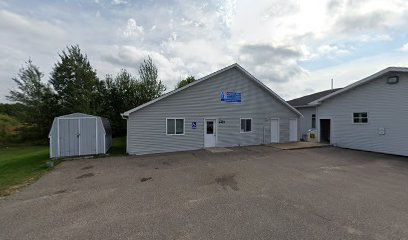
Great Lakes Recovery Centers Inc Sault Saint Marie Outpatient Services
Sault Sainte Marie, MI
- Outpatient
- MAT
Substance use treatment · Accepts clients on opioid medication but prescribed elsewhere · Cognitive behavioral therapy
Accepts: Cash or self-payment, Medicaid, State-financed health insurance plan other than Medicaid
Sault Tribe Health and Human Services Behavioral Health Program
Sault Sainte Marie, MI
- Outpatient
- Sober Living
Substance use treatment · Accepts clients on opioid medication but prescribed elsewhere · Cognitive behavioral therapy
Accepts: Cash or self-payment, Medicaid, Medicare
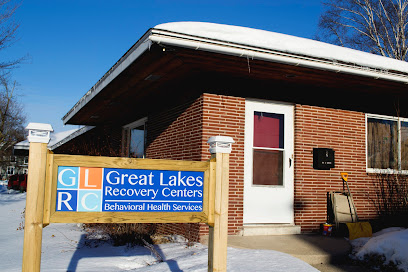
Great Lakes Recovery Centers Inc New Hope House for Men
Sault Sainte Marie, MI
- Detox
- Residential
- MAT
- Sober Living
Substance use treatment · Accepts clients on opioid medication but prescribed elsewhere · Cognitive behavioral therapy
Accepts: Cash or self-payment, Medicaid, State-financed health insurance plan other than Medicaid
Hiawatha Behavioral Health Authority
Sault Sainte Marie, MI
- Outpatient
- MAT
Substance use treatment · Cognitive behavioral therapy · Dialectical behavior therapy
Accepts: Cash or self-payment, Medicaid, Medicare
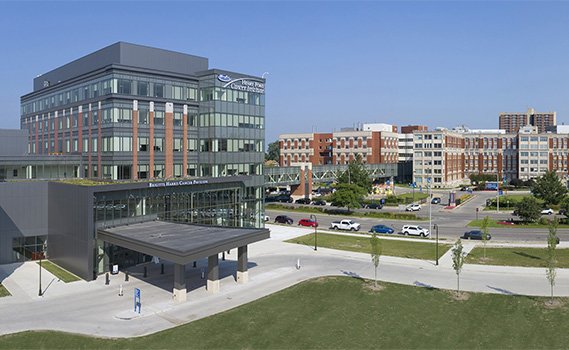
Bay Mills Health Center Substance Abuse Program
Brimley, MI
- Outpatient
- MAT
Substance use treatment · Accepts clients on opioid medication but prescribed elsewhere · Cognitive behavioral therapy
Accepts: Cash or self-payment, Medicaid, Medicare
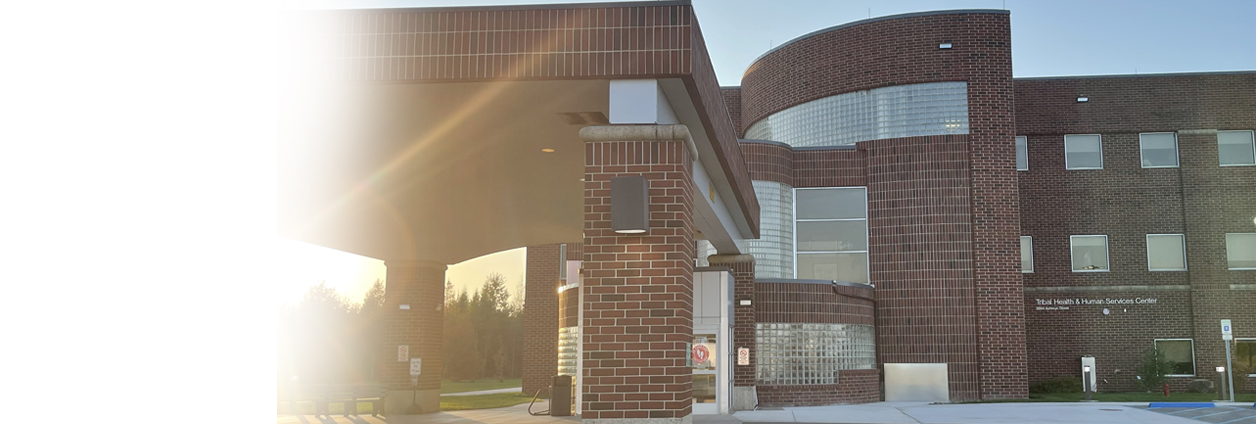
Sault Tribe Health and Human Services Behavioral Health Program
Saint Ignace, MI
- Outpatient
Substance use treatment · Accepts clients on opioid medication but prescribed elsewhere · Cognitive behavioral therapy
Accepts: Cash or self-payment, Medicaid, Medicare