

 1 / 2
1 / 2At a Glance
Primary Focus
Treatment Settings
Treatment Approaches
About Grand Prairie Services
Grand Prairie Services is a not-for-profit outpatient clinic in Chicago Heights, IL, offering Outpatient and Intensive Outpatient Programs for adults navigating addiction and co-occurring behavioral health needs. With CARF and NCQA accreditations and a broad range of accepted payment options, GPS serves a wide cross-section of the South Suburban Cook County community — including veterans, young adults, seniors, and court-involved individuals.
Grand Prairie Services (GPS) is a not-for-profit, CARF- and NCQA-accredited outpatient clinic located at 450 West 14th Street in Chicago Heights, Illinois, serving residents of Cook County and the surrounding South Suburban region, including Tinley Park. As an integrated behavioral healthcare organization, GPS is built on the belief that living a healthy, balanced life should be accessible to everyone — framing recovery not as a single event but as an ongoing process supported by the right community and clinical resources.
At the outpatient level, GPS offers both a standard Outpatient Program and an Intensive Outpatient Program (IOP). The IOP is particularly well-suited for individuals who need structured, multi-session support each week while continuing to live at home and maintain work, school, or family responsibilities — a bridge between more intensive residential care and fully independent recovery. Both program tracks address substance abuse treatment alongside co-occurring disorders, recognizing that mental health and addiction recovery are deeply interconnected.
GPS treats co-occurring disorders and trauma/PTSD as primary clinical concerns, not secondary considerations. Cognitive Behavioral Therapy (CBT) is a confirmed therapeutic method used within programming, providing clients with practical, skills-based tools for managing thought patterns and behavioral responses tied to addiction and mental health. On-site amenities include an on-site pharmacy, a Whole Health and Wellness Center, a Genoa Healthcare Center, and a 24-hour crisis center — plus 590 Mobile Crisis Care Services for individuals who need support in the field.
Grand Prairie Services is built to serve a genuinely diverse recovery community. Confirmed populations include veterans (with TRICARE accepted as a payment option), pregnant women, young adults ages 18–25, seniors and older adults, men, women, individuals living with HIV/AIDS, and those who are court-ordered into treatment. Payment access is broad — Medicaid, Medicare, private insurance, TRICARE, self-pay, sliding scale fees, and state insurance are all accepted — removing financial barriers that too often interrupt long-term recovery.
Outpatient & IOP Recovery Programs in Chicago Heights
Grand Prairie Services structures its addiction treatment around two outpatient levels of care: a standard Outpatient Program and an Intensive Outpatient Program (IOP). For individuals transitioning out of residential treatment or stepping down from a higher level of care, the IOP provides the frequency and clinical intensity needed to maintain momentum without requiring an overnight stay. This makes it a practical option for people balancing recovery with jobs, family obligations, or school.
Both tracks integrate co-occurring disorder treatment, meaning clients dealing with trauma, PTSD, or other mental health conditions receive coordinated care alongside their substance abuse treatment. Cognitive Behavioral Therapy (CBT) anchors the clinical approach, giving clients structured, repeatable techniques for recognizing and reshaping patterns that drive addictive behavior. For those building a long-term recovery plan, GPS's outpatient structure offers continuity and community without requiring a break from everyday life.
Who GPS Serves: A Recovery Community Built for Diversity
Grand Prairie Services is one of the few outpatient recovery centers in the Chicago South Suburbs that explicitly programs for such a wide range of populations. Veterans and active-duty families can access services through TRICARE. Pregnant women receive care in a setting that accounts for their specific circumstances. Young adults ages 18–25, seniors, individuals living with HIV/AIDS, and those who are court-ordered into treatment all have confirmed access to GPS's programs.
This breadth matters in long-term recovery, where peer relationships and community connection are often as important as clinical treatment. When a recovery center serves your neighbors, your demographic, and your specific life situation, the work of staying well becomes less isolating. GPS's broad population reach, combined with its sliding-scale and Medicaid/Medicare acceptance, ensures that financial and demographic barriers do not determine who gets to pursue lasting recovery.
Integrated Support Beyond the Therapy Room
What distinguishes Grand Prairie Services from a standard outpatient clinic is the depth of wraparound support built into the facility itself. The on-site pharmacy and Genoa Healthcare Center allow clients to address medication and primary care needs in the same environment where they receive behavioral health services — reducing the logistical friction that can derail recovery progress. The Whole Health and Wellness Center further reflects GPS's integrated healthcare model.
For moments of acute need, the 24-hour crisis center and 590 Mobile Crisis Care Services extend the recovery safety net beyond weekday clinic hours. Recovery does not follow a Monday-through-Friday schedule, and GPS's crisis infrastructure acknowledges that reality. Together, these features position Grand Prairie Services as a long-term recovery partner rather than a one-time clinical stop.
Payment & Access: Removing Barriers to Addiction Treatment
Cost is one of the most frequently cited reasons people delay or discontinue addiction treatment. Grand Prairie Services accepts an unusually wide range of payment sources for an outpatient program: Medicaid, Medicare, private insurance, TRICARE, self-pay and cash options, sliding-scale fees, and state insurance. This range means that clients across income levels — including those relying on public benefits or veterans' coverage — have a realistic path to accessing care.
The sliding-scale fee structure is particularly relevant for individuals in early recovery who may be rebuilding financial stability. Rather than requiring full payment upfront, GPS adjusts costs based on ability to pay, keeping the door to sustained substance abuse treatment open for those who might otherwise go without. To start the intake process, prospective clients and families can reach GPS directly at (708) 444-1012 or by email at [email protected].
Why Choose Grand Prairie Services
- Dual CARF and NCQA accreditation signals a higher standard of accountability in outpatient addiction treatment and behavioral healthcare
- On-site pharmacy and Genoa Healthcare Center mean clients can manage prescriptions and integrated health needs without leaving the facility
- 24-hour crisis center and 590 Mobile Crisis Care Services provide a recovery safety net beyond standard clinic hours
- Explicitly serves veterans (TRICARE accepted), pregnant women, seniors, young adults, and court-ordered clients — making GPS one of the more broadly inclusive outpatient programs in Cook County
- Trauma and PTSD are treated as co-primary diagnoses alongside substance use, reflecting a whole-person model of sustained recovery
Frequently Asked Questions
What levels of care does Grand Prairie Services offer for addiction treatment?
Grand Prairie Services offers two outpatient levels of care: a standard Outpatient Program and an Intensive Outpatient Program (IOP). The IOP is designed for individuals who need a higher frequency of structured sessions while continuing to live at home. Both tracks address substance abuse treatment and co-occurring behavioral health conditions.
Does Grand Prairie Services treat co-occurring mental health conditions alongside addiction?
Yes. Co-occurring disorders and dual diagnosis are confirmed conditions treated at Grand Prairie Services. Trauma and PTSD are also explicitly addressed. This integrated approach means clients do not have to choose between mental health care and addiction recovery — both are treated together.
What therapy methods does Grand Prairie Services use in its outpatient programs?
Cognitive Behavioral Therapy (CBT) is a confirmed therapeutic method used in Grand Prairie Services' programming. CBT is a structured, skills-based approach that helps clients identify and change thought patterns and behaviors connected to substance use and mental health challenges.
What populations does Grand Prairie Services specifically serve?
Grand Prairie Services serves a broad range of populations, including veterans, pregnant women, young adults ages 18–25, seniors and older adults, men, women, individuals living with HIV/AIDS, and those who are court-ordered into treatment. This diverse focus makes GPS one of the more inclusive outpatient recovery programs in Cook County.
Does Grand Prairie Services accept Medicaid, Medicare, or veterans' insurance?
Yes. Grand Prairie Services accepts Medicaid, Medicare, TRICARE, private insurance, state insurance, self-pay/cash, and sliding-scale fees. This broad payment access is designed to reduce financial barriers to long-term addiction treatment and recovery.
Is Grand Prairie Services accredited?
Grand Prairie Services holds both CARF and NCQA accreditations. These dual accreditations reflect independent evaluations of the organization's quality of care, operational standards, and clinical practices — providing an added layer of accountability for individuals and families choosing a recovery center.
What makes the Intensive Outpatient Program (IOP) at GPS a good fit for ongoing recovery?
The IOP at Grand Prairie Services offers a higher level of structured clinical support than standard outpatient care, making it well-suited for individuals transitioning from residential treatment or those who need more intensive engagement while living at home. It allows clients to maintain work, family, and daily routines while staying connected to a treatment community.
Does Grand Prairie Services offer crisis support outside of regular clinic hours?
Yes. Grand Prairie Services operates a 24-hour crisis center and provides 590 Mobile Crisis Care Services, which extend support into the community for individuals in acute need. The clinic's regular hours are Monday through Friday, 9:00 AM to 5:00 PM, but crisis resources are available around the clock.
Where is Grand Prairie Services located and what areas does it serve?
Grand Prairie Services is located at 450 West 14th Street in Chicago Heights, Illinois (Cook County), with a service area that includes Tinley Park, IL. The facility's website also references service to surrounding South Suburban communities in the Chicago area.
How do I start the intake process at Grand Prairie Services?
To begin the intake process, you can contact Grand Prairie Services by phone at (708) 444-1012 or by email at [email protected]. The clinic is open Monday through Friday from 9:00 AM to 5:00 PM for intake inquiries and scheduling.
Nearby Treatment Centers

Elite Houses of Sober Living Elite Treatment Center
Chicago Heights, IL
- Residential
- IOP
- MAT
- Sober Living
Substance use treatment · SAMHSA-certified Opioid Treatment Program · Cognitive behavioral therapy
Accepts: Cash or self-payment, Medicaid, Medicare
Access Family Health Society
Chicago Heights, IL
- Outpatient
- MAT
Substance use treatment · Cognitive behavioral therapy · Dialectical behavior therapy
Accepts: Cash or self-payment, Medicaid, Medicare

Geo Spotlight Reentry Center
Chicago Heights, IL
- IOP
Substance use treatment · Does not treat opioid addiction · Cognitive behavioral therapy

Elite Houses of Sober Living
Chicago Heights, IL
- Sober Living
Smoking permitted in designated area · State Substance Abuse agency
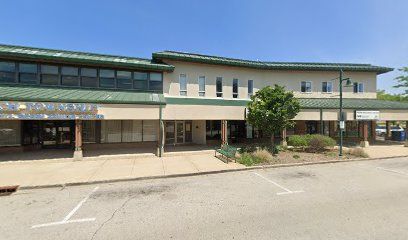
Comgraph Inc
Park Forest, IL
- IOP
Substance use treatment · Accepts clients on opioid medication but prescribed elsewhere · Cognitive behavioral therapy
Accepts: Cash or self-payment, Medicaid, Private health insurance
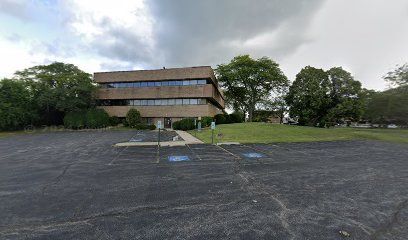
Intercept Programs Inc
Olympia Fields, IL
- Outpatient
Substance use treatment · Does not treat opioid addiction · Cognitive behavioral therapy
Accepts: Cash or self-payment, Sliding fee scale