

 1 / 3
1 / 3At a Glance
Location
329 North Bellevue Street, Memphis, TN 38105
Phone
901-722-8460Primary Focus
Treatment Settings
Treatment Approaches
Special Programs
About Grace House of Memphis
Grace House of Memphis has provided residential treatment for women in recovery since 1976, serving Memphis, TN with a program built around Cognitive Behavioral Therapy, trauma-informed care, and a firm commitment to never turning a woman away because of her ability to pay. The center specializes in co-occurring disorders and dual diagnosis, making it a long-term recovery resource for women who need more than short-term stabilization.
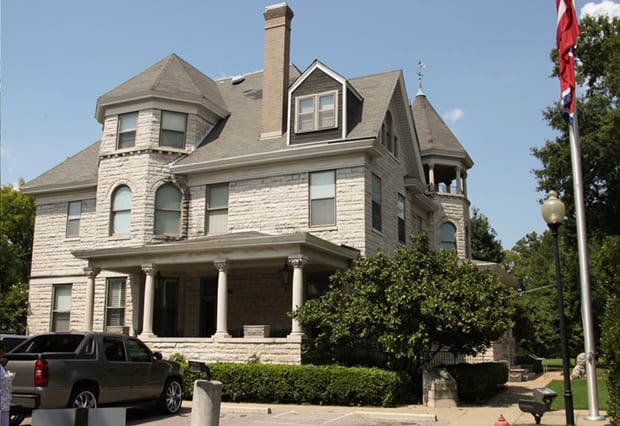
Grace House of Memphis is a women's residential treatment center located at 329 North Bellevue Street in Memphis, Tennessee, founded in 1976 by Pat Stokes. For nearly five decades, the center has operated around a single guiding principle: no woman should be denied access to addiction treatment because of what she can or cannot afford. That commitment has made Grace House a cornerstone of substance abuse treatment in Shelby County and a trusted name in the Memphis recovery community.
The center offers residential treatment as its primary level of care, providing women with an immersive, live-in recovery experience rather than a program they attend and leave each day. Residential treatment at Grace House is designed for women who need sustained structure and support to build the foundation of lasting recovery. The program runs around the clock, seven days a week, reflecting the center's recognition that recovery does not follow business hours.
Cognitive Behavioral Therapy is the confirmed therapeutic backbone of the program, giving residents practical tools to identify and reshape the thought patterns that fuel addictive behavior. Grace House also addresses trauma and PTSD alongside substance use, and is equipped to support women managing co-occurring mental health conditions alongside their addiction — a dual diagnosis approach that is critical for many women entering residential care. The program includes an extended care component after graduation, meaning the support does not end when a resident completes her stay.
Grace House of Memphis specifically serves women, including women who are deaf or hard of hearing, making it one of the few residential treatment programs in the region with that explicit commitment to accessibility. Payment options include self-pay, sliding scale fees, financial assistance, and state insurance, and the center's own stated policy is that ability to pay will not be a barrier to treatment. For women and families in the Memphis area looking for a recovery center with deep community roots and a genuine open-door philosophy, Grace House represents a meaningful choice.
Residential Treatment Built for Women's Long-Term Recovery
Grace House of Memphis offers residential treatment specifically designed for women navigating addiction alongside trauma, mental health challenges, or both. Residential treatment means women live on-site through the core of their recovery work, removing the daily disruptions that can undermine progress in outpatient settings. The program operates 24 hours a day, every day of the week, so residents have continuous access to support throughout their stay.
The residential model at Grace House is particularly well-suited for women dealing with co-occurring disorders — situations where a mental health condition and a substance use disorder are present at the same time. Rather than treating these as separate issues, the program addresses them together, which reflects how recovery actually works for many women in long-term treatment.
Aftercare and the Path Beyond Residential Treatment
Completing a residential program is a significant milestone, but the transition back into daily life carries its own risks. Grace House of Memphis offers an extended care program after graduation, giving women a structured next step rather than an abrupt end to their support. This kind of aftercare is a recognized factor in sustaining recovery outcomes, and it signals that Grace House understands recovery as an ongoing process rather than a fixed finish line.
For families supporting a woman through recovery, the existence of post-residential extended care means there is a continuation of community and accountability built into the program's design. Women leaving residential treatment at Grace House move forward with an established connection to the program rather than stepping out alone.
Cognitive Behavioral Therapy and Trauma-Informed Care
Cognitive Behavioral Therapy is the confirmed therapeutic method at Grace House of Memphis, a structured approach that helps women identify the beliefs and behavioral patterns connected to their substance use. CBT is particularly effective when trauma is part of the picture, and Grace House explicitly treats trauma and PTSD alongside addiction — making it a clinically appropriate choice for women whose recovery needs go beyond substance use alone.
The center's focus on dual diagnosis means women managing both a mental health condition and a substance use disorder are not asked to choose which issue gets addressed. Both are treated within the same residential program, which is essential for sustainable recovery in populations where co-occurring conditions are common.
Access to Treatment Regardless of Ability to Pay
Grace House of Memphis states plainly that it does not turn a woman away because of her ability to pay for treatment. This is not a footnote — it is a founding principle of the organization, one that Pat Stokes built into the program's identity when she established the center in 1976. Payment options include self-pay, sliding scale fees, financial assistance, and state insurance, giving women and families multiple pathways to access residential care.
For many women seeking addiction treatment in Memphis, cost is the barrier that delays or prevents getting help. Grace House's open-door financial policy, combined with its nearly five decades of operation, makes it a recovery center that the broader Memphis community has been able to rely on across generations.
Why Choose Grace House of Memphis
- Founded in 1976 — one of Memphis's longest-standing women's residential treatment programs
- Explicit policy that no woman is turned away due to inability to pay, backed by sliding scale fees, financial assistance, and state insurance
- Dual diagnosis and trauma/PTSD treatment integrated into residential care — not a separate add-on
- Serves deaf and hard-of-hearing women, a population rarely addressed in residential substance abuse treatment
- Extended care program after graduation provides a structured bridge to ongoing recovery
Frequently Asked Questions
What level of care does Grace House of Memphis provide?
Grace House of Memphis provides residential treatment, which means women live at the facility throughout their program. This level of care offers around-the-clock support, seven days a week, and is designed for women who need sustained structure as the foundation of their recovery.
Who does Grace House of Memphis serve?
Grace House of Memphis specifically serves women, including women who are deaf or hard of hearing. The program is designed to address the particular needs of women in recovery, including trauma, PTSD, and co-occurring mental health conditions alongside substance use disorders.
Does Grace House of Memphis offer any support after residential treatment ends?
Yes. Grace House of Memphis offers an extended care program after graduation from residential treatment. This aftercare component is built into the program's structure and is designed to support women as they transition out of the residential setting and into their ongoing recovery.
What happens if I can't afford treatment at Grace House of Memphis?
Grace House of Memphis does not turn a woman away because of her inability to pay for treatment. The center accepts self-pay, offers a sliding scale fee structure, provides financial assistance, and accepts state insurance. Prospective residents are encouraged to contact the center directly to discuss their options at (901) 722-8460.
What therapeutic approaches are used at Grace House of Memphis?
Cognitive Behavioral Therapy is the confirmed therapeutic method used at Grace House of Memphis. CBT helps women identify and work through the thought and behavior patterns connected to their substance use, and it is well-suited for use alongside trauma and dual diagnosis treatment.
Does Grace House of Memphis treat co-occurring mental health conditions?
Yes. Grace House of Memphis treats co-occurring disorders and dual diagnosis, meaning women dealing with both a substance use disorder and a mental health condition receive integrated care within the same residential program. The center also specifically addresses trauma and PTSD as part of its treatment focus.
How long has Grace House of Memphis been operating?
Grace House of Memphis was founded in 1976 by Pat Stokes, making it one of the longest-running women's residential treatment programs in the Memphis area. The center has served women in recovery in Shelby County for nearly five decades.
Is Grace House of Memphis open around the clock?
Yes. Grace House of Memphis operates 24 hours a day, seven days a week. As a residential treatment program, the center provides continuous, on-site support to women throughout their stay in recovery.
Where is Grace House of Memphis located?
Grace House of Memphis is located at 329 North Bellevue Street in Memphis, Tennessee 38105. The center can be reached by phone at (901) 722-8460, and more information is available at gracehouseofmemphis.org.
Does Grace House of Memphis accommodate women who are deaf or hard of hearing?
Yes. Grace House of Memphis explicitly serves women who are deaf or hard of hearing as a recognized population within its residential treatment program. This makes it one of the few women's residential treatment centers in the region with a stated commitment to serving this population.
Nearby Treatment Centers
Downtown Memphis Ministry Inc DBA Judicare
Memphis, TN
- PHP
- IOP
- MAT
- Sober Living
Substance use treatment · Accepts clients on opioid medication but prescribed elsewhere · Cognitive behavioral therapy
Accepts: Active duty military

Memphis Recovery Centers Inc Adult Services
Memphis, TN
- Detox
- Residential
- PHP
- IOP
Substance use treatment · Does not use medication for opioid addiction · Accepts clients on opioid medication but prescribed elsewhere
Accepts: Cash or self-payment, Medicaid, State-financed health insurance plan other than Medicaid
Serenity Recovery Centers Inc
Memphis, TN
- PHP
- IOP
- MAT
- Sober Living
Substance use treatment · Accepts clients on opioid medication but prescribed elsewhere · Cognitive behavioral therapy
Accepts: Cash or self-payment, Medicaid, State-financed health insurance plan other than Medicaid
Serenity Recovery Centers Inc
Memphis, TN
- Residential
- PHP
- IOP
- MAT
Substance use treatment · Accepts clients on opioid medication but prescribed elsewhere · Cognitive behavioral therapy
Accepts: Cash or self-payment, Medicaid, State-financed health insurance plan other than Medicaid
Grace House of Memphis Extended
Memphis, TN
- Residential
- IOP
- Sober Living
Substance use treatment · Accepts clients on opioid medication but prescribed elsewhere · Cognitive behavioral therapy
Accepts: Cash or self-payment, State-financed health insurance plan other than Medicaid, Sliding fee scale
Veterans Affairs Medical Center Mental Health Service Chemical Dep Ctr
Memphis, TN
- Residential
- PHP
- IOP
- MAT
Substance use treatment · Cognitive behavioral therapy · Dialectical behavior therapy
Accepts: Cash or self-payment, Medicaid, Medicare