

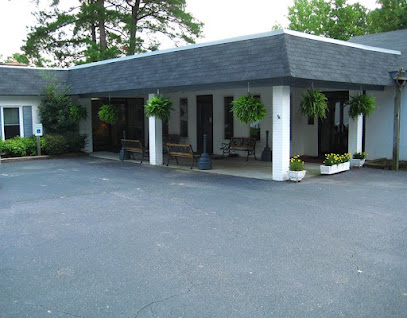
At a Glance
Location
19147 Highway 9, Ruby, SC 29741
Phone
843-634-6848Primary Focus
Treatment Settings
Treatment Approaches
Special Programs
About Good Samaritan Colony Substance Abuse Center
Good Samaritan Colony Substance Abuse Center provides men-focused residential treatment in Ruby, South Carolina, offering a 28-day program that combines 12-step facilitation with CBT and family counseling. This recovery center serves court-ordered clients and underserved populations with financial assistance and treatment scholarships available.
Good Samaritan Colony Substance Abuse Center has served the Ruby, South Carolina community since 1975, operating as a residential treatment facility specifically designed for men seeking recovery from substance use disorders. Located on Highway 9 in Chesterfield County, this recovery center maintains separate facilities for men and women, including the 14-bed SECU Women's Recovery Center and the Recovering Moore Resource Center.
The residential treatment program spans 28 days and integrates multiple therapeutic approaches including 12-step facilitation, Cognitive Behavioral Therapy (CBT), and group therapy sessions. Family counseling forms a cornerstone of their treatment model, recognizing that lasting recovery extends beyond individual work. The program also incorporates life skills training and recreational therapy to prepare clients for sustained sobriety after completing residential treatment.
Under the clinical direction of Barry Hill, MA, LCAS, the treatment team includes licensed clinicians and certified addiction counselors who work with clients through structured programming. The center's approach emphasizes both clinical intervention and peer support, creating a recovery community environment that addresses the underlying patterns of addiction while building practical skills for long-term sobriety.
Good Samaritan Colony specializes in serving men, including those entering treatment through court orders and individuals from underserved populations. The nonprofit facility offers treatment scholarships and financial assistance, making addiction treatment accessible regardless of economic circumstances. Their aftercare planning includes recovery housing options and ongoing counseling support, ensuring clients have resources for maintaining their recovery after completing the residential program.
Residential Treatment Programs
Good Samaritan Colony operates a 28-day residential treatment program designed specifically for men recovering from substance use disorders and chemical dependency. The program combines traditional 12-step facilitation with modern therapeutic approaches including Cognitive Behavioral Therapy and structured group therapy sessions.
Clinical Director Barry Hill, MA, LCAS, leads a team of licensed professionals including LCSW and CADC-credentialed clinicians who provide individual and group counseling throughout the residential stay. The program emphasizes family involvement through dedicated family counseling sessions, recognizing that addiction impacts entire family systems and recovery benefits from family participation.
Recovery Community and Aftercare Support
The center's approach extends beyond the 28-day residential program through comprehensive aftercare planning and ongoing recovery support. Clients work with staff to develop detailed aftercare plans that may include recovery housing arrangements and continued counseling services to support long-term sobriety goals.
Located in the rural Sandhills region, Good Samaritan Colony serves clients throughout North Carolina and South Carolina, creating connections within the broader recovery community. The facility's focus on life skills training and recreational therapy helps clients build healthy routines and relationships that support sustained recovery after completing residential treatment.
Specialized Populations and Financial Access
Good Samaritan Colony has developed particular expertise in working with court-ordered clients and individuals from underserved populations who may face barriers to accessing addiction treatment. Executive Director Mark Christopher, CPSS, oversees programs that ensure treatment remains accessible through various financial assistance options.
The nonprofit facility offers treatment scholarships for qualifying individuals, removing financial obstacles that might prevent someone from entering recovery. This commitment to serving diverse populations reflects the center's mission-driven approach to addiction treatment in the underserved rural communities of the Sandhills region.
Why Choose Good Samaritan Colony Substance Abuse Center
- Men-focused residential treatment with separate gender-specific facilities since 1975
- 28-day structured program combining 12-step facilitation with CBT and family counseling
- Serves court-ordered clients and underserved populations with treatment scholarships available
- Comprehensive aftercare planning including recovery housing and ongoing counseling support
- Nonprofit organization providing accessible addiction treatment in rural South Carolina
Frequently Asked Questions
What is the length of the residential treatment program at Good Samaritan Colony?
Good Samaritan Colony offers a 28-day residential treatment program for men. The program includes daily therapeutic activities, group sessions, and individual counseling throughout the residential stay.
Does Good Samaritan Colony accept court-ordered clients?
Yes, Good Samaritan Colony specifically serves court-ordered clients as one of their specialized populations. They have experience working with individuals entering treatment through the legal system and understand the unique considerations for court-mandated addiction treatment.
What therapeutic approaches are used in the residential program?
The treatment program combines 12-step facilitation with Cognitive Behavioral Therapy (CBT), group therapy, and family counseling. Additional programming includes life skills training and recreational therapy to support comprehensive recovery preparation.
Are there financial assistance options available for treatment?
Good Samaritan Colony offers treatment scholarships and financial assistance for qualifying individuals. As a nonprofit organization, they work to make addiction treatment accessible regardless of economic circumstances.
Does the facility provide separate treatment for men and women?
Yes, Good Samaritan Colony operates separate facilities for men and women, including the 14-bed SECU Women's Recovery Center. This gender-specific approach allows for tailored programming that addresses the unique needs of each population.
What aftercare support is available after completing residential treatment?
The center provides comprehensive aftercare planning that includes recovery housing assistance and aftercare counseling services. Staff work with each client to develop individualized plans for maintaining sobriety after completing the 28-day residential program.
What geographic areas does Good Samaritan Colony serve?
Located in Ruby, South Carolina, Good Samaritan Colony serves clients throughout the Sandhills region, North Carolina, and the broader Ruby, SC area. The facility has been providing addiction treatment to these communities since 1975.
Who leads the clinical team at Good Samaritan Colony?
Barry Hill, MA, LCAS serves as Clinical Director, overseeing a team that includes licensed clinicians with LCSW and CADC credentials. Executive Director Mark Christopher, CPSS provides overall program leadership for the facility.
Nearby Treatment Centers
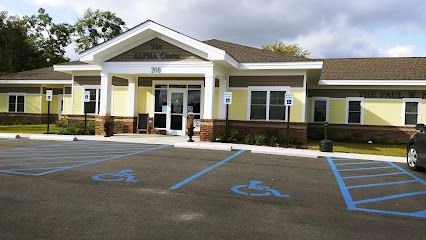
ALPHA Behavioral Health Center
Chesterfield, SC
- Outpatient
- MAT
Substance use treatment · Accepts clients on opioid medication but prescribed elsewhere · Cognitive behavioral therapy
Accepts: Cash or self-payment, Medicaid, State-financed health insurance plan other than Medicaid
Ace Recovery for Men
Chesterfield, SC
- Residential
- Sober Living
Substance use treatment · Does not use medication for opioid addiction · Cognitive behavioral therapy
Accepts: Cash or self-payment
Rubicon Family Counseling Center
Hartsville, SC
- IOP
- MAT
Substance use treatment · Accepts clients on opioid medication but prescribed elsewhere · Cognitive behavioral therapy
Accepts: Cash or self-payment, Medicaid, State-financed health insurance plan other than Medicaid
Darlington County Clinic
Hartsville, SC
- Outpatient
Substance use treatment · Does not treat opioid addiction · Cognitive behavioral therapy
Accepts: Cash or self-payment, Medicaid, Medicare
Starting Point of Darlington
Hartsville, SC
- Detox
- Outpatient
- MAT
Substance use treatment · All Clients in Opioid Treatment Program · SAMHSA-certified Opioid Treatment Program
Accepts: Cash or self-payment, Medicaid, Private health insurance
Counseling Services of Lancaster
Lancaster, SC
- IOP
- MAT
Substance use treatment · Accepts clients on opioid medication but prescribed elsewhere · Cognitive behavioral therapy
Accepts: Cash or self-payment, Medicaid, State-financed health insurance plan other than Medicaid