


At a Glance
Primary Focus
Treatment Settings
Treatment Approaches
Special Programs
About Galilee Mission (GMF2) IOP
Galilee Mission in Wakefield, Rhode Island, offers residential treatment and outpatient programming for adults working toward lasting recovery from problematic dependence on drugs and alcohol. Serving men across multiple life stages — including young adults, older adults, and court-ordered individuals — the center addresses co-occurring disorders and trauma alongside substance use treatment.
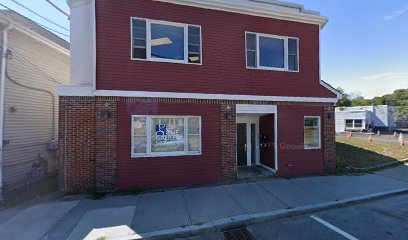
Galilee Mission is a substance use treatment center located at 23 Arnold Street in Wakefield, Rhode Island, providing recovery and hope to adults who have problematic dependence on drugs and/or alcohol. Rooted in Washington County, it stands out as a dedicated recovery community resource for men navigating both addiction and the underlying conditions that often accompany it, including trauma, PTSD, and co-occurring mental health disorders. The center's direct mission — recovery and hope — shapes every level of care it provides.
The facility offers two distinct levels of care: residential treatment and an outpatient program. Residential treatment provides a structured living environment where random drug screening reinforces treatment goals, and the program is designed to support men through the sustained, day-to-day work of early and ongoing recovery. The outpatient program extends that continuum, allowing individuals to maintain engagement with treatment while beginning to reintegrate into daily life — a critical bridge in the longer recovery journey.
Cognitive Behavioral Therapy (CBT) is a confirmed part of the therapeutic approach at Galilee Mission. CBT equips people in recovery with practical skills to identify and reshape the thought patterns that drive substance use, making it a well-suited method for addressing both addiction and the co-occurring disorders — including trauma and PTSD — that the center treats. This focus on underlying conditions reflects an understanding that sustainable recovery requires more than abstinence alone.
Galilee Mission serves men, with specific programming capacity for young adults ages 18 to 25, seniors and older adults, and individuals referred through the court system. Payment options include Medicaid, state insurance, private insurance, and self-pay, broadening access for men at different financial circumstances. For those evaluating a long-term recovery partner rather than a single episode of care, Galilee Mission's dual residential and outpatient structure offers a genuine continuum within one community-oriented setting.
Residential Treatment at Galilee Mission
Galilee Mission's residential treatment program places men inside a recovery-focused environment where the work of change happens daily. Random drug screening at this level is built into the structure, reinforcing treatment goals and helping residents build accountability as a foundational recovery skill. Within a short time, as the center's own language puts it, recovery becomes visible — both to staff and to the men doing the work.
Residential treatment is well suited for adults who need more than periodic appointments to stabilize their recovery. Living within the program allows for consistent engagement with therapeutic support, peer community, and the routines that early recovery often requires. For men dealing with co-occurring conditions like trauma or PTSD alongside substance use, the residential setting provides time and continuity that a single outpatient visit cannot replicate.
Outpatient Program: Continuing the Recovery Journey
Galilee Mission's outpatient program extends the recovery continuum for men who are ready to step down from residential care or who enter treatment at a less intensive level. Outpatient programming allows individuals to stay connected to structured addiction treatment while managing responsibilities outside the facility — work, family, or community obligations that are part of a realistic, long-term recovery plan.
For the Sober Nation audience evaluating aftercare and ongoing recovery options, an outpatient program at a center that also provides residential treatment is a meaningful advantage. It means the transition between levels of care happens within a familiar environment, with consistent clinical grounding in Cognitive Behavioral Therapy and a treatment team already familiar with the individual's history and co-occurring conditions.
Who Galilee Mission Serves
The center's population focus is specific: men. Within that group, Galilee Mission has confirmed capacity to serve young adults between 18 and 25, seniors and older adults, and individuals entering treatment through the court system. Each of these groups brings different pressures and life circumstances to recovery, and a center that acknowledges those distinctions is better positioned to provide care that actually fits.
Co-occurring disorders and trauma or PTSD are treated as primary clinical concerns at Galilee Mission — not afterthoughts. For men whose substance use is entangled with unresolved trauma or mental health conditions, finding a substance abuse treatment program that addresses both is often the deciding factor in whether recovery holds over time.
Payment and Access
Galilee Mission accepts Medicaid, state insurance, private insurance, and self-pay options. This range of accepted payment methods reflects a commitment to serving men who might otherwise face financial barriers to entering residential or outpatient addiction treatment.
For individuals and families researching recovery options in Washington County, Rhode Island, the combination of accessible payment options and a dual residential-outpatient structure makes Galilee Mission worth a direct conversation. Prospective residents or their family members can reach the center by email at [email protected] or through the website at galileemission.net to learn more about current availability and admission.
Why Choose Galilee Mission (GMF2) IOP
- Serves men across life stages — young adults (18-25), older adults, and court-ordered individuals — within one focused recovery community
- Treats co-occurring disorders and trauma/PTSD alongside substance use, not as a secondary concern
- Offers both residential treatment and an outpatient program, creating a genuine continuum of care within a single center
- CBT-grounded therapy targets the thought patterns behind addiction and dual-diagnosis conditions
- Accepts Medicaid, state insurance, private insurance, and self-pay, supporting access across a range of financial situations
Frequently Asked Questions
What levels of care does Galilee Mission offer for addiction treatment?
Galilee Mission provides two levels of care: residential treatment and an outpatient program. Residential treatment offers a structured, live-in recovery environment, while the outpatient program supports men who are stepping down from residential care or beginning treatment at a less intensive level. Together, these form a continuum that can support multiple stages of the recovery journey.
Does Galilee Mission treat co-occurring mental health conditions alongside substance use?
Yes. Co-occurring disorders and dual diagnosis are confirmed conditions treated at Galilee Mission. The center also addresses trauma and PTSD, recognizing that sustainable recovery often requires treating underlying mental health conditions at the same time as substance use.
What therapeutic approach does Galilee Mission use?
Cognitive Behavioral Therapy (CBT) is a confirmed therapeutic method at Galilee Mission. CBT helps individuals identify and change the thought patterns that contribute to substance use and co-occurring conditions, making it a practical tool for both residential and outpatient recovery work.
Who does Galilee Mission serve?
Galilee Mission serves men, including young adults ages 18 to 25, seniors and older adults, and individuals who are court-ordered into treatment. The center's focus on a specific population allows it to tailor care to the distinct circumstances men at different life stages bring to recovery.
Does Galilee Mission accept Medicaid or insurance for addiction treatment?
Yes. Galilee Mission accepts Medicaid, state insurance, private insurance, and self-pay. This range of payment options is designed to make residential and outpatient addiction treatment accessible to men who might otherwise face financial obstacles to getting help.
Where is Galilee Mission located?
Galilee Mission is located at 23 Arnold Street in Wakefield, Rhode Island, in Washington County. The center can be reached by email at [email protected] or through its website at galileemission.net.
Is Galilee Mission appropriate for someone stepping down from a higher level of care?
Galilee Mission's outpatient program is well positioned to serve men transitioning out of residential treatment, whether from within the same facility or from another program. Continuity of therapeutic support during a step-down is an important factor in long-term recovery, and having both levels of care available at one center supports that continuity.
Does Galilee Mission work with court-ordered individuals?
Yes. Court-ordered individuals are among the confirmed populations served at Galilee Mission. The center's residential and outpatient programs are structured to support men entering treatment through the legal system alongside those seeking care voluntarily.
Nearby Treatment Centers
Galilee Mission Inc
Narragansett, RI
- Residential
- IOP
- Sober Living
Substance use treatment · Accepts clients on opioid medication but prescribed elsewhere · Cognitive behavioral therapy
Accepts: Cash or self-payment, Medicaid, State-financed health insurance plan other than Medicaid

CODAC Behavioral Healthcare II South County
Wakefield, RI
- Detox
- Outpatient
- MAT
Substance use treatment · All Clients in Opioid Treatment Program · SAMHSA-certified Opioid Treatment Program
Accepts: Cash or self-payment, Medicaid, State-financed health insurance plan other than Medicaid
AdCare of Rhode Island Outpatient
Wakefield, RI
- IOP
Substance use treatment · Accepts clients on opioid medication but prescribed elsewhere · Cognitive behavioral therapy
Accepts: Cash or self-payment, State-financed health insurance plan other than Medicaid, Private health insurance
AdCare Rhode Island Inc Residential
North Kingstown, RI
- Detox
- Residential
- MAT
Substance use treatment · Accepts clients on opioid medication but prescribed elsewhere · SAMHSA-certified Opioid Treatment Program
Accepts: Cash or self-payment, Medicaid, Private health insurance

Phoenix House of New England Phoenix House Exeter Center
Exeter, RI
- Detox
- Residential
- MAT
Substance use treatment · Accepts clients on opioid medication but prescribed elsewhere · SAMHSA-certified Opioid Treatment Program
Accepts: Cash or self-payment, State-financed health insurance plan other than Medicaid, Private health insurance

Phoenix Houses of New England Womens Residential Program
Exeter, RI
- Detox
- Residential
- MAT
Substance use treatment · Accepts clients on opioid medication but prescribed elsewhere · SAMHSA-certified Opioid Treatment Program
Accepts: Cash or self-payment, State-financed health insurance plan other than Medicaid, Private health insurance