


At a Glance
Location
3535 Quakerbridge Road, Trenton, NJ 8619
Phone
877-210-5807Primary Focus
Treatment Settings
Treatment Approaches
Special Programs
About Footprints to Recovery
Footprints to Recovery in Trenton, NJ offers outpatient and intensive outpatient programs for adults navigating substance use and co-occurring disorders. Accredited by the Joint Commission, the center uses Cognitive Behavioral Therapy and serves veterans, young adults, men, and women seeking structured recovery support outside of a residential setting.
Footprints to Recovery is a Joint Commission-accredited substance use treatment center located at 3535 Quakerbridge Road in Trenton, New Jersey. Serving Mercer County and the surrounding region, the center positions itself as a caring, trusted partner for adults who are ready to build lasting recovery through outpatient-level care — not just short-term stabilization. The center accepts private insurance, TRICARE, and self-pay, making it accessible to a broad range of people including active-duty families and veterans.
The center offers two distinct levels of outpatient care: a standard Outpatient Program and an Intensive Outpatient Program (IOP). The IOP structure is designed for individuals who need more clinical contact than traditional outpatient allows, but who can maintain their daily responsibilities — work, family, community — while in treatment. Both tracks address substance use treatment within an outpatient framework, giving clients the flexibility that residential treatment cannot.
Cognitive Behavioral Therapy (CBT) anchors the clinical approach at Footprints to Recovery. CBT is a structured, skills-based method that helps individuals identify and change the thought patterns that fuel substance use. The center also specializes in co-occurring disorders and trauma/PTSD, recognizing that for many people, untreated mental health conditions sit at the root of addiction. Treating both simultaneously — rather than sequentially — is central to how the facility approaches recovery.
Footprints to Recovery serves several distinct populations: veterans, young adults between 18 and 25, men, and women. The TRICARE acceptance signals a real commitment to the military and veteran community, not just a checkbox. Young adults, who face unique social and developmental pressures in early recovery, are also a defined focus. For anyone in the Trenton area evaluating outpatient programs or intensive outpatient treatment as part of a longer recovery plan, Footprints to Recovery offers accredited, clinically grounded care from a team that describes itself as caring and trusted.
Outpatient & Intensive Outpatient Programs in Trenton, NJ
Footprints to Recovery offers two levels of outpatient addiction treatment at its Trenton, New Jersey location: a standard Outpatient Program and an Intensive Outpatient Program (IOP). For people in longer-term recovery who need consistent clinical support without stepping away from work, family, or community obligations, these tracks provide a meaningful middle ground between residential treatment and going it alone.
The Intensive Outpatient Program is built for individuals who require more frequent clinical engagement — a higher dose of therapy and structure — while remaining in their home environment. This level of care is often a natural step-down from residential treatment or a strong starting point for those whose circumstances allow them to live at home. Both programs are accredited by the Joint Commission, which sets nationally recognized standards for quality in substance abuse treatment.
Treating Co-Occurring Disorders and Trauma Alongside Substance Use
A significant portion of people seeking addiction treatment are also managing mental health conditions — anxiety, depression, PTSD, or trauma histories that interact directly with substance use. Footprints to Recovery addresses co-occurring disorders and trauma/PTSD as part of its core clinical scope, not as an afterthought. This dual diagnosis approach means that both the addiction and the underlying mental health condition are treated within the same program.
Cognitive Behavioral Therapy (CBT) is the primary therapeutic method used at the center. CBT equips clients with concrete tools to recognize and interrupt the thought patterns and behavioral cycles that sustain addiction. For individuals whose substance use is intertwined with trauma or PTSD, this structured approach provides a framework that addresses both simultaneously — a critical factor in building durable, long-term recovery.
Recovery Support for Veterans, Young Adults, and More
Footprints to Recovery serves several specific populations: veterans, young adults ages 18 to 25, men, and women. The center's acceptance of TRICARE — the federal health insurance program for military members, retirees, and their families — reflects a concrete commitment to veterans and the military community navigating substance use and co-occurring conditions.
Young adults represent another defined focus. The 18-to-25 window is a period of significant transition, and recovery looks different at that life stage than it does for older adults. By naming this population explicitly, Footprints to Recovery signals that its clinical programming takes those differences seriously. For families supporting a young adult in early recovery, an outpatient program that understands that demographic can be a meaningful factor in choosing a long-term recovery partner.
Payment Options and Accreditation at Footprints to Recovery
Footprints to Recovery accepts private insurance, TRICARE, and self-pay, covering a range of financial situations for those seeking substance use treatment in the Trenton, NJ area. The TRICARE acceptance is particularly notable for veterans and military-connected individuals who might otherwise face barriers to accessing quality outpatient care.
The center holds accreditation from the Joint Commission (JCAHO), one of the most recognized quality benchmarks in addiction treatment and behavioral health. For individuals and families comparing outpatient programs and recovery centers in New Jersey, JCAHO accreditation provides an independent measure of clinical and operational standards — a useful data point when evaluating where to invest in long-term recovery.
Why Choose Footprints to Recovery
- Joint Commission (JCAHO) accreditation signals a clinical standard that not every outpatient program in New Jersey meets
- TRICARE accepted — a meaningful differentiator for veterans and military families evaluating addiction treatment options
- Dual diagnosis and trauma/PTSD treatment integrated into outpatient care, not deferred to a separate program
- Dedicated focus on young adults (18–25) alongside veterans, men, and women — populations with distinct recovery needs
- CBT-grounded programming within an IOP structure lets clients pursue recovery while staying connected to daily life and community
Frequently Asked Questions
What levels of addiction treatment does Footprints to Recovery offer?
Footprints to Recovery offers two outpatient levels of care: a standard Outpatient Program and an Intensive Outpatient Program (IOP). Both are designed for individuals who can live at home or in sober living while receiving structured substance abuse treatment. The IOP provides a higher frequency of clinical contact than standard outpatient, making it well-suited for people stepping down from residential treatment or those who need more support early in recovery.
Does Footprints to Recovery treat co-occurring mental health conditions?
Yes. The center specializes in co-occurring disorders and dual diagnosis treatment, meaning substance use and mental health conditions are addressed together within the same program. Trauma and PTSD are among the specific co-occurring conditions the center is equipped to treat alongside addiction.
What therapeutic approach does Footprints to Recovery use?
Cognitive Behavioral Therapy (CBT) is the confirmed therapeutic method used at Footprints to Recovery. CBT is a structured, skills-based approach that helps individuals identify and change the thought and behavior patterns connected to substance use. It is particularly well-suited for addressing co-occurring disorders like PTSD, which the center also treats.
Does Footprints to Recovery accept TRICARE for veterans?
Yes, Footprints to Recovery accepts TRICARE, the federal health insurance program for military members, veterans, and their families. Veterans are also listed as a specific population the center serves, suggesting that clinical programming is informed by the particular needs of that community.
What populations does Footprints to Recovery specialize in serving?
The center serves veterans, young adults between the ages of 18 and 25, men, and women. These are confirmed populations, meaning the programming is designed with the needs of these groups in mind. For veterans and young adults in particular, having a treatment center that explicitly focuses on your demographic can make a meaningful difference in the recovery experience.
Is Footprints to Recovery accredited?
Yes. Footprints to Recovery holds accreditation from the Joint Commission (JCAHO), a nationally recognized standard-setting body for health care and addiction treatment organizations. JCAHO accreditation reflects an independent review of the center's clinical quality, safety, and operational practices.
What payment options are accepted at Footprints to Recovery in Trenton, NJ?
The center accepts private insurance, TRICARE, and self-pay. Prospective clients are encouraged to contact the center directly at (609) 249-4645 to confirm whether their specific insurance plan is accepted and to discuss self-pay options.
Is an Intensive Outpatient Program (IOP) right for someone earlier in their recovery?
An IOP can be an appropriate starting point for individuals whose living situation supports outpatient treatment, or a strong step-down option after completing a residential treatment program. Footprints to Recovery offers both IOP and standard outpatient levels of care, which allows for a graduated approach to reducing clinical intensity as recovery progresses.
Where is Footprints to Recovery located?
Footprints to Recovery is located at 3535 Quakerbridge Road, Suite 300, in Trenton, New Jersey (zip code 08619), in Mercer County. You can reach the center by phone at (609) 249-4645 or visit their website at footprintstorecovery.com for more information.
Nearby Treatment Centers
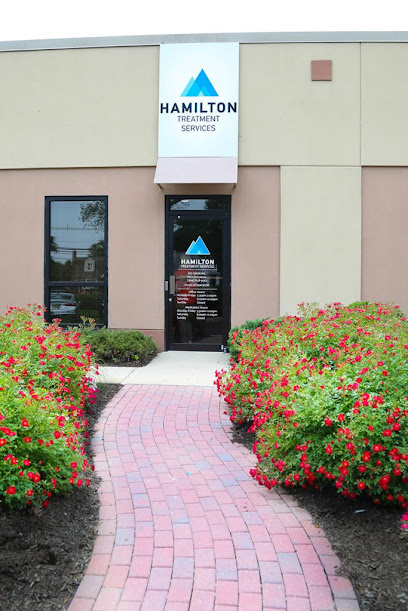
Hamilton Treatment Services
Trenton, NJ
- IOP
- MAT
Substance use treatment · All Clients in Opioid Treatment Program · SAMHSA-certified Opioid Treatment Program
Accepts: Cash or self-payment, Medicaid
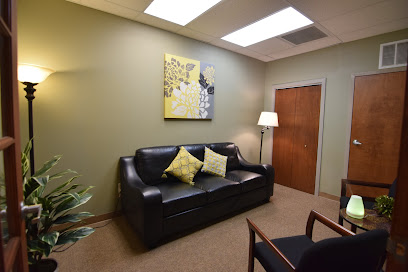
Summit Behavioral Health LLC
Princeton Junction, NJ
- PHP
- IOP
- MAT
Substance use treatment · Accepts clients on opioid medication but prescribed elsewhere · Cognitive behavioral therapy
Accepts: Cash or self-payment, Private health insurance, Military insurance
LIFEBACK Addictions and Behav Hlth
Lawrence Township, NJ
- IOP
- MAT
Substance use treatment · Cognitive behavioral therapy · Substance abuse counseling
Accepts: Cash or self-payment, Private health insurance
Trenton Healthcare Clinic
Trenton, NJ
- Detox
- IOP
- MAT
Substance use treatment · All Clients in Opioid Treatment Program · SAMHSA-certified Opioid Treatment Program
Accepts: Cash or self-payment, Medicaid
Phoenix Behavioral Health LLC Phoenix Addiction Services
Trenton, NJ
- PHP
- IOP
- MAT
Substance use treatment · Accepts clients on opioid medication but prescribed elsewhere · Cognitive behavioral therapy
Accepts: Cash or self-payment, Medicaid, Private health insurance
United Progress Inc Trenton Treatment Center
Trenton, NJ
- PHP
- IOP
- MAT
- Sober Living
Substance use treatment · Does not treat opioid addiction · Cognitive behavioral therapy
Accepts: Cash or self-payment, Medicaid, Private health insurance