

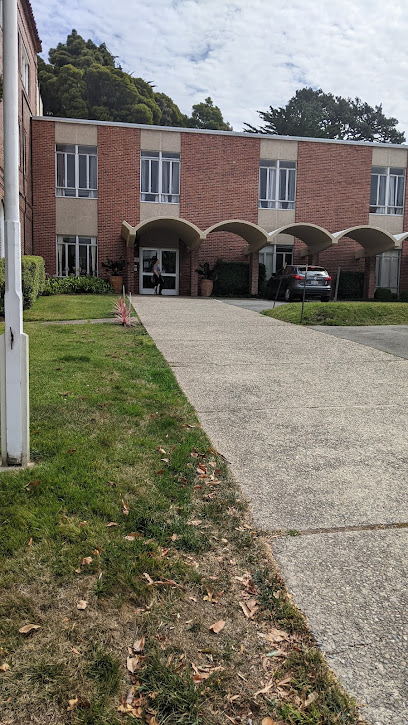
At a Glance
Location
100 Masonic Avenue, San Francisco, CA 94118
Phone
415-567-8370Primary Focus
Treatment Settings
Treatment Approaches
Special Programs
About Epiphany Residential
Epiphany Residential in San Francisco, CA offers residential treatment and an outpatient program specifically designed for women, including pregnant women and those with co-occurring disorders. The center provides drug treatment across two residential sites where women can live alongside their young children, making it a distinctive recovery community resource in the Bay Area.
Epiphany Residential, located at 100 Masonic Avenue in San Francisco, California, is a women-focused residential addiction treatment center that stands apart by accommodating children alongside their mothers during recovery. Operating two residential drug treatment sites, Epiphany serves women navigating substance abuse, trauma and PTSD, and co-occurring disorders — recognizing that recovery rarely happens in isolation from the rest of life. The center also extends its services to deaf and hard-of-hearing women, broadening access to care that is too often out of reach for that population.
Epiphany Residential offers two primary levels of care: residential treatment and an outpatient program. The residential track provides an immersive recovery environment where women and their young children can live together, preserving family bonds while building the foundation for long-term sobriety. The outpatient program extends structured support for women transitioning out of residential care or those whose circumstances make full-time residential placement less feasible, creating a continuum of substance abuse treatment under one organizational roof.
Cognitive Behavioral Therapy (CBT) anchors Epiphany's clinical approach, giving residents practical tools to identify and shift the thinking patterns that drive substance use and emotional dysregulation. Beyond individual therapy, the center emphasizes independent living skills and positive communication skills — competencies that translate directly into sustained recovery after discharge. Community outreach programs further connect residents and alumni to resources and networks in San Francisco, reinforcing that recovery extends well beyond the walls of the treatment center.
Epiphany's services are designed specifically for women, including pregnant women and mothers who need to keep their children close. The center accepts Medicaid, Medicare, state insurance, and offers a sliding scale fee structure, removing financial barriers that prevent many women from accessing residential treatment or outpatient care. For families weighing long-term recovery options in San Francisco, Epiphany Residential represents a rare combination of clinical structure, family inclusion, and accessible payment options.
Residential Treatment for Women and Their Children in San Francisco
One of the most significant barriers women face when entering residential treatment is the fear of being separated from their children. Epiphany Residential directly addresses this by operating residential drug treatment across two sites in San Francisco where women and their young children can live together throughout the recovery process. This model keeps families intact while mothers build the skills and stability needed for long-term sobriety.
The residential treatment program at Epiphany is specifically structured for women, including those who are pregnant. Rather than asking women to choose between their recovery and their children, Epiphany creates an environment where both can progress together — a genuinely distinctive feature in the San Francisco recovery community. Residents work on independent living skills and positive communication alongside clinical programming, preparing for life after treatment from day one.
Outpatient Program and Continuing Care After Residential Treatment
Recovery doesn't end when residential treatment does. Epiphany Residential offers an outpatient program that provides ongoing structure and support, whether a woman is stepping down from residential care or beginning her recovery outside of a live-in setting. This continuum of substance abuse treatment under one organization means clients can maintain therapeutic relationships and community connections as their needs evolve.
The outpatient program is part of Epiphany's broader commitment to community outreach in San Francisco. By maintaining connections with the wider recovery community and offering multiple levels of care, the center supports women through the longer arc of recovery — not just the early weeks of stabilization. For women with children, family responsibilities, or work obligations, outpatient programming provides a pathway to sustained recovery that fits the realities of their lives.
Addressing Trauma, Co-Occurring Disorders, and Whole-Person Recovery
Many women entering addiction treatment are also managing trauma, PTSD, or other co-occurring mental health conditions. Epiphany Residential is designed to treat these conditions together rather than in sequence, recognizing that unaddressed trauma is frequently central to substance use. Cognitive Behavioral Therapy (CBT) provides the clinical framework for this work, helping residents examine and reshape the thought patterns that drive both substance use and emotional distress.
Dual diagnosis treatment — addressing substance abuse alongside co-occurring disorders simultaneously — is a cornerstone of what Epiphany offers. For women whose mental health and addiction challenges are deeply intertwined, this integrated approach provides a more complete foundation for recovery than programs that treat each condition in isolation. The result is a recovery community experience grounded in clinical structure and real-world skill building.
Who Epiphany Residential Serves and How to Access Care
Epiphany Residential serves women exclusively, with specific programming for pregnant women and accommodations for deaf and hard-of-hearing individuals — an access point that many treatment centers do not offer. This focus means clinical staff, peer culture, and programming are all oriented around the specific recovery needs of women at different life stages and circumstances.
Financial access is a priority at Epiphany. The center accepts Medicaid, Medicare, and state insurance, and offers a sliding scale fee structure for those who need it. Prospective residents and their families can reach the center by phone at (415) 567-8370, by email at [email protected], or through the website at theepiphanycenter.org. Office hours run Monday through Friday, 8:00 AM to 5:00 PM.
Why Choose Epiphany Residential
- Residential drug treatment at two sites where women can live with their young children — a rare program structure in San Francisco
- Serves pregnant women, women in recovery, and deaf and hard-of-hearing women, prioritizing populations often underserved by mainstream treatment centers
- Treats co-occurring disorders and trauma/PTSD alongside substance abuse, addressing the full picture of women's recovery needs
- Sliding scale fees alongside Medicaid, Medicare, and state insurance acceptance make residential and outpatient care financially accessible
- Independent living skills and positive communication training built into the program to support lasting recovery beyond discharge
Frequently Asked Questions
Does Epiphany Residential allow women to bring their children into treatment?
Yes. Epiphany Residential operates two residential drug treatment sites specifically designed for women and their young children. Mothers do not have to be separated from their children in order to participate in the residential treatment program, which is one of the center's most distinctive features in the San Francisco recovery landscape.
What levels of care does Epiphany Residential offer?
Epiphany Residential offers two levels of care: residential treatment and an outpatient program. The residential program provides a full-time living and treatment environment, while the outpatient program supports women who are transitioning out of residential care or who need structured treatment without a live-in requirement.
Does Epiphany Residential treat co-occurring mental health conditions alongside substance abuse?
Yes. Epiphany Residential treats co-occurring disorders and dual diagnosis conditions, as well as trauma and PTSD, alongside substance abuse. Cognitive Behavioral Therapy (CBT) is the primary clinical method used to address these interconnected challenges.
Is Epiphany Residential only for women?
Yes. Epiphany Residential exclusively serves women, with specific programming for pregnant women. The center also serves deaf and hard-of-hearing women, extending access to a population that is frequently underserved by mainstream addiction treatment centers.
What payment options does Epiphany Residential accept?
Epiphany Residential accepts Medicaid, Medicare, and state insurance. The center also offers a sliding scale fee structure, which adjusts cost based on a client's ability to pay, helping to make residential and outpatient treatment financially accessible to more women.
What therapeutic approach does Epiphany Residential use?
Epiphany Residential uses Cognitive Behavioral Therapy (CBT) as its primary clinical method. Programming also incorporates independent living skills training and positive communication skills development, equipping women with practical tools that support long-term recovery after they leave treatment.
Does Epiphany Residential offer any community or outreach programs?
Yes. Epiphany Residential includes community outreach programs as part of its broader approach to recovery. These programs help connect residents and those in ongoing care with resources and support networks in the San Francisco community, reinforcing recovery beyond the treatment setting.
How can I contact Epiphany Residential to learn more or start the admission process?
You can reach Epiphany Residential by phone at (415) 567-8370 or by email at [email protected]. The center's office is open Monday through Friday from 8:00 AM to 5:00 PM, and additional information is available at theepiphanycenter.org.
Does Epiphany Residential help with the transition from residential treatment to everyday life?
Yes. The center builds independent living skills and positive communication skills directly into its residential programming to prepare women for life after treatment. The outpatient program also offers a structured step-down option for women leaving residential care, providing continuity as they return to daily routines.
Nearby Treatment Centers

Baker Places Inc Baker Street House
San Francisco, CA
- Residential
Substance use treatment · Accepts clients on opioid medication but prescribed elsewhere · Cognitive behavioral therapy
Accepts: Cash or self-payment, State-financed health insurance plan other than Medicaid, Private health insurance
Epiphany Transitional Step Down Prog
San Francisco, CA
- Residential
- Sober Living
Substance use treatment · Accepts clients on opioid medication but prescribed elsewhere · Substance abuse counseling
Accepts: Cash or self-payment, Medicaid, Medicare
HealthRIGHT 360 AARS Project ADAPT
San Francisco, CA
- IOP
Substance use treatment · Does not use medication for opioid addiction · Accepts clients on opioid medication but prescribed elsewhere
Accepts: Cash or self-payment, Medicaid, Sliding fee scale
PRC Baker Places Ferguson Place
San Francisco, CA
- Residential
Substance use treatment · Accepts clients on opioid medication but prescribed elsewhere · Substance abuse counseling
Accepts: Cash or self-payment, Sliding fee scale

Ohlhoff Recovery Programs Skip Byron Primary
San Francisco, CA
- Detox
- Residential
- MAT
- Sober Living
Substance use treatment · Accepts clients on opioid medication but prescribed elsewhere · Cognitive behavioral therapy
Accepts: Cash or self-payment, Private health insurance

Ohlhoff Recovery Programs Henry Ohlhoff House
San Francisco, CA
- Residential
- MAT
Substance use treatment · Accepts clients on opioid medication but prescribed elsewhere · Cognitive behavioral therapy
Accepts: Cash or self-payment, Private health insurance