

At a Glance
Primary Focus
Treatment Settings
Treatment Approaches
Special Programs
About Elmhurst Home Inc
Elmhurst Home is a CARF-accredited addiction treatment and recovery center in Detroit, MI, offering Outpatient and Intensive Outpatient Programs for adults, adolescents, veterans, and other underserved populations. As a Certified Community Behavioral Health Clinic since 2021, the center pairs structured substance abuse treatment with robust aftercare support — including recovery housing and SAMHSA Peer Recovery Services — so clients have a foundation that extends well beyond their last session.
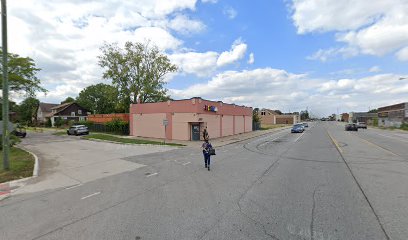
Elmhurst Home sits at 12019 Linwood Street in Detroit, Michigan, operating as a CARF-accredited residential and outpatient clinic ranked among the top substance abuse treatment centers in the state. Certified as a Community Behavioral Health Clinic since 2021, the center brings together clinical treatment and peer-driven recovery support under one roof — a combination that makes it a meaningful long-term recovery partner for Detroit-area residents navigating substance use disorders, co-occurring mental health conditions, trauma, and PTSD.
The center's treatment continuum includes a standard Outpatient Program and a more intensive step-up level through its Intensive Outpatient Program (IOP). These levels of care allow clients to engage in structured addiction treatment while maintaining their daily lives, and they serve as a bridge for individuals transitioning out of higher-intensity care or building the consistency needed for lasting recovery. Both program tracks address substance use disorders alongside co-occurring conditions, including dual diagnosis and trauma-related needs.
Cognitive Behavioral Therapy (CBT) anchors the clinical approach at Elmhurst Home, giving clients practical, skills-focused tools for identifying and reshaping the thought patterns that contribute to substance use and mental health challenges. Beyond formal therapy, the center extends its reach through aftercare support structures that include SAMHSA Peer Recovery Services and recovery housing — resources that reflect a genuine commitment to supporting clients through the full arc of recovery, not just initial treatment. The facility operates 24 hours, ensuring consistent access to support.
Elmhurst Home serves a notably broad population: adolescents, young adults ages 18–25, men, women, seniors, veterans, pregnant women, individuals living with HIV/AIDS, Deaf and hard-of-hearing clients, and those who are court-ordered into treatment. No one is turned away for an inability to pay — the center accepts Medicaid, Medicare, private insurance, state insurance, and self-pay, and offers a sliding fee schedule based on family size and income. That financial accessibility, paired with CARF accreditation and peer recovery programming, positions Elmhurst Home as one of Detroit's more inclusive options for community-centered addiction treatment.
Outpatient & IOP: Addiction Treatment Built Around Real Life
For people who are ready to commit to recovery without stepping away from work, family, or community obligations, Elmhurst Home's Outpatient Program and Intensive Outpatient Program (IOP) offer a structured path forward. The IOP level is particularly suited to individuals who need more frequent clinical contact than a standard outpatient schedule provides — whether they are stepping down from residential treatment or entering care for the first time with complex needs.
Both levels of care address substance use disorders alongside co-occurring mental health conditions, trauma, and PTSD. Cognitive Behavioral Therapy (CBT) provides the clinical backbone, equipping clients with concrete strategies for managing triggers, restructuring harmful thought patterns, and building sustainable coping skills. For those managing dual diagnosis — a substance use disorder alongside a mental health condition — this integrated treatment model means both needs are addressed in the same program rather than in separate, disconnected systems.
Recovery Housing & Aftercare: Support That Extends Beyond Treatment
Completing an outpatient program is a milestone, not a finish line. Elmhurst Home builds aftercare directly into its recovery model, offering SAMHSA Peer Recovery Services and recovery housing as part of its continuing care options. Peer support connects clients with individuals who have lived experience in recovery — a resource that research consistently identifies as valuable in sustaining long-term sobriety and community connection.
Recovery housing through Elmhurst Home gives clients a sober living environment to reinforce the skills and routines developed during treatment. Together, these aftercare supports create a recovery community infrastructure that is especially important for individuals leaving the structure of an IOP and navigating the transition back to independent living.
Who Elmhurst Home Serves: An Inclusive Recovery Community
Elmhurst Home has built its programs around some of the populations that often face the most barriers to accessing addiction treatment. The center serves adolescents, young adults, seniors, veterans, pregnant women, individuals living with HIV/AIDS, Deaf and hard-of-hearing clients, and those who are court-ordered. Treatment also extends to people dealing with criminal conduct as a contributing factor in their recovery needs — a realistic acknowledgment of the overlap between the justice system and substance use disorders.
That breadth of population reach is matched by financial accessibility. Elmhurst Home accepts Medicaid, Medicare, private insurance, state insurance, and self-pay, and maintains a sliding fee schedule tied to family size and income. The center's stated policy is that no one is turned away for an inability to pay — a commitment that distinguishes it within Detroit's substance abuse treatment landscape and aligns with the community health clinic model it operates under.
CARF Accreditation & Community Behavioral Health Certification
Elmhurst Home holds CARF accreditation, a nationally recognized standard that evaluates treatment centers on quality, outcomes, and service delivery. CARF-accredited programs are independently reviewed against rigorous benchmarks, providing clients and families with a measurable indicator of program quality when comparing recovery centers.
In 2021, Elmhurst Home also became a Certified Community Behavioral Health Clinic (CCBHC) — a federal designation that supports expanded access to mental health and substance use disorder services, particularly for underserved and low-income populations. The CCBHC model is specifically designed to ensure comprehensive, coordinated care, which means clients at Elmhurst Home benefit from a treatment structure built to address the full complexity of co-occurring disorders and social barriers to recovery.
Why Choose Elmhurst Home Inc
- Certified Community Behavioral Health Clinic (since 2021) — a model designed to integrate behavioral health and substance abuse treatment for underserved communities
- SAMHSA Peer Recovery Services and recovery housing available as aftercare, supporting clients well past the formal treatment phase
- Serves one of the broadest populations of any Detroit outpatient center, including veterans, pregnant women, Deaf/hard-of-hearing clients, and court-ordered individuals
- No one turned away for inability to pay — sliding fee schedule based on family size and income, plus Medicaid, Medicare, and state insurance accepted
- CARF-accredited facility operating 24 hours with dual diagnosis and trauma/PTSD treatment alongside substance use disorder care
Frequently Asked Questions
What levels of care does Elmhurst Home offer for addiction treatment?
Elmhurst Home offers two primary levels of outpatient care: a standard Outpatient Program and an Intensive Outpatient Program (IOP). The IOP provides more frequent clinical contact and is suited for individuals with more complex needs or those stepping down from a higher level of care. Both tracks address substance use disorders, co-occurring mental health conditions, and trauma.
Does Elmhurst Home offer any support after treatment ends?
Yes. Elmhurst Home provides structured aftercare through SAMHSA Peer Recovery Services and recovery housing. Peer recovery support connects clients with people who have lived experience in recovery, while recovery housing offers a sober living environment for those transitioning out of active treatment. These services are designed to extend the recovery community connection beyond formal programming.
What does it cost to attend Elmhurst Home, and is financial assistance available?
Elmhurst Home accepts Medicaid, Medicare, private insurance, state insurance, and self-pay. A sliding fee schedule is available based on family size and income, and the center's stated policy is that no one is turned away due to an inability to pay. Financial assistance is also offered for those who qualify.
Is Elmhurst Home accredited?
Elmhurst Home is accredited by CARF (Commission on Accreditation of Rehabilitation Facilities), a nationally recognized independent accrediting body. The center is also a Certified Community Behavioral Health Clinic (CCBHC) since 2021, a federal designation focused on ensuring comprehensive, accessible behavioral health and substance use disorder care.
What populations does Elmhurst Home's outpatient program serve?
Elmhurst Home serves a wide range of populations, including adolescents, young adults (18–25), seniors, veterans, pregnant women, men, women, individuals living with HIV/AIDS, Deaf and hard-of-hearing clients, and those who are court-ordered into treatment. The center also works with individuals whose substance use intersects with criminal conduct.
Does Elmhurst Home treat co-occurring mental health and substance use disorders?
Yes. Elmhurst Home's programs are designed to address co-occurring disorders, also known as dual diagnosis — meaning clients dealing with both a substance use disorder and a mental health condition, including trauma and PTSD, are treated within the same program. Cognitive Behavioral Therapy (CBT) is the primary clinical method used across the center's treatment tracks.
What therapeutic approach does Elmhurst Home use?
Cognitive Behavioral Therapy (CBT) is the confirmed therapeutic method at Elmhurst Home. CBT is a structured, skills-focused approach that helps clients identify and change thought patterns and behaviors connected to substance use and mental health challenges. It is widely used in outpatient and IOP settings because its techniques can be applied outside of session in everyday recovery situations.
Is Elmhurst Home open on weekends or after hours?
Elmhurst Home operates 24 hours, providing consistent access to support outside of standard business hours. Prospective clients can reach the facility by calling (313) 867-1090 or by emailing [email protected].
Does Elmhurst Home offer sober living or recovery housing?
Yes. Recovery housing is listed among Elmhurst Home's facility features and aftercare support options. This provides clients with a structured sober living environment that reinforces the recovery skills developed during outpatient treatment and helps bridge the transition to independent living.
How do I get started with treatment at Elmhurst Home in Detroit?
You can contact Elmhurst Home directly by phone at (313) 867-1090 or by email at [email protected]. The center is located at 12019 Linwood Street in Detroit, MI 48206 and operates 24 hours. Financial concerns should not be a barrier — the center accepts multiple insurance types and offers sliding-scale fees based on income and family size.
Nearby Treatment Centers
Jabez Recovery Management Services Collingwood House
Detroit, MI
- Residential
- IOP
Substance use treatment · Accepts clients on opioid medication but prescribed elsewhere · Cognitive behavioral therapy
Accepts: Cash or self-payment, Medicaid, State-financed health insurance plan other than Medicaid

Detroit Rescue Mission Ministries Genesis House III
Detroit, MI
- Detox
- Residential
- IOP
Substance use treatment · Does not treat opioid addiction · Accepts clients on opioid medication but prescribed elsewhere
Accepts: Medicaid, Payment assistance
Abundant Community Recovery Services
Detroit, MI
- Residential
- PHP
- IOP
- Sober Living
Substance use treatment · Accepts clients on opioid medication but prescribed elsewhere · Cognitive behavioral therapy
Accepts: Cash or self-payment, Medicaid, Medicare
Rainbow Center of Michigan Inc
Highland Park, MI
- Detox
- Outpatient
- MAT
Substance use treatment · SAMHSA-certified Opioid Treatment Program · Cognitive behavioral therapy
Accepts: Cash or self-payment, Medicaid, Medicare
Community Social Services of Wayne County
Detroit, MI
- Outpatient
Substance use treatment · Does not treat opioid addiction · Cognitive behavioral therapy
Accepts: Cash or self-payment, Military insurance
Elmhurst Home Naomis Nest
Highland Park, MI
- Residential
- IOP
Substance use treatment · Accepts clients on opioid medication but prescribed elsewhere · Cognitive behavioral therapy
Accepts: Cash or self-payment, Medicaid, Sliding fee scale