

At a Glance
Primary Focus
Treatment Settings
Treatment Approaches
Special Programs
About Door to Hope
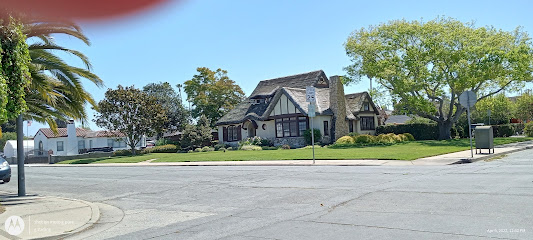
Door to Hope is a CARF-accredited substance use treatment center in Salinas, CA, offering medical detox, residential treatment, and outpatient programs to individuals and families across Monterey County. Serving a wide range of populations — including veterans, women, young adults, and seniors — the center uses Cognitive Behavioral Therapy and treats co-occurring disorders alongside addiction.
Door to Hope is a 501(c)(3) nonprofit substance use treatment organization located at 130 Gabilan Street in Salinas, California, serving individuals and families throughout Monterey County. As a comprehensive behavioral health provider accredited by CARF, the center has long been a community anchor for people ready to move from crisis into lasting recovery — offering a continuum of care rather than a single point of intervention.
The center's levels of care span medical detox, residential treatment, and outpatient programming, giving individuals the ability to step through different phases of recovery within one connected system. This continuum means someone can begin with medically supervised withdrawal management and transition into residential treatment before stepping down into an outpatient program — maintaining clinical relationships and community ties throughout the process.
Cognitive Behavioral Therapy (CBT) anchors the clinical work at Door to Hope, giving clients structured tools to identify and shift the thought patterns that drive substance use. The center also addresses trauma and PTSD alongside addiction, recognizing that co-occurring disorders and dual diagnosis presentations require treatment that goes beyond surface-level symptom management. Parent and family support programming is part of the center's broader behavioral health model, reflecting a belief that recovery extends beyond the individual.
Door to Hope serves a notably broad range of populations: veterans, pregnant women, young adults ages 18 to 25, seniors and older adults, women, individuals with HIV/AIDS support needs, those who are Deaf or hard of hearing, and court-ordered participants. The center accepts Medicaid, private insurance, and self-pay, making treatment accessible across economic circumstances. For individuals in Monterey County seeking a recovery center that can meet them where they are — and walk with them across multiple stages of care — Door to Hope offers a rare depth of service under one roof.
A Continuum of Addiction Treatment in Monterey County
Door to Hope offers one of the more complete recovery continuums available in Salinas and the broader Monterey County area. Medical detox, residential treatment, and outpatient programming are all delivered under the same organizational roof — meaning clients who begin at the detox level can move into residential care and then transition to an outpatient program without having to re-establish care at a new facility. For people planning longer-term recovery, that continuity matters.
Being CARF-accredited reflects a commitment to meeting independently evaluated quality standards in substance use treatment. For families researching recovery centers on behalf of a loved one, accreditation is one concrete signal that programs are held to structured accountability. Door to Hope's standing as a California nonprofit adds another layer — the organization's mission is community health, not profit margin.
Treating the Whole Picture: Co-Occurring Disorders and Trauma
Addiction rarely travels alone. Door to Hope explicitly treats trauma and PTSD alongside substance use disorders, and the center is equipped for co-occurring disorders and dual diagnosis presentations. This means clients dealing with both a mental health condition and a substance use disorder don't have to choose which problem gets addressed first — both are part of the treatment plan.
Cognitive Behavioral Therapy (CBT) is the confirmed therapeutic method in use at Door to Hope. CBT is a structured, skills-based approach that helps individuals recognize the connections between their thoughts, feelings, and behaviors — a practical framework for building the kind of self-awareness that supports long-term sobriety. Family and parent support programming is also part of the center's model, acknowledging that the people closest to someone in recovery are part of the equation too.
Who Door to Hope Serves
Door to Hope serves a broader cross-section of the community than many addiction treatment centers in the region. Veterans, pregnant women, young adults between 18 and 25, seniors and older adults, women, individuals with HIV/AIDS-related support needs, people who are Deaf or hard of hearing, and court-ordered clients are all among the populations the center is equipped to work with. This breadth is significant — it means the center has developed clinical and operational capacity across populations with meaningfully different needs.
For families in Monterey County trying to find a residential treatment or outpatient program that fits a specific situation — a young adult son, a veteran grandmother, a pregnant daughter — Door to Hope's population-specific experience is a practical differentiator. The center accepts Medicaid, private insurance, and self-pay, keeping access open across a range of financial situations.
Outpatient Program and Ongoing Recovery Support
For individuals who have completed residential treatment or whose circumstances require a less intensive level of care, Door to Hope's outpatient program offers structured support while allowing clients to maintain work, family, and community responsibilities. Outpatient programming is also a natural landing point for people stepping down from residential treatment — a way to stay connected to clinical support as independence grows.
The center's operating hours extend into the evening on Tuesdays and Thursdays, which is a practical detail worth noting for anyone balancing outpatient participation with daytime obligations. Door to Hope's location at 130 Gabilan Street in Salinas is centrally situated within Monterey County, making it accessible to residents across the region who are building a recovery routine that fits their real life.
Why Choose Door to Hope
- Full continuum of care — medical detox through outpatient — within a single CARF-accredited nonprofit organization in Salinas
- Specialized programming for veterans, pregnant women, seniors, and Deaf or hard-of-hearing individuals alongside general adult populations
- Dual diagnosis and trauma/PTSD treatment integrated into addiction recovery, not treated as a separate referral
- Serves court-ordered participants alongside voluntary clients, broadening access to structured recovery within Monterey County
- Accepts Medicaid, private insurance, and self-pay — reducing financial barriers to entering residential or outpatient treatment
Frequently Asked Questions
What levels of care does Door to Hope offer for addiction recovery?
Door to Hope offers three levels of care: medical detox, residential treatment, and an outpatient program. This continuum allows individuals to progress through different stages of recovery within the same organization. Having all three levels available in one place supports a smoother transition between phases of treatment.
Does Door to Hope treat co-occurring mental health conditions alongside addiction?
Yes. Door to Hope is equipped to treat co-occurring disorders and dual diagnosis, as well as trauma and PTSD alongside substance use disorders. Clients dealing with both a mental health condition and an addiction can receive integrated care rather than being referred out for separate treatment.
What therapy approaches are used at Door to Hope?
Cognitive Behavioral Therapy (CBT) is the confirmed therapeutic method used at Door to Hope. CBT helps individuals identify and change the thought patterns and behaviors connected to substance use, giving clients practical skills that support long-term recovery.
Which populations does Door to Hope specialize in serving?
Door to Hope serves veterans, pregnant women, young adults ages 18 to 25, seniors and older adults, women, individuals with HIV/AIDS support needs, people who are Deaf or hard of hearing, and court-ordered participants. The center has developed specific capacity for these populations rather than offering a one-size-fits-all program.
What payment options does Door to Hope accept?
Door to Hope accepts Medicaid, private insurance, and self-pay (cash). This range of payment options helps make residential treatment and outpatient programming accessible to individuals across different financial situations in Monterey County.
Is Door to Hope accredited?
Yes. Door to Hope holds CARF accreditation, which is an independent quality standard for behavioral health and substance use treatment organizations. CARF accreditation indicates that the center's programs have been evaluated against established benchmarks for care quality.
Where is Door to Hope located and what area does it serve?
Door to Hope is located at 130 Gabilan Street in Salinas, California. The center primarily serves individuals and families throughout Monterey County.
Does Door to Hope offer any family support programming?
Yes. Door to Hope includes parent and family support as part of its broader behavioral health model. This reflects the center's recognition that recovery affects — and benefits from the involvement of — the people closest to someone in treatment.
What are Door to Hope's hours for outpatient services?
Door to Hope operates Monday through Friday, with extended evening hours on Tuesdays and Thursdays until 7:00 PM. The center is closed on Saturdays and Sundays. The Tuesday and Thursday evening hours offer added flexibility for individuals participating in outpatient programming alongside daytime responsibilities.
Can veterans access addiction treatment at Door to Hope?
Yes. Veterans are among the specific populations Door to Hope is equipped to serve. The center's dual diagnosis and trauma treatment capabilities are particularly relevant for veterans, as PTSD and co-occurring disorders are common alongside substance use disorders in this population.
Nearby Treatment Centers

Door to Hope Womens Recovery Center
Salinas, CA
- Detox
- Residential
- MAT
Substance use treatment · Cognitive behavioral therapy · Dialectical behavior therapy
Accepts: Cash or self-payment, Medicaid, Medicare
Sun Street Centers Outpatient Recovery Services
Salinas, CA
- PHP
- IOP
Substance use treatment · Accepts clients on opioid medication but prescribed elsewhere · Cognitive behavioral therapy
Accepts: Cash or self-payment, Medicaid, State-financed health insurance plan other than Medicaid
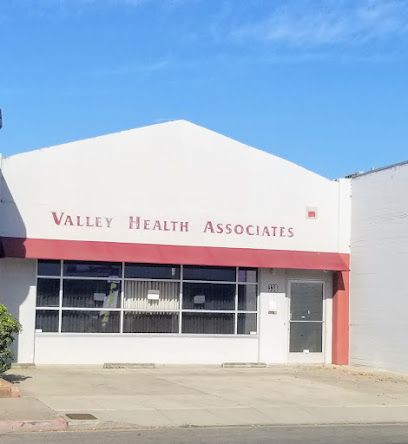
Valley Health Associates
Salinas, CA
- Detox
- Outpatient
- MAT
Substance use treatment · SAMHSA-certified Opioid Treatment Program · Cognitive behavioral therapy
Accepts: Cash or self-payment, Medicaid, Medicare
Sun Street Centers Outpatient Recovery Services
Salinas, CA
- PHP
- IOP
Substance use treatment · Accepts clients on opioid medication but prescribed elsewhere · Cognitive behavioral therapy
Accepts: Cash or self-payment, Medicaid, State-financed health insurance plan other than Medicaid
Sun Street Centers Residential Recovery Program
Salinas, CA
- Detox
- Residential
Substance use treatment · Accepts clients on opioid medication but prescribed elsewhere · Cognitive behavioral therapy
Accepts: Cash or self-payment, Medicaid, State-financed health insurance plan other than Medicaid
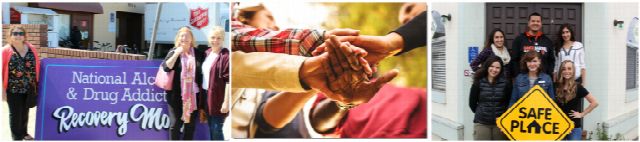
Community Human Services Off Main Clinic
Salinas, CA
- Outpatient
- MAT
Substance use treatment · SAMHSA-certified Opioid Treatment Program · Cognitive behavioral therapy
Accepts: Cash or self-payment, Medicaid, Medicare