

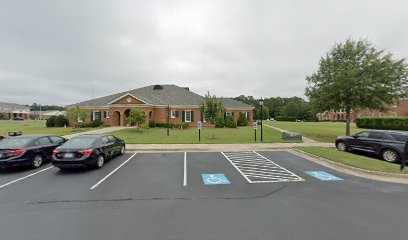
At a Glance
Location
3660 Boulevard, Colonial Heights, VA 23834
Phone
804-520-7210Primary Focus
Treatment Settings
Treatment Approaches
About District 19 Community Services Board
District 19 Community Services Board operates an outpatient addiction treatment center in Emporia, VA, offering standard outpatient programs and intensive outpatient (IOP) services. The recovery center serves diverse populations including veterans, young adults, and individuals with co-occurring disorders through cognitive behavioral therapy approaches.
District 19 Community Services Board provides outpatient addiction treatment and substance abuse treatment services in Emporia, Virginia. Located at 1101 Greensville County Circle, this recovery center operates Monday through Friday from 9 AM to 5 PM, serving the local recovery community with accessible outpatient care options.
The facility offers two primary levels of care: outpatient programs and intensive outpatient (IOP) services. These structured treatment options allow individuals to maintain their daily responsibilities while receiving consistent support for their recovery. The intensive outpatient program provides more frequent sessions for those requiring additional structure without residential placement.
Treatment at District 19 Community Services Board incorporates cognitive behavioral therapy (CBT) as a core therapeutic method. This approach helps individuals identify and modify thought patterns and behaviors that contribute to substance use, providing practical tools for long-term recovery success.
The center serves a broad range of populations, including veterans, pregnant women, young adults aged 18-25, seniors, and individuals with trauma/PTSD or co-occurring disorders. Veterans can utilize TRICARE benefits, while other payment options include Medicaid, Medicare, private insurance, and financial assistance programs. This comprehensive approach to accessibility ensures that diverse members of the recovery community can access needed aftercare and ongoing support services.
Outpatient and IOP Recovery Programs
District 19 Community Services Board structures its addiction treatment around two core levels of care designed for different stages of the recovery journey. The outpatient program provides regular counseling and support sessions while allowing individuals to maintain work, family, and community responsibilities. This flexibility makes it an ideal choice for those transitioning from residential treatment or beginning their recovery process.
The intensive outpatient program (IOP) offers increased session frequency and structure for individuals who need more support than standard outpatient care but don't require residential placement. Both programs integrate cognitive behavioral therapy techniques to address the underlying patterns that contribute to substance use, helping build sustainable recovery skills for long-term success in the recovery community.
Specialized Population Services
Veterans receive targeted support through programs that understand military culture and trauma-related challenges. The center accepts TRICARE benefits and provides specialized care for those dealing with service-related PTSD and substance use concerns. Young adults aged 18-25 benefit from age-appropriate programming that addresses the unique challenges of early recovery during this critical life stage.
Pregnant women receive specialized addiction treatment that considers both maternal and fetal health needs. The facility also serves seniors and older adults, recognizing that substance abuse treatment needs vary significantly across age groups. Court-ordered clients receive the structured programming required by legal mandates while building genuine recovery community connections.
Accessibility and Payment Options
District 19 Community Services Board accepts a comprehensive range of payment methods to ensure addiction treatment accessibility across economic circumstances. Medicare and Medicaid coverage provides options for seniors and qualifying individuals, while private insurance and state insurance plans expand access for working families seeking outpatient treatment.
Financial assistance programs help bridge gaps for those without insurance coverage or facing economic hardship. Self-pay options provide flexibility for individuals who prefer private payment arrangements. This broad payment approach reflects the center's commitment to serving the entire recovery community regardless of financial circumstances.
Community Integration and Support
The center's location in Emporia positions it as a community-based resource for individuals seeking ongoing recovery support. Operating Monday through Friday during standard business hours, the facility integrates seamlessly with work and family schedules, supporting the practical aspects of maintaining recovery while rebuilding life structure.
Services for individuals with co-occurring disorders address the complex intersection of mental health and substance abuse treatment. The facility's capability to serve deaf and hard of hearing individuals demonstrates commitment to true accessibility in the recovery community, ensuring that communication barriers don't prevent access to quality addiction treatment and long-term recovery support.
Why Choose District 19 Community Services Board
- Dedicated services for veterans with TRICARE coverage and specialized trauma/PTSD support
- Comprehensive population focus including pregnant women, young adults, and seniors in one recovery center
- Accessibility features for deaf and hard of hearing individuals in addiction treatment
- Court-ordered treatment options integrated with community-based outpatient care
- Financial assistance programs alongside multiple insurance acceptance for barrier-free access
Frequently Asked Questions
What types of outpatient addiction treatment does District 19 Community Services Board offer?
The center provides standard outpatient programs and intensive outpatient (IOP) services. Both programs use cognitive behavioral therapy approaches and operate Monday through Friday from 9 AM to 5 PM to accommodate work and family schedules.
Does District 19 accept insurance for substance abuse treatment?
Yes, the facility accepts Medicaid, Medicare, private insurance, TRICARE for veterans, and state insurance plans. They also offer financial assistance programs and accept self-pay arrangements to ensure accessibility across different financial situations.
What populations does this recovery center specifically serve?
District 19 serves veterans, pregnant women, young adults aged 18-25, seniors, men, women, individuals with trauma/PTSD, those with co-occurring disorders, court-ordered clients, and deaf/hard of hearing individuals. This broad population focus allows for specialized care approaches within the same facility.
Is District 19 equipped to handle court-ordered addiction treatment?
Yes, the center provides services for court-ordered clients as part of their comprehensive population coverage. The outpatient and intensive outpatient programs can fulfill legal requirements while providing genuine recovery support and community integration.
What makes District 19's approach different from other outpatient programs?
The center uses cognitive behavioral therapy as its core therapeutic method and serves an unusually broad range of populations under one roof. Their accessibility features for deaf and hard of hearing individuals, combined with veteran-specific services and comprehensive insurance acceptance, creates a truly inclusive recovery community environment.
How does the intensive outpatient program differ from standard outpatient treatment?
The IOP provides more frequent sessions and increased structure compared to standard outpatient care, making it suitable for individuals who need additional support without residential placement. Both programs incorporate CBT techniques and operate during business hours to maintain life flexibility.
Does District 19 provide specialized services for veterans in recovery?
Yes, veterans receive targeted support that addresses military culture and service-related challenges including trauma and PTSD. The center accepts TRICARE benefits and understands the unique aspects of veteran recovery needs within their broader community-based approach.
What should I expect from the cognitive behavioral therapy approach used at District 19?
CBT at District 19 focuses on identifying and modifying thought patterns and behaviors that contribute to substance use. This practical approach provides concrete tools for managing triggers and building long-term recovery skills that integrate with daily life and community involvement.
Nearby Treatment Centers

District 19 Substance Abuse Services SUD Petersburg Outpatient Services
Petersburg, VA
- IOP
Substance use treatment · Accepts clients on opioid medication but prescribed elsewhere · Cognitive behavioral therapy
Accepts: Cash or self-payment, Medicaid, Medicare
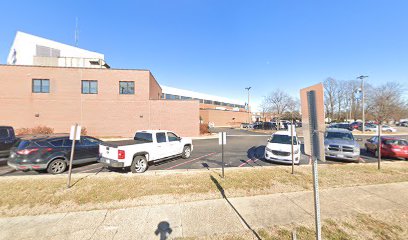
John Randolph Medical Center Outpatient Behavioral Health
Hopewell, VA
- IOP
- MAT
Substance use treatment · Accepts clients on opioid medication but prescribed elsewhere · Cognitive behavioral therapy
Accepts: Cash or self-payment, Medicaid, Medicare
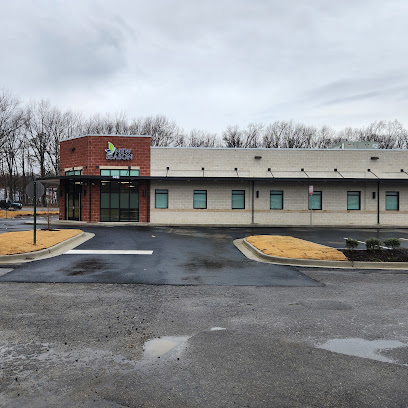
Richmond Southside Treatment Center Metro Treatment of Virginia LP
Richmond, VA
- Outpatient
- MAT
Substance use treatment · All Clients in Opioid Treatment Program · SAMHSA-certified Opioid Treatment Program
Accepts: Cash or self-payment, Medicaid, Private health insurance
District 19 Community Services Board Hopewell Prince George Csl Services
Prince George, VA
- IOP
Substance use treatment · Accepts clients on opioid medication but prescribed elsewhere · Cognitive behavioral therapy
Accepts: Cash or self-payment, Medicaid, State-financed health insurance plan other than Medicaid
Chesterfield County Community Corrections Dual Tx Track
Chesterfield, VA
- IOP
Substance use treatment · Does not use medication for opioid addiction · Cognitive behavioral therapy
Chesterfield Department of Mental Health Support Services
Chesterfield, VA
- Outpatient
- MAT
Substance use treatment · Cognitive behavioral therapy · Dialectical behavior therapy
Accepts: Cash or self-payment, Medicaid, Medicare