

 1 / 3
1 / 3At a Glance
Location
845 West 200 North, Kaysville, UT 84037
Phone
385-888-9624Primary Focus
Treatment Settings
Treatment Approaches
About Diamond Tree Recovery
Diamond Tree Recovery in Kaysville, Utah offers a full continuum of addiction treatment — from medical detox through residential treatment and outpatient programming — for men, veterans, seniors, and others navigating substance use and co-occurring disorders. CARF-accredited and open 24 hours, the center brings licensed psychiatric and clinical leadership to every stage of the recovery process.
Diamond Tree Recovery is a CARF-accredited substance use treatment center located at 845 West 200 North in Kaysville, Utah, serving Davis County and the broader northern Utah region. The facility operates around the clock and provides a structured continuum of care that supports people not just through an initial crisis, but through the longer arc of sustained recovery — from first stabilization to ongoing outpatient support. For those evaluating where to invest in lasting change, Diamond Tree Recovery offers clinical depth and population-specific programming that sets it apart from single-level programs.
The center's levels of care span the full treatment spectrum: medical detox, residential treatment, partial hospitalization (PHP), intensive outpatient programming (IOP), and a standard outpatient program. That range means a person entering in acute need can transition through each phase without changing providers — a meaningful advantage for anyone committed to building a durable recovery rather than cycling through disconnected services. Each step down the continuum is designed to keep people connected to treatment as their independence grows.
Clinically, Diamond Tree Recovery addresses trauma and PTSD alongside substance use disorders, and is equipped to treat co-occurring disorders and dual diagnosis presentations. Cognitive Behavioral Therapy (CBT) is among the confirmed therapeutic methods used at the center. The medical team includes Dr. Blaser (MD, Medical Director) and Dr. Lamont McPherson (MD, board-certified Psychiatrist), while clinical operations are led by Tammy Titus (LCSW, Clinical Director) — a staffing structure that keeps both psychiatric and therapeutic expertise in-house.
Diamond Tree Recovery specifically serves men, veterans, seniors and older adults, individuals involved in court-ordered treatment, and those needing HIV/AIDS support — a set of populations that benefit from programming attuned to their particular life circumstances and recovery needs. The center accepts Medicaid, private insurance, and self-pay, broadening access for people at different financial starting points. For those seeking a recovery center where medical, psychiatric, and clinical care are integrated from detox through outpatient, Diamond Tree Recovery offers a coherent and credentialed option in northern Utah.
A Full Continuum of Care for Lasting Recovery
One of the more common obstacles people face after completing detox or residential treatment is the gap between high-intensity care and everyday life. Diamond Tree Recovery is built to close that gap. The center offers medical detox, residential treatment, partial hospitalization, intensive outpatient programming, and a standard outpatient program — all under one roof in Kaysville, Utah.
That continuity matters. Rather than navigating referrals and new intake processes at each stage, people in recovery at Diamond Tree can move through the treatment continuum with the same clinical team and within the same therapeutic environment. For anyone planning a longer-term recovery — not just a short-term stabilization — that kind of structural consistency supports the sustained engagement that lasting sobriety requires.
Dual Diagnosis Treatment and Trauma-Informed Care
Substance use rarely travels alone. Diamond Tree Recovery is equipped to treat co-occurring disorders and dual diagnosis presentations — meaning people dealing with both a substance use disorder and a mental health condition like trauma or PTSD can receive integrated care rather than being referred out for one piece of the picture. This is a clinically significant distinction for anyone whose recovery needs go beyond substance use alone.
The center's psychiatric depth supports this work. With a board-certified psychiatrist and a licensed clinical social worker serving as Clinical Director, Diamond Tree brings both medical and therapeutic expertise to bear on complex presentations. Cognitive Behavioral Therapy (CBT) is part of the confirmed clinical toolkit, offering a structured, skills-based approach that is well-suited to both trauma work and substance use treatment.
Who Diamond Tree Recovery Serves
Diamond Tree Recovery serves specific populations that benefit from programming tuned to their experiences: men, veterans, seniors and older adults, individuals in court-ordered treatment, and people requiring HIV/AIDS support. This is not a generalist admissions list — it reflects a deliberate commitment to serving groups whose recovery contexts carry particular weight and complexity.
Veterans and older adults, for instance, often bring layered histories that general substance abuse treatment programs are not always equipped to address. Court-ordered participants benefit from a structured environment with credentialed clinical oversight. For families evaluating treatment options on behalf of a loved one who fits one of these populations, Diamond Tree's specificity is a meaningful indicator of programmatic fit.
Accreditation, Clinical Leadership, and Access
Diamond Tree Recovery holds CARF accreditation — a designation that reflects an independent review of the center's programs, policies, and outcomes practices. For people and families doing due diligence on a recovery center, accreditation provides an external benchmark beyond self-reported quality claims.
The clinical and medical leadership team includes Medical Director Dr. Blaser (MD), board-certified Psychiatrist Dr. Lamont McPherson (MD), Clinical Director Tammy Titus (LCSW), and Therapist Ashley Wareham (CSW). On the financial access side, the center accepts Medicaid, private insurance, and self-pay — supporting a range of people who may be approaching treatment from different economic circumstances. The facility is open 24 hours and can be reached at (801) 513-5132.
Why Choose Diamond Tree Recovery
- Full continuum from medical detox through outpatient — allowing seamless step-down without switching providers mid-recovery
- On-site psychiatric coverage with a board-certified psychiatrist (Dr. Lamont McPherson, MD) for dual diagnosis and co-occurring disorder treatment
- Specialized populations served: veterans, seniors, court-ordered participants, and individuals requiring HIV/AIDS support — not a one-size program
- CARF accreditation signals independently verified quality standards — meaningful for people and families carefully evaluating long-term recovery partners
- 24-hour operations with medical director leadership (Dr. Blaser, MD) supporting around-the-clock residential care and detox oversight
Frequently Asked Questions
What levels of care does Diamond Tree Recovery offer for people planning long-term recovery?
Diamond Tree Recovery provides a full continuum of addiction treatment services: medical detox, residential treatment, partial hospitalization (PHP), intensive outpatient programming (IOP), and a standard outpatient program. This range allows people to begin treatment at the appropriate level of intensity and step down gradually as their recovery stabilizes — all within the same facility in Kaysville, Utah.
Does Diamond Tree Recovery treat co-occurring mental health conditions alongside substance use?
Yes. Diamond Tree Recovery is equipped to treat co-occurring disorders and dual diagnosis presentations, including trauma and PTSD. The center has a board-certified psychiatrist on staff, Dr. Lamont McPherson (MD), in addition to a licensed clinical social worker serving as Clinical Director — giving the team clinical resources to address both substance use and mental health conditions in an integrated way.
What therapeutic approaches are used at Diamond Tree Recovery?
Cognitive Behavioral Therapy (CBT) is among the confirmed therapeutic methods used at Diamond Tree Recovery. CBT is a structured, skills-based approach commonly applied to both substance use disorders and co-occurring conditions like trauma and PTSD. The center's dual diagnosis capability means therapeutic work can address multiple dimensions of a person's recovery needs.
Which specific populations does Diamond Tree Recovery serve?
The center serves men, veterans, seniors and older adults, individuals in court-ordered treatment programs, and people requiring HIV/AIDS support. These are populations whose recovery contexts often carry specific clinical or logistical needs, and the center's programming is structured to serve them directly.
Is Diamond Tree Recovery accredited?
Yes, Diamond Tree Recovery holds CARF accreditation. CARF (Commission on Accreditation of Rehabilitation Facilities) is an independent, internationally recognized accrediting body whose designation reflects a rigorous review of a facility's programs and service quality. For families evaluating long-term recovery partners, CARF accreditation provides meaningful third-party validation.
What payment options does Diamond Tree Recovery accept?
Diamond Tree Recovery accepts Medicaid, private insurance, and self-pay (cash). For questions about whether your specific insurance plan is accepted, the center can be contacted directly at (801) 513-5132. The facility is open 24 hours.
Who leads the clinical and medical team at Diamond Tree Recovery?
The medical and clinical team includes Dr. Blaser (MD, Medical Director), Dr. Lamont McPherson (MD, board-certified Psychiatrist), Tammy Titus (LCSW, Clinical Director), and Ashley Wareham (CSW, Therapist). This staffing structure keeps both psychiatric oversight and licensed clinical therapy available as core components of treatment, not supplementary services.
Where is Diamond Tree Recovery located and how do I contact them?
Diamond Tree Recovery is located at 845 West 200 North, Kaysville, Utah 84037. The center operates 24 hours a day and can be reached by phone at (801) 513-5132. Their website is diamondrecoverycenter.com.
Does Diamond Tree Recovery offer medical detox as part of its program?
Yes. Medical detox is the first level of care in Diamond Tree Recovery's continuum. With a physician serving as Medical Director and 24-hour operations, the center is structured to provide medically supervised support during the detox phase before transitioning individuals into residential or outpatient programming as clinically appropriate.
Is Diamond Tree Recovery a good fit for veterans seeking addiction treatment?
Veterans are among the specific populations Diamond Tree Recovery is confirmed to serve. The center also treats trauma and PTSD alongside substance use disorders — conditions that frequently intersect for veterans in recovery. With dual diagnosis capability and both psychiatric and clinical leadership on staff, the center offers a clinically grounded environment for veterans pursuing sustained recovery.
Nearby Treatment Centers
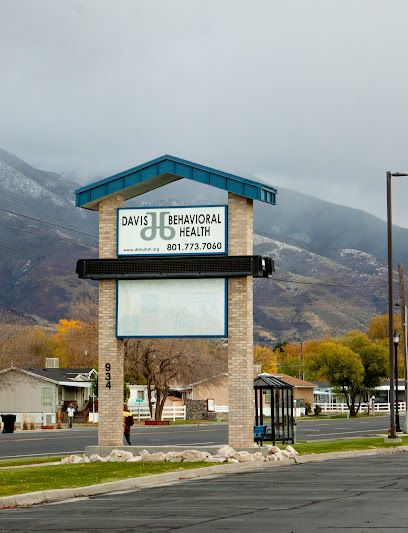
Davis Behavioral Health Inc Outpatient Substance Abuse
Layton, UT
- Detox
- IOP
- MAT
Substance use treatment · Cognitive behavioral therapy · Dialectical behavior therapy
Accepts: Cash or self-payment, Medicaid, Medicare
Cold Creek Behavioral Health Outpatient Services
Kaysville, UT
- Detox
- PHP
- IOP
- MAT
Substance use treatment · Accepts clients on opioid medication but prescribed elsewhere · Cognitive behavioral therapy
Accepts: Cash or self-payment, Private health insurance, Military insurance
Cold Creek Behavioral Health Outpatient Services
Kaysville, UT
- Detox
- PHP
- IOP
- MAT
Substance use treatment · Accepts clients on opioid medication but prescribed elsewhere · Cognitive behavioral therapy
Accepts: Cash or self-payment, Private health insurance, Military insurance
Cold Creek Behavioral Health Female Sober Living
Kaysville, UT
- Residential
- Outpatient
- MAT
- Sober Living
Substance use treatment · Accepts clients on opioid medication but prescribed elsewhere · Cognitive behavioral therapy
Accepts: Cash or self-payment, Private health insurance, Military insurance
Cold Creek Behavioral Health Sober Living
Kaysville, UT
- Detox
- PHP
- IOP
- MAT
Substance use treatment · Accepts clients on opioid medication but prescribed elsewhere · Cognitive behavioral therapy
Accepts: Cash or self-payment, Private health insurance, Military insurance
CLD3 Counseling Layton Site
Layton, UT
- IOP
Substance use treatment · Accepts clients on opioid medication but prescribed elsewhere · Cognitive behavioral therapy
Accepts: Cash or self-payment, Medicaid, State-financed health insurance plan other than Medicaid