

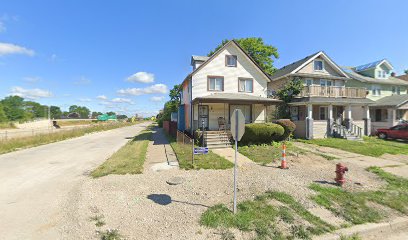
At a Glance
Location
1121 East McNichols, Highland Park, MI 48203
Phone
313-365-3100Primary Focus
Treatment Settings
Treatment Approaches
Special Programs
About Detroit Recovery Project Inc
Detroit Recovery Project Inc is an outpatient addiction treatment center serving Detroit, MI and surrounding Wayne County communities. Accredited by CARF, the facility offers structured outpatient programming alongside aftercare support designed to sustain long-term recovery — including peer mentorship training and community health worker development for those ready to give back.
Detroit Recovery Project Inc operates as a CARF-accredited outpatient clinic at 1121 East McNichols Road in Highland Park, MI, within the greater Detroit recovery community. As an outpatient treatment center rooted in Wayne County, it focuses on building durable pathways to sobriety rather than short-term stabilization alone — making it a practical option for individuals weighing ongoing substance abuse treatment and sustained recovery over time.
The center's core level of care is an Outpatient Program, providing structured addiction treatment that allows participants to continue living in their communities while engaged in recovery. This model is well-suited for people transitioning from residential treatment, those earlier in their recovery journey who need flexible scheduling, and anyone seeking a recovery center that fits around work, family, and community obligations.
Cognitive Behavioral Therapy (CBT) anchors the clinical approach at Detroit Recovery Project. The program also addresses co-occurring mental illness alongside substance abuse, recognizing that lasting recovery often requires treating both conditions together. A 24-hour crisis services line adds a critical layer of support between scheduled sessions, giving clients and families a direct resource when challenges arise outside of regular programming.
Detroit Recovery Project serves individuals who are Deaf or Hard of Hearing and those referred through the court system — two populations that frequently face barriers accessing quality outpatient programs. The aftercare infrastructure here stands out: graduates can pursue the Certified Peer Recovery Mentor (CPRM) Academy, the Community Health Workers Training Program, or Adult Mental Health First Aid training. These pathways transform alumni into active contributors to Detroit's broader recovery community. Payment options include Medicaid, Medicare, private insurance, state insurance, self-pay, sliding scale fees, and financial assistance.
Outpatient Recovery Programs Rooted in the Detroit Community
Detroit Recovery Project Inc offers structured outpatient programming for individuals pursuing sustained recovery from addiction in the Detroit metropolitan area. As a CARF-accredited outpatient clinic in Highland Park, the center is positioned to serve Wayne County residents who need consistent, community-based substance abuse treatment — whether they are stepping down from residential treatment or beginning their recovery journey in an outpatient setting.
The outpatient program model allows clients to engage in active addiction treatment while remaining connected to their jobs, families, and neighborhoods. This approach reflects a philosophy that long-term recovery is built within everyday life, not isolated from it. Cognitive Behavioral Therapy (CBT) provides the clinical foundation, helping participants recognize and reshape the thought patterns that drive substance use and mental health challenges.
Aftercare, Peer Support, and Alumni Pathways
What distinguishes Detroit Recovery Project within the regional recovery community is its commitment to life after outpatient treatment. The center operates the Certified Peer Recovery Mentor (CPRM) Academy, a formal training pathway that prepares individuals in recovery to guide others through the same process. This peer-driven model creates a cycle of community support that extends well beyond a single client's treatment episode.
Additional aftercare resources include the Community Health Workers Training Program and Adult Mental Health First Aid (MHFA) training. Together, these offerings create a structured route for alumni to develop professional skills, deepen their connection to the recovery community, and contribute meaningfully to Detroit's broader public health landscape. For families and individuals who want a recovery center invested in what comes after treatment, these programs are a defining feature of this facility.
Who Detroit Recovery Project Serves
Detroit Recovery Project serves a broad range of individuals seeking outpatient addiction treatment, with specific program capacity for populations that are often underserved. The center accepts court-ordered clients, providing a structured and credentialed recovery environment that meets legal referral requirements while still prioritizing genuine, lasting recovery outcomes. Services are also designed to be accessible for individuals who are Deaf or Hard of Hearing — a population that faces significant gaps in accessing quality substance abuse treatment.
Co-occurring mental illness is treated alongside addiction, acknowledging the clinical reality that many people navigating recovery are managing both challenges simultaneously. The availability of multiple payment options — including Medicaid, Medicare, state insurance, private insurance, self-pay, sliding scale fees, and financial assistance — means that financial barriers are less likely to stand between a Detroit-area resident and the outpatient care they need.
Payment Options and Access to Care
Detroit Recovery Project Inc accepts a wide range of payment methods designed to make outpatient addiction treatment accessible across income levels. Accepted payment includes Medicaid, Medicare, state insurance, and private insurance, alongside self-pay and cash options. For those without sufficient coverage, sliding scale fees and financial assistance are also available.
This breadth of payment options reflects the center's commitment to reducing barriers for Detroit-area residents seeking substance abuse treatment and recovery support. Prospective clients and families can reach the center directly at (313) 365-3100 or by email at [email protected] to discuss payment and program eligibility.
Why Choose Detroit Recovery Project Inc
- CARF-accredited outpatient program with a dedicated focus on long-term community recovery, not just acute stabilization
- Aftercare tracks that turn alumni into Certified Peer Recovery Mentors and Community Health Workers — a rare investment in the Detroit recovery community
- Specialized access for Deaf and Hard of Hearing individuals, addressing a population frequently underserved by outpatient programs
- Integrated treatment for co-occurring mental illness alongside substance abuse, using Cognitive Behavioral Therapy
- 24-hour crisis services line provides continuous support between outpatient sessions
Frequently Asked Questions
What level of care does Detroit Recovery Project offer?
Detroit Recovery Project provides an Outpatient Program, making it a strong fit for individuals who need structured addiction treatment while continuing to live at home or in the community. This level of care is suitable for people transitioning from residential treatment as well as those beginning their recovery in an outpatient setting.
Is Detroit Recovery Project accredited?
Yes. Detroit Recovery Project Inc holds CARF accreditation, which reflects an independent review of the center's programs, practices, and quality standards. CARF accreditation is a meaningful marker when evaluating outpatient addiction treatment and recovery centers.
Does Detroit Recovery Project treat co-occurring mental health conditions?
Yes. The center treats co-occurring mental illness alongside substance use, using Cognitive Behavioral Therapy (CBT) as a primary clinical method. This integrated approach is important for individuals whose addiction intersects with mental health challenges.
What aftercare and alumni programs are available?
Detroit Recovery Project offers several post-treatment pathways including the Certified Peer Recovery Mentor (CPRM) Academy, the Community Health Workers Training Program, and Adult Mental Health First Aid (MHFA) training. These programs allow alumni to build professional credentials and remain actively connected to the recovery community.
Does Detroit Recovery Project serve court-ordered clients?
Yes. The center accepts court-ordered referrals. As a CARF-accredited outpatient clinic, it provides a structured and credentialed program environment that meets requirements for legal referrals while focusing on meaningful, long-term recovery outcomes.
Are services available for individuals who are Deaf or Hard of Hearing?
Yes. Detroit Recovery Project specifically serves individuals who are Deaf or Hard of Hearing, addressing a population that frequently faces barriers in accessing outpatient addiction treatment and recovery programs.
What payment options does Detroit Recovery Project accept?
The center accepts Medicaid, Medicare, state insurance, private insurance, self-pay and cash, sliding scale fees, and financial assistance. This range of options is intended to reduce financial barriers for Detroit-area residents seeking substance abuse treatment.
Is there crisis support available between outpatient sessions?
Yes. Detroit Recovery Project maintains a 24-hour crisis services line, giving clients and their families a direct point of contact when challenges arise outside of scheduled programming. This is an important resource for anyone navigating recovery in an outpatient setting.
Where is Detroit Recovery Project located and who does it serve?
The center is located at 1121 East McNichols Road in Highland Park, MI, within Wayne County. Its primary service area includes Detroit, MI and the surrounding region, making it accessible for residents throughout the greater Detroit metropolitan area.
How can I contact Detroit Recovery Project to learn more?
You can reach Detroit Recovery Project Inc by phone at (313) 365-3100 or by email at [email protected]. Their website is available at recovery4detroit.com for additional information about their outpatient programs and recovery services.
Nearby Treatment Centers
National Council on Alcoholism
Hamtramck, MI
- IOP
Substance use treatment · Does not use medication for opioid addiction · Cognitive behavioral therapy
Accepts: Cash or self-payment, Medicaid, Medicare
Global Health Systems Inc
Highland Park, MI
- Outpatient
- MAT
Substance use treatment · Accepts clients on opioid medication but prescribed elsewhere · All Clients in Opioid Treatment Program
Accepts: Cash or self-payment, Medicare
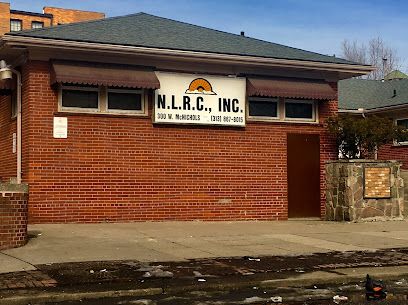
New Light Recovery Center Inc
Highland Park, MI
- IOP
- MAT
Substance use treatment · All Clients in Opioid Treatment Program · SAMHSA-certified Opioid Treatment Program
Accepts: Cash or self-payment, Medicaid, Medicare
Elmhurst Home Naomis Nest
Highland Park, MI
- Residential
- IOP
Substance use treatment · Accepts clients on opioid medication but prescribed elsewhere · Cognitive behavioral therapy
Accepts: Cash or self-payment, Medicaid, Sliding fee scale
Arab American and Chaldean Council
Highland Park, MI
- Outpatient
Substance use treatment · Does not use medication for opioid addiction · Cognitive behavioral therapy
Accepts: Cash or self-payment, Medicaid, Medicare
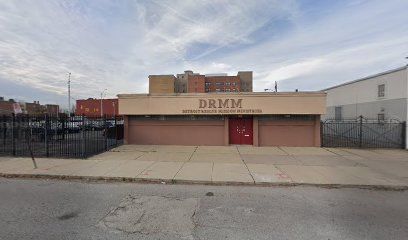
Detroit Rescue Mission Ministries Christian Guidance Center
Detroit, MI
- Detox
- Residential
Substance use treatment · Does not use medication for opioid addiction · Cognitive behavioral therapy
Accepts: Cash or self-payment, Medicaid, State-financed health insurance plan other than Medicaid