

 1 / 3
1 / 3At a Glance
Location
9708 Skillman Street, Dallas, TX 75243
Phone
877-283-2121Primary Focus
Treatment Settings
Treatment Approaches
Special Programs
About Dallas County MHMR Center DBA Dallas Metrocare Services Skillman
Dallas County MHMR Center, part of Metrocare Services, provides outpatient addiction treatment and co-occurring disorder care in Dallas, TX. Serving adolescents and specialized populations including those who are Deaf or hard of hearing and individuals with HIV/AIDS support needs, the center offers structured outpatient and intensive outpatient programming backed by CARF accreditation.
Dallas County MHMR Center, located at 4701 Samuell Boulevard in Dallas, Texas, is an outpatient clinic operating under Metrocare Services — one of North Texas's established community behavioral health networks. The center serves residents of Dallas and the broader North Texas region who are seeking substance abuse treatment and mental health support without the disruption of inpatient care. Its CARF accreditation signals a commitment to measurable, quality-driven service delivery that goes beyond minimum licensing standards.
The center offers two structured levels of outpatient addiction treatment: a standard Outpatient Program and an Intensive Outpatient Program (IOP). The IOP provides a higher frequency of clinical contact than traditional outpatient, making it a meaningful option for people whose recovery needs more consistent structure while still maintaining daily life responsibilities. Both tracks are designed to support ongoing recovery rather than serve as a bridge from acute crisis alone.
Cognitive Behavioral Therapy (CBT) is the confirmed therapeutic method practiced at the center. CBT is a skills-focused approach that helps people identify and reshape the thought patterns driving substance use and co-occurring mental health conditions. The center specifically treats co-occurring disorders and dual diagnosis, recognizing that addiction rarely exists in isolation from mental health challenges — a clinical perspective that shapes how care is delivered across both program levels.
Dallas County MHMR Center serves a notably broad range of populations, including adolescents, individuals with HIV/AIDS support needs, and those who are Deaf or hard of hearing — populations that frequently face barriers accessing mainstream addiction treatment. Accepted payment options include Medicaid, private insurance, state insurance, self-pay, and financial assistance, reducing financial obstacles to entering and sustaining a recovery program. For individuals and families in Dallas and North Texas navigating the intersection of mental health and substance use, this center offers accessible, community-rooted outpatient care.
Outpatient and IOP Recovery Programs in Dallas, TX
Dallas County MHMR Center provides two distinct outpatient tracks for people building sustained recovery from substance use and co-occurring mental health conditions. The standard Outpatient Program offers structured clinical support while allowing participants to maintain work, school, or family commitments — an important consideration for people planning long-term recovery rather than short-term stabilization. The Intensive Outpatient Program (IOP) steps up the level of engagement for those who benefit from more frequent therapeutic contact without requiring residential treatment.
Both programs are positioned within the Metrocare Services network, giving clients access to a community behavioral health infrastructure that spans Dallas and North Texas. For families researching outpatient programs and aftercare options, the dual-track structure means care can be calibrated to where a person actually is in their recovery — not just where they were at intake.
Co-Occurring Disorders and CBT-Based Substance Abuse Treatment
A defining feature of Dallas County MHMR Center is its treatment of co-occurring disorders — also called dual diagnosis — which addresses substance use alongside mental health conditions simultaneously rather than sequentially. This integrated approach reflects a clinical reality: many people in recovery are managing both challenges at once, and treating only one often leaves the other unaddressed. Cognitive Behavioral Therapy (CBT) is the therapeutic framework used at the center, giving clients practical tools to examine and change the thought and behavior patterns connected to both substance use and mental health symptoms.
For individuals and families evaluating addiction treatment options in Dallas, the center's dual diagnosis focus and CBT grounding mean that care is oriented toward long-term behavioral change, not just symptom management. CARF accreditation further reinforces that the center's programs meet externally reviewed standards for quality and outcomes measurement.
Specialized Populations Served at Dallas County MHMR Center
Dallas County MHMR Center serves populations that many addiction treatment programs do not explicitly accommodate. Adolescents have access to programming designed within their developmental context, while individuals who are Deaf or hard of hearing — a community that historically encounters significant communication barriers in behavioral health settings — are among the populations the center specifically serves. People with HIV/AIDS support needs are also included, recognizing that this population often has intersecting medical and behavioral health needs that require coordinated care.
This breadth of population focus reflects a community behavioral health mission that extends beyond typical substance abuse treatment admissions criteria. For families in Dallas and North Texas searching for a recovery center that can meet a wider range of needs, Dallas County MHMR Center's confirmed population specializations set it apart from more narrowly focused outpatient clinics.
Payment Options and Access to Care in North Texas
Financial barriers are among the most common reasons people delay or avoid entering addiction treatment. Dallas County MHMR Center accepts Medicaid, private insurance, state insurance, self-pay and cash, and offers financial assistance — a range of payment options that reflects the center's position within a county-rooted mental health and recovery services network. For residents of Dallas County and surrounding North Texas communities, these options meaningfully expand who can realistically access outpatient and IOP-level substance abuse treatment.
Individuals and family members who want to explore coverage and cost can reach the center directly at (214) 333-7052 or by email at [email protected]. More information about Metrocare Services and its programs is available at metrocareservices.org.
Why Choose Dallas County MHMR Center DBA Dallas Metrocare Services Skillman
- Explicitly serves Deaf and hard-of-hearing individuals — a population routinely underserved by addiction treatment programs
- Dual diagnosis treatment integrated across both outpatient and IOP levels, not offered as a separate add-on
- CARF-accredited outpatient clinic within the Metrocare Services community behavioral health network in North Texas
- Adolescent-specific services available alongside adult programming, broadening access across age groups
- Wide payment access including Medicaid, state insurance, private insurance, and financial assistance — lowering entry barriers for Dallas County residents
Frequently Asked Questions
What levels of addiction treatment does Dallas County MHMR Center offer?
Dallas County MHMR Center provides two outpatient levels of care: a standard Outpatient Program and an Intensive Outpatient Program (IOP). The IOP involves more frequent clinical contact than standard outpatient and is suited for people who need structured support while continuing to live at home. Both tracks address substance use alongside co-occurring mental health conditions.
Does Dallas County MHMR Center treat co-occurring mental health and substance use disorders?
Yes. Dual diagnosis — the treatment of co-occurring substance use and mental health disorders — is a confirmed specialty at this center. Rather than treating addiction and mental health separately, the center addresses both within its outpatient programming, which is a significant consideration for people whose recovery involves both challenges.
What therapy approaches are used at Dallas County MHMR Center?
Cognitive Behavioral Therapy (CBT) is the confirmed therapeutic method at Dallas County MHMR Center. CBT is a structured, skills-based approach that helps individuals identify and change thought patterns and behaviors associated with substance use and co-occurring mental health conditions. It is widely used in outpatient and IOP settings because it equips people with practical tools applicable to daily life in recovery.
Does Dallas County MHMR Center serve adolescents?
Yes. Adolescents are among the confirmed populations served at the center. This makes Dallas County MHMR Center a relevant option for families in Dallas and North Texas looking for outpatient addiction treatment or dual diagnosis support for younger individuals.
Are there services available for people who are Deaf or hard of hearing?
Dallas County MHMR Center explicitly serves individuals who are Deaf or hard of hearing. This is a population that often faces significant communication barriers in behavioral health and addiction treatment settings, and the center's inclusion of this group reflects its broader community health mission.
What payment options does Dallas County MHMR Center accept?
The center accepts Medicaid, private insurance, state insurance, self-pay and cash, and provides financial assistance options. This range of accepted payment methods makes the center accessible to a broad cross-section of Dallas County and North Texas residents who may be at different financial starting points when entering recovery.
Is Dallas County MHMR Center accredited?
Yes. Dallas County MHMR Center holds CARF accreditation. CARF (Commission on Accreditation of Rehabilitation Facilities) is an independent, internationally recognized accrediting body that evaluates programs against established standards for quality and outcomes in behavioral health and addiction treatment.
What geographic area does Dallas County MHMR Center serve?
The center serves residents of Dallas and the broader North Texas region. It is located at 4701 Samuell Boulevard in Dallas, TX 75228, within the Metrocare Services community behavioral health network.
How is an Intensive Outpatient Program (IOP) different from a standard outpatient program?
An IOP involves a higher level of clinical engagement than a standard outpatient program, with more frequent sessions per week. Dallas County MHMR Center offers both tracks, allowing individuals to be placed — or to move between levels — based on the intensity of support their recovery requires at a given point in time, all while continuing to live in the community.
How can I contact Dallas County MHMR Center to learn more or get started?
You can reach Dallas County MHMR Center by phone at (214) 333-7052 or by email at [email protected]. Additional information about the center and Metrocare Services is available at metrocareservices.org.
Nearby Treatment Centers
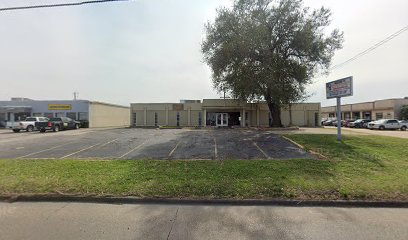
WTCR Garland
Garland, TX
- Detox
- Outpatient
- MAT
Substance use treatment · All Clients in Opioid Treatment Program · SAMHSA-certified Opioid Treatment Program
Accepts: Cash or self-payment, Medicaid, Medicare
Zoom Initiatives Inc
Dallas, TX
- IOP
Substance use treatment · Accepts clients on opioid medication but prescribed elsewhere · Cognitive behavioral therapy
Accepts: Cash or self-payment, State-financed health insurance plan other than Medicaid, Private health insurance
Addicare Group of Texas
Garland, TX
- IOP
Substance use treatment · Does not treat opioid addiction · Cognitive behavioral therapy
Accepts: Cash or self-payment, Military families
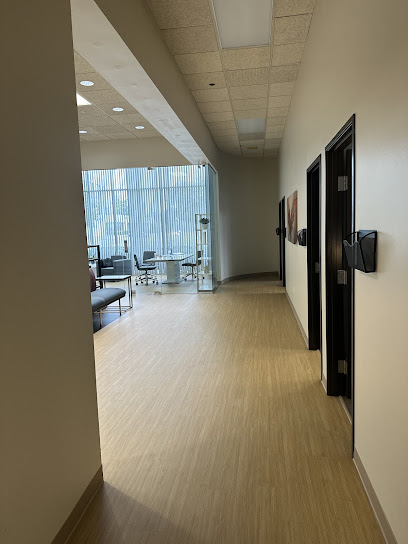
Phoenix Associates Counseling Services
Garland, TX
- PHP
- IOP
Substance use treatment · Accepts clients on opioid medication but prescribed elsewhere · Cognitive behavioral therapy
Accepts: Cash or self-payment, Medicaid, Private health insurance

Medical City Green Oaks Hospital
Dallas, TX
- Detox
- PHP
- IOP
- MAT
Substance use treatment · Substance abuse counseling · Trauma-related counseling
Accepts: Cash or self-payment, Medicaid, Medicare
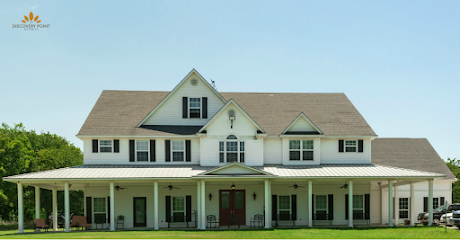
Discovery Point Retreat
Dallas, TX
- IOP
- Sober Living
Substance use treatment · Accepts clients on opioid medication but prescribed elsewhere · Cognitive behavioral therapy
Accepts: Cash or self-payment, Private health insurance, Military insurance