

 1 / 3
1 / 3At a Glance
Primary Focus
Treatment Settings
Treatment Approaches
Special Programs
About Cornell Scott Hill Health Center Ansonia Counseling Services
Cornell Scott Hill Health Center operates a Recovery & Wellness Center in Ansonia, Connecticut, offering outpatient substance use treatment to a wide range of individuals in the New Haven County area. Accredited by the Joint Commission and certified as an Opioid Treatment Program, the center brings structured outpatient recovery services to people at multiple stages of their recovery journey, including veterans, pregnant women, seniors, and those with co-occurring disorders.
Cornell Scott Hill Health Center's Recovery & Wellness Center is located at 121 Wakelee Avenue in Ansonia, Connecticut, within New Haven County. Part of a larger community health system, the recovery center is Joint Commission (JCAHO) accredited and holds an Opioid Treatment Program (OTP) certification — two distinctions that set it apart from many standalone outpatient providers in the region. The center treats substance use alongside co-occurring mental health conditions, making it a resource for people whose recovery needs go beyond a single diagnosis.
The center's primary level of care is an outpatient program, which allows individuals to receive structured substance abuse treatment while continuing to live and function in their communities. This format is well-suited for people seeking ongoing recovery support rather than residential placement, including those stepping down from a higher level of care or building a long-term recovery plan from the ground up. The OTP certification signals that the program is equipped to address opioid use as part of its outpatient services.
Cognitive Behavioral Therapy (CBT) is a confirmed therapeutic method used within the program. CBT is a structured, skills-based approach that helps individuals identify and change thought patterns connected to substance use — a practical fit for outpatient recovery where clients are actively navigating real-world challenges. The program also addresses trauma and PTSD alongside addiction, reflecting recognition that co-occurring disorders often require integrated treatment within the same recovery framework.
Cornell Scott Hill Health Center serves a notably broad population: veterans, pregnant women, seniors, men, women, people living with HIV/AIDS, deaf and hard-of-hearing individuals, and those who are court-ordered into treatment. Payment options include Medicaid, Medicare, private insurance, state insurance, self-pay, and sliding scale fees — removing financial barriers that often prevent people from accessing sustained addiction treatment. For individuals and families in the greater Ansonia area looking for a community-rooted outpatient program with deep experience serving diverse populations, this recovery center offers a meaningful place to start.
Outpatient Addiction Treatment in Ansonia, Connecticut
Cornell Scott Hill Health Center's Recovery & Wellness Center provides outpatient substance abuse treatment from its Ansonia, CT location. As part of a broader community health system, the recovery center is positioned to serve individuals who want to build lasting recovery without stepping away from their daily lives, jobs, or families. The outpatient program model supports people across multiple points in the recovery journey — whether entering treatment for the first time or maintaining progress after a more intensive level of care.
The center holds Joint Commission (JCAHO) accreditation and is certified as an Opioid Treatment Program (OTP), two markers of clinical accountability that matter when evaluating a long-term recovery partner. Accepting Medicaid, Medicare, private insurance, state insurance, self-pay, and sliding scale payments, the program works to keep financial circumstances from becoming a barrier to ongoing recovery support.
Co-Occurring Disorders and Trauma-Informed Recovery
A defining feature of this recovery center is its focus on the intersection of substance use and mental health. The program treats co-occurring disorders and dual diagnosis alongside addiction, and specifically addresses trauma and PTSD — conditions that frequently underlie or complicate substance use. For people whose recovery needs involve more than substance abuse treatment alone, this integrated focus is a meaningful differentiator.
Cognitive Behavioral Therapy (CBT) is the confirmed therapeutic method applied within the program. CBT equips people in recovery with concrete tools to recognize and interrupt patterns of thinking that drive substance use — a skill set that remains useful long after formal treatment ends. This approach aligns well with the outpatient format, where clients are actively applying recovery skills in their everyday environments.
Who Cornell Scott Hill Health Center Serves
The Recovery & Wellness Center maintains one of the more inclusive population mandates in the region. The program is specifically equipped to serve veterans, pregnant women, seniors and older adults, men, women, people living with HIV/AIDS, deaf and hard-of-hearing individuals, and those entering treatment through court order. This breadth reflects a genuine community health mission — meeting people where they are rather than filtering for straightforward cases.
For families supporting a loved one through recovery, the diversity of populations served means the program has experience navigating complex circumstances. Veterans dealing with service-related trauma, older adults managing long-term substance use, and pregnant women requiring careful clinical coordination can all access this outpatient program within the same New Haven County community health framework.
Payment and Access at the Ansonia Recovery Center
Access to sustained addiction treatment often hinges on payment logistics, and Cornell Scott Hill Health Center accepts a wide range of coverage options. Medicaid, Medicare, state insurance, and private insurance are all accepted, alongside self-pay and sliding scale arrangements. This range is particularly significant for individuals in outpatient programs, where treatment can span months and consistent access to affordable care is essential to long-term recovery outcomes.
The center operates Monday through Friday, 8:00 AM to 5:00 PM, and is located at 121 Wakelee Avenue in Ansonia, CT. Prospective clients and family members can reach the center at (203) 503-3650 or visit cornellscott.org for more information about beginning or continuing the recovery process.
Why Choose Cornell Scott Hill Health Center Ansonia Counseling Services
- Certified Opioid Treatment Program (OTP) within an outpatient recovery setting — a credential not all community health centers carry
- Joint Commission (JCAHO) accreditation signals adherence to rigorous clinical and operational standards
- Integrated treatment for co-occurring disorders and trauma/PTSD alongside substance use — not siloed care
- One of the broader population mandates in the region: explicitly serves veterans, pregnant women, seniors, deaf/hard-of-hearing individuals, and court-ordered clients
- Flexible payment options including Medicaid, Medicare, state insurance, and sliding scale fees make sustained recovery accessible across income levels
Frequently Asked Questions
What level of care does Cornell Scott Hill Health Center's recovery program offer?
The Recovery & Wellness Center at Cornell Scott Hill Health Center offers an outpatient program for substance use treatment. This level of care allows individuals to engage in structured addiction treatment while remaining in their home community — a format suited for people building or sustaining long-term recovery rather than requiring residential placement.
Is Cornell Scott Hill Health Center accredited for addiction treatment?
Yes. The center holds accreditation from the Joint Commission (JCAHO), one of the most recognized accrediting bodies in behavioral health and addiction treatment. It is also certified as an Opioid Treatment Program (OTP) by the relevant regulatory authority.
Does the program treat co-occurring mental health conditions alongside substance use?
Yes. Cornell Scott Hill Health Center's recovery program specifically treats co-occurring disorders and dual diagnosis, as well as trauma and PTSD. Integrated treatment for mental health and substance use within the same program is a confirmed feature of the center's outpatient services.
What therapy approaches are used in the outpatient recovery program?
Cognitive Behavioral Therapy (CBT) is a confirmed therapeutic method used within the program. CBT is a structured approach that helps individuals develop skills to recognize and address thought patterns connected to substance use, making it well-suited for the ongoing work of outpatient recovery.
Who does Cornell Scott Hill Health Center's recovery program serve?
The program serves a broad range of populations, including veterans, pregnant women, seniors and older adults, men, women, people living with HIV/AIDS, deaf and hard-of-hearing individuals, and those entering treatment through a court order. This inclusive approach reflects the center's community health mission.
What payment options are accepted at the Ansonia recovery center?
The center accepts Medicaid, Medicare, private insurance, state insurance, self-pay, and sliding scale payment arrangements. This range of options makes the outpatient program accessible to individuals and families across a variety of financial situations.
Does Cornell Scott Hill Health Center accept Medicaid or Medicare for addiction treatment?
Yes. Both Medicaid and Medicare are accepted payment options at the Recovery & Wellness Center. State insurance and private insurance are also accepted, along with self-pay and sliding scale fees for those without coverage.
What are the hours of operation for the recovery program?
The Recovery & Wellness Center operates Monday through Friday, 8:00 AM to 5:00 PM. The center is located at 121 Wakelee Avenue in Ansonia, Connecticut. You can contact them directly at (203) 503-3650 for appointment information.
Does the program have experience treating veterans in recovery?
Yes. Veterans are among the explicitly listed populations served by Cornell Scott Hill Health Center's outpatient recovery program. The program's integration of trauma and PTSD treatment alongside substance abuse treatment is particularly relevant for veterans whose recovery may involve both concerns.
Is Cornell Scott Hill Health Center part of a larger health system?
Yes. Cornell Scott Hill Health Center is a community health system operating multiple locations, of which the Recovery & Wellness Center in Ansonia is one. The broader system includes services at other Connecticut sites, though the outpatient substance use treatment program is located at 121 Wakelee Avenue in Ansonia.
Nearby Treatment Centers
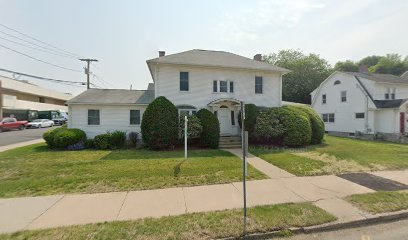
Outpatient Psychiatric Clinic
Derby, CT
- IOP
- MAT
Substance use treatment · Accepts clients on opioid medication but prescribed elsewhere · Cognitive behavioral therapy
Accepts: Cash or self-payment, Medicaid, Medicare
Griffin Hospital Dual Diagnosis Services
Derby, CT
- IOP
- MAT
Substance use treatment · Accepts clients on opioid medication but prescribed elsewhere · Dialectical behavior therapy
Accepts: Cash or self-payment, Medicaid, Medicare
BHcare Inc
Ansonia, CT
- IOP
- MAT
Substance use treatment · Cognitive behavioral therapy · Dialectical behavior therapy
Accepts: Cash or self-payment, Medicaid, Medicare
MCCA Derby Outpatient
Derby, CT
- IOP
- MAT
Substance use treatment · Accepts clients on opioid medication but prescribed elsewhere · Cognitive behavioral therapy
Accepts: Cash or self-payment, Medicaid, Private health insurance
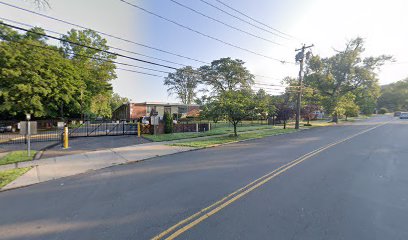
APT Foundation Inc Residential Services Division
New Haven, CT
- Residential
- MAT
Substance use treatment · SAMHSA-certified Opioid Treatment Program · Cognitive behavioral therapy
Accepts: Medicaid, State-financed health insurance plan other than Medicaid
APT Foundation Inc Amethyst House
New Haven, CT
- Residential
- MAT
Substance use treatment · SAMHSA-certified Opioid Treatment Program · Cognitive behavioral therapy
Accepts: Medicaid, State-financed health insurance plan other than Medicaid, Private health insurance