

 1 / 3
1 / 3At a Glance
Location
2950 North Dodge Boulevard, Tucson, AZ 85716
Phone
520-327-9863Primary Focus
Treatment Settings
Treatment Approaches
Special Programs
About Community Bridges Inc Dodge Residential
Community Bridges Inc Dodge Residential is a 24/7 residential addiction treatment and crisis stabilization center located in Tucson, Arizona, serving people working through substance use disorder and co-occurring mental health conditions. Operating since 1982, the center supports women, veterans, families, adolescents, and individuals with serious mental illness, and connects residents to ongoing peer support, supportive housing, and continued recovery programs after treatment.
Community Bridges Inc Dodge Residential sits on North Dodge Boulevard in Tucson, Arizona, and has been part of the region's recovery landscape since 1982. Part of the broader Community Bridges Inc network — which operates across Arizona, Oklahoma, and Washington, DC — this Pima County facility functions as a residential treatment center for adults and youth navigating substance use disorder and mental health challenges at the same time. For people seeking more than a short-term fix, it represents a structured, longer-term recovery environment backed by an organization with decades of community roots.
The center offers residential treatment, inpatient care, and crisis stabilization as its primary levels of care. Residential programming places people in a live-in recovery environment where the focus shifts away from acute crisis and toward building the skills and support systems needed for lasting sobriety. Crisis stabilization services extend that reach to individuals who need immediate, short-term intervention before stepping into or continuing a longer recovery program. Together, these levels of care create a continuum within a single facility rather than requiring clients to transfer between disconnected providers.
Community Bridges Inc Dodge Residential operates around the clock, every day of the week — a practical detail that matters when someone is ready to commit to treatment and cannot wait. The facility is staffed under the medical leadership of Chief Medical Officer Annette Lusko, DO, reflecting an organizational commitment to medically grounded care for substance use and mental health conditions. The center treats both conditions together, which is significant for people whose recovery path involves managing serious mental illness alongside addiction.
The populations this center intentionally serves set it apart from many general rehabilitation programs. Services are specifically designed for women, children, adolescents, veterans, families, and individuals with serious mental illness — groups that often require more than a standard adult residential program. Aftercare is built into the model through continued recovery programs, peer support, and connections to supportive housing, giving residents a foundation that extends well beyond their time on campus. For families in the Tucson area and across Arizona evaluating a long-term recovery partner, Community Bridges Inc Dodge Residential offers a depth of population-specific experience that generic rehab facilities rarely match.
Residential Treatment & Crisis Stabilization in Tucson
Community Bridges Inc Dodge Residential provides residential addiction treatment and crisis stabilization services from its Tucson campus on North Dodge Boulevard. As part of one of the Southwest's most established behavioral health organizations — one that has served communities since 1982 — the center offers people in recovery a structured live-in environment where both substance use disorder and mental health conditions are addressed together.
Crisis stabilization at the same location means that someone entering at a moment of acute need does not have to navigate a transfer to access ongoing residential care. That continuity matters for people who are building trust with a treatment team and trying to maintain momentum in early recovery. The facility is open 24 hours a day, every day, so access to care is never contingent on business hours.
Who This Recovery Center Serves
Not every residential rehab program is built to serve the full range of people who need it. Community Bridges Inc Dodge Residential specifically extends its programs to women, children, adolescents, veterans, families, and individuals living with serious mental illness — populations whose recovery needs often differ significantly from those addressed in standard adult programming. Veterans, for example, frequently enter treatment managing the intersection of trauma and addiction. Adolescents require age-appropriate approaches distinct from adult care. Families benefit when a facility recognizes that recovery does not happen in isolation.
The center's dual-focus model — treating substance use disorder and mental health conditions in the same setting — is especially relevant for individuals with serious mental illness, who are statistically more likely to experience substance use challenges and less likely to receive integrated care. For families evaluating addiction treatment options in Pima County and across Arizona, this intentional population focus is a meaningful differentiator.
Aftercare, Peer Support & Life After Residential Treatment
Completing a residential program is a milestone, but sustained recovery depends heavily on what comes next. Community Bridges Inc Dodge Residential addresses that reality through aftercare resources that include continued recovery programs, peer support, and connections to supportive housing. These resources are designed to help people maintain the progress they made during inpatient or residential care and navigate the transition back into everyday life with community backing.
Peer support — connection with others who have lived experience in recovery — is a documented factor in long-term sobriety. By building it into the aftercare model, the center positions itself as a longer-term recovery partner rather than a facility whose involvement ends at discharge. For the Sober Nation community, where sustainable recovery and ongoing support networks are priorities, this structure is a key reason to consider Community Bridges Inc Dodge Residential as a treatment option.
Medical Leadership & the Broader Community Bridges Network
Community Bridges Inc Dodge Residential operates under the medical leadership of Chief Medical Officer Annette Lusko, DO, providing physician-level oversight to the residential treatment and crisis stabilization programs on site. Medical leadership at the organizational level reflects a commitment to care that takes co-occurring conditions seriously — important for residents managing both addiction and mental health diagnoses simultaneously.
The facility is one part of a larger Community Bridges Inc network that extends across Arizona, Oklahoma, and Washington, DC. That organizational scale can mean access to a broader continuum of services and resources than a standalone rehab might offer. For people in Tucson and throughout Arizona who are building a long-term recovery plan, the network's depth and the facility's 40-plus years of operation represent a foundation that newer or smaller programs may not be able to match.
Why Choose Community Bridges Inc Dodge Residential
- Operating since 1982 with deep roots in the Tucson recovery community and a multi-state network spanning Arizona, Oklahoma, and Washington, DC
- Residential and inpatient care paired with crisis stabilization — all under one roof, available 24 hours a day, seven days a week
- Intentional focus on populations that many rehab programs underserve: women, children, adolescents, veterans, families, and individuals with serious mental illness
- Dual-focus treatment addressing both substance use disorder and co-occurring mental health conditions rather than treating them in isolation
- Built-in aftercare structure including peer support, continued recovery programs, and supportive housing connections to sustain recovery after residential treatment
Frequently Asked Questions
What levels of care does Community Bridges Inc Dodge Residential offer?
The center offers residential treatment, inpatient care, and crisis stabilization. These three levels allow individuals to receive structured, live-in addiction treatment and also access short-term stabilization when needed — all within the same facility in Tucson, Arizona.
Who does this recovery center serve?
Community Bridges Inc Dodge Residential specifically serves women, children, adolescents, veterans, families, and individuals with serious mental illness, in addition to adults with substance use disorder and co-occurring mental health conditions. This population-specific focus makes it distinct from general residential rehab programs.
Does Community Bridges Inc Dodge Residential treat co-occurring mental health conditions?
Yes. The center treats both substance use disorder and mental health conditions, including serious mental illness. Addressing both at the same time and in the same setting is central to the facility's model rather than an add-on service.
What aftercare and ongoing recovery support is available after residential treatment?
After completing residential programming, individuals can access continued recovery programs, peer support, and supportive housing connections through Community Bridges Inc. These resources are designed to sustain recovery beyond the residential stay and help people build stable lives in the community.
What are the hours of operation at Community Bridges Inc Dodge Residential?
The facility is open 24 hours a day, seven days a week — including weekends and holidays. This around-the-clock availability is particularly relevant for individuals in crisis and for families trying to arrange treatment without delay.
Where is Community Bridges Inc Dodge Residential located, and what areas does it serve?
The center is located at 2950 N Dodge Blvd in Tucson, Arizona, within Pima County. Community Bridges Inc as an organization serves residents across Arizona, Oklahoma, and Washington, DC.
Does this center serve veterans seeking addiction treatment?
Yes. Veterans are among the populations this residential recovery center specifically serves. Veterans often face unique challenges at the intersection of mental health and substance use, and the center's dual-focus treatment model is relevant for that population.
Is there peer support available through Community Bridges Inc Dodge Residential?
Peer support is part of the aftercare structure at Community Bridges Inc Dodge Residential. Connecting people in recovery with peers who have lived experience is a component of the center's continued recovery programming offered following residential treatment.
How long has Community Bridges Inc been operating?
Community Bridges Inc was founded in 1982, giving the organization more than four decades of experience serving individuals and families affected by substance use disorder and mental health conditions across the Southwest and beyond.
Does Community Bridges Inc Dodge Residential offer programs for adolescents and families?
Yes. Adolescents, children, and families are all listed among the populations this center specifically serves. This makes it one of a smaller number of residential addiction treatment facilities that extends its programming beyond adults to younger individuals and the families supporting them.
Nearby Treatment Centers
Intermountain Centers for Human Development
Tucson, AZ
- Outpatient
- MAT
Substance use treatment · Accepts clients on opioid medication but prescribed elsewhere · Cognitive behavioral therapy
Accepts: Cash or self-payment, Medicaid, Medicare

Center for Life Skills Development LLC
Tucson, AZ
- Outpatient
Substance use treatment · Does not treat opioid addiction · Cognitive behavioral therapy
Accepts: Cash or self-payment, State-financed health insurance plan other than Medicaid
Helping Ourselves Pursue Enrichment (HOPE) Inc
Tucson, AZ
- IOP
Substance use treatment · Does not treat opioid addiction · Cognitive behavioral therapy
Accepts: Medicaid
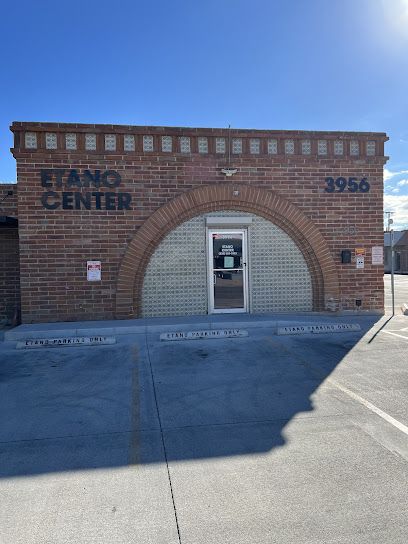
ETANO Center
Tucson, AZ
- Detox
- Outpatient
- MAT
Substance use treatment · All Clients in Opioid Treatment Program · SAMHSA-certified Opioid Treatment Program
Accepts: Cash or self-payment, Medicare, Military insurance
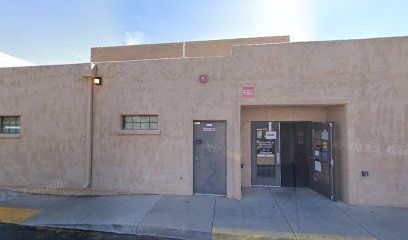
La Frontera Center
Tucson, AZ
- IOP
- MAT
Substance use treatment · Accepts clients on opioid medication but prescribed elsewhere · Cognitive behavioral therapy
Accepts: Cash or self-payment, Medicaid, Medicare

Recovery in Motion Treatment Center HLGL LLC
Tucson, AZ
- Detox
- PHP
- IOP
- MAT
Substance use treatment · Accepts clients on opioid medication but prescribed elsewhere · Cognitive behavioral therapy
Accepts: Cash or self-payment, Medicaid, Medicare