


At a Glance
Primary Focus
Treatment Settings
Treatment Approaches
Special Programs
About Childrens Center of Hamden Outpatient Treatment
Childrens Center of Hamden offers outpatient addiction treatment and behavioral health services in Hamden, CT, with a specialized focus on adolescents, youth, and young adults navigating substance use and co-occurring disorders. The program pairs Cognitive Behavioral Therapy, family involvement, and trauma-informed care to support sustained recovery within the community.
Childrens Center of Hamden (TCCOH) is an outpatient clinic located at 1400 Whitney Avenue in Hamden, Connecticut, serving New Haven County. Unlike generalist adult treatment programs, this center is built specifically around the needs of younger people — from children and adolescents through young adults ages 18 to 25 — and extends its reach to the families walking alongside them. It is one of the few outpatient recovery programs in the region that explicitly serves deaf and hard-of-hearing individuals, filling a gap that most substance abuse treatment providers leave open.
The center's primary level of care is an outpatient program, and the confirmed program length for its Extended Day Treatment track is six months. That duration reflects a commitment to sustained recovery work rather than short-cycle intervention — a model well-suited for young people who need consistent structure as they rebuild routines at home, in school, or in early employment. The outpatient format means participants remain in their communities throughout treatment, which reinforces real-world recovery skills.
Treatment at TCCOH draws on Cognitive Behavioral Therapy (CBT), family therapy, medication management, and trauma-informed care. Co-occurring disorders and dual diagnosis are explicitly part of what the clinical team addresses, recognizing that behavioral health conditions frequently accompany substance use in younger populations. Psychiatric oversight and treatment planning planning are available as facility features, supporting a thorough clinical response to each person's situation.
Childrens Center of Hamden accepts Medicaid, state insurance, private insurance, and self-pay, making the program accessible across a range of financial situations. The populations it serves — youth, adolescents, young adults, families, and deaf or hard-of-hearing individuals — reflect a deliberate focus on groups that can be underserved by standard adult-oriented rehab and outpatient programs. Families seeking a recovery center built for younger community members, with room for the whole family in the process, will find TCCOH's outpatient model worth a close look.
Outpatient Recovery Built for Young People and Their Families
Childrens Center of Hamden takes a different approach than the typical outpatient program aimed at adults. The center's treatment model is structured around younger people — youth, adolescents, and young adults up to age 25 — and explicitly includes families as participants in the recovery process, not just observers. Family therapy is woven into the clinical framework, reflecting an understanding that sustainable recovery for young people depends on the health of the relationships surrounding them.
The six-month Extended Day Treatment program gives participants the time to develop lasting coping skills rather than cycling through a short-term intervention. Staying in the community throughout treatment means recovery happens in context — at home, in neighborhoods, and alongside peers — which builds the kind of real-world resilience that supports long-term sobriety. For families evaluating outpatient programs in New Haven County, that length of engagement sets TCCOH apart from briefer models.
Treating the Whole Picture: Co-Occurring Disorders and Dual Diagnosis
Substance use rarely arrives alone in younger populations. Childrens Center of Hamden directly addresses co-occurring disorders and dual diagnosis, pairing behavioral health treatment with substance abuse treatment under one outpatient program. Psychiatric oversight is available within the facility, meaning clinical decisions about medication management and mental health care happen in coordination with the broader treatment plan rather than in separate silos.
Trauma-informed care shapes how the clinical team approaches each person's history. Cognitive Behavioral Therapy (CBT) provides a structured method for identifying and shifting the thought patterns that fuel both substance use and behavioral health challenges. Together, these approaches give young people and their families a framework for understanding the full scope of what recovery involves — and what long-term wellness can look like.
Accessibility and Inclusive Addiction Treatment in Hamden, CT
Childrens Center of Hamden accepts Medicaid, state insurance, private insurance, and self-pay, which widens access for families across different financial circumstances. The center serves the Hamden, CT area and is situated at 1400 Whitney Avenue in New Haven County, making it reachable for families throughout the greater New Haven region.
One of the program's most notable commitments is its explicit inclusion of deaf and hard-of-hearing individuals in its served populations — a distinction that few outpatient rehab or recovery programs in Connecticut make. Alongside youth, adolescents, young adults, and families, this population represents the center's genuine effort to provide addiction treatment to people who are often left without appropriate options. treatment planning planning ensures that each person's specific needs, background, and goals shape the course of their care.
What to Expect From the Outpatient Program at TCCOH
The outpatient program at Childrens Center of Hamden is designed for young people who need structured, sustained support without leaving their home environment. The Extended Day Treatment track runs for six months and integrates multiple therapeutic methods — including CBT, family therapy, trauma-informed care, and medication management — into a coordinated plan developed around each individual's clinical picture.
Because co-occurring behavioral health conditions are addressed alongside substance use, participants and their families get a more complete picture of what's driving the challenges they're facing. Psychiatric oversight is part of the program infrastructure, meaning the clinical team can respond to the full complexity of dual diagnosis presentations. For young people in New Haven County beginning or continuing a recovery journey, TCCOH's outpatient model offers a substantive, community-based path forward.
Why Choose Childrens Center of Hamden Outpatient Treatment
- One of the few outpatient programs in the Hamden area built exclusively for youth, adolescents, and young adults in recovery
- Six-month Extended Day Treatment track supports longer-term recovery work rather than brief, acute-only intervention
- Explicitly serves deaf and hard-of-hearing individuals — a population routinely overlooked by standard substance abuse treatment programs
- Family therapy is a core part of the treatment model, making this a genuine family-inclusive recovery program
- Addresses co-occurring disorders and dual diagnosis alongside substance use, with psychiatric oversight on site
Frequently Asked Questions
What level of care does Childrens Center of Hamden offer?
Childrens Center of Hamden operates as an outpatient clinic, offering an outpatient program that includes an Extended Day Treatment track. The program is community-based, meaning participants live at home or in their regular environment while attending treatment. This model is well-suited for young people who need consistent support without a residential stay.
How long is the treatment program at TCCOH?
The Extended Day Treatment program at Childrens Center of Hamden is six months in length. That duration reflects a longer-term recovery model, giving participants time to develop sustained coping skills rather than completing a brief intervention and stepping away without ongoing structure.
Who does Childrens Center of Hamden serve?
The center specifically serves youth, adolescents, young adults ages 18 to 25, families, and deaf or hard-of-hearing individuals. This population focus makes TCCOH distinct from adult-oriented outpatient programs. Families are incorporated into the treatment model, not just notified of a loved one's progress.
Does the program treat co-occurring mental health conditions alongside substance use?
Yes. Co-occurring disorders and dual diagnosis are explicitly listed as conditions treated at Childrens Center of Hamden. The program includes psychiatric oversight and medication management, allowing the clinical team to address both substance use and behavioral health needs within the same outpatient program.
What therapeutic approaches are used at Childrens Center of Hamden?
The program uses Cognitive Behavioral Therapy (CBT), family therapy, medication management, and trauma-informed care. These methods are combined with treatment planning planning and psychiatric oversight to address the full range of each participant's clinical needs.
Does TCCOH include family members in the recovery process?
Family therapy is a confirmed part of the treatment approach at Childrens Center of Hamden. Families are a listed served population, which reflects a program design that treats family involvement as central to a young person's recovery rather than supplemental to it.
What payment options does Childrens Center of Hamden accept?
The center accepts Medicaid, state insurance, private insurance, and self-pay. These options make the program accessible across a range of financial situations, including families who rely on public insurance programs.
Does TCCOH serve deaf or hard-of-hearing individuals?
Yes. Deaf and hard-of-hearing individuals are explicitly listed among the populations served at Childrens Center of Hamden. This is a notable distinction, as many outpatient addiction treatment and recovery programs do not make specific accommodations for this community.
Where is Childrens Center of Hamden located?
The center is located at 1400 Whitney Avenue in Hamden, Connecticut, within New Haven County. The service area is listed as Hamden, CT. Families in the greater New Haven region can contact the center at (203) 248-2116 or visit tccoh.org for more information.
Is the outpatient program at TCCOH appropriate for a young person dealing with both substance use and behavioral health issues?
Yes. Childrens Center of Hamden treats substance use, co-occurring disorders, and behavioral health conditions as part of its outpatient program. The inclusion of psychiatric oversight, medication management, and trauma-informed care reflects a clinical infrastructure designed to handle the complexity of dual diagnosis in younger populations.
Nearby Treatment Centers
Behavioral Health Services Hamden
Hamden, CT
- Outpatient
- MAT
Substance use treatment · Does not treat opioid addiction · Cognitive behavioral therapy
Accepts: Cash or self-payment, Medicaid, Medicare
APT Foundation Inc Orchard Hill Treatment Services
North Haven, CT
- IOP
- MAT
Substance use treatment · All Clients in Opioid Treatment Program · SAMHSA-certified Opioid Treatment Program
Accepts: Cash or self-payment, Medicaid, Medicare
Cornell Scott Hill Health Center Dixwell Behavioral Health Services
New Haven, CT
- Outpatient
- MAT
Substance use treatment · Accepts clients on opioid medication but prescribed elsewhere · Cognitive behavioral therapy
Accepts: Cash or self-payment, Medicaid, Medicare
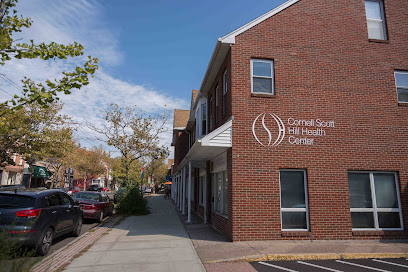
State Street Counseling Services Cornell Scott Hill Health Center
New Haven, CT
- Outpatient
- MAT
Substance use treatment · Accepts clients on opioid medication but prescribed elsewhere · Cognitive behavioral therapy
Accepts: Cash or self-payment, Medicaid, Medicare
Affiliates for Consultation and Psychotherapy
New Haven, CT
- Outpatient
Substance use treatment · Accepts clients on opioid medication but prescribed elsewhere · Cognitive behavioral therapy
Accepts: Cash or self-payment, Medicare, Private health insurance
Midwestern Connecticut Council on Alcoholism Inc/CSC
New Haven, CT
- IOP
- MAT
Substance use treatment · Accepts clients on opioid medication but prescribed elsewhere · Cognitive behavioral therapy
Accepts: Cash or self-payment, Medicaid, State-financed health insurance plan other than Medicaid