


At a Glance
Location
10 Peterboro Street, Detroit, MI 48201
Phone
313-831-3160Primary Focus
Treatment Settings
Treatment Approaches
Special Programs
About Central City Inegrated Health
Central City Health is an outpatient addiction treatment and behavioral health clinic serving Detroit and Wayne County residents since 1972. Accredited by both CARF and NCQA, the clinic offers substance abuse services alongside integrated physical health care, with a sliding fee program ensuring no one is turned away for inability to pay.
Central City Health operates from its Peterboro Street location in Detroit, Michigan, as a CARF- and NCQA-accredited outpatient clinic delivering comprehensive behavioral and physical health care to the Detroit and Wayne County community. For over 40 years the organization has worked to change the paradigm of care in Detroit — bringing high-quality, whole-person wellness services to residents who have historically faced barriers to treatment. The clinic functions as a Patient Centered Medical Home, integrating substance abuse services with broader health care under one roof.
The center's primary level of care is an Outpatient Program, making it a strong fit for people pursuing ongoing recovery who need structured support without a residential stay. This format works well for those transitioning out of higher levels of care, managing co-occurring responsibilities, or seeking a long-term recovery partner in their own community. The outpatient setting allows clients to remain connected to their lives in Detroit while building the skills and support systems that sustain lasting recovery.
Clinicians at Central City Health address co-occurring disorders and dual diagnosis alongside trauma and PTSD — two realities that frequently intersect with substance use for the populations they serve. Treatment draws on Cognitive Behavioral Therapy (CBT) and Cognitive Enhancement Therapy (CET), providing a structured, skills-based framework for understanding how thought patterns connect to behavior and substance use. This dual focus on mental health and addiction positions the clinic as more than a single-issue treatment provider.
Central City Health serves a notably broad range of people: veterans, pregnant women, young adults ages 18 to 25, seniors, men, women, individuals living with HIV/AIDS, those who are deaf or hard of hearing, and court-ordered clients. Payment options include Medicaid, Medicare, private insurance, self-pay, state insurance, and a Sliding Fee Discount Program that adjusts fees based on household size and income — a meaningful commitment to accessibility in a city where cost is often the barrier between someone and their recovery.
Outpatient Recovery Support in the Heart of Detroit
For people in recovery who need consistent, community-based support without stepping away from their lives in Detroit, Central City Health's outpatient program offers a structured path forward. Located on Peterboro Street in the Midtown area of Detroit, the clinic is accessible to residents across Wayne County and operates Monday through Thursday from 8:00 AM to 5:00 PM and Friday until 4:30 PM.
The outpatient format is well-suited for individuals who have completed a residential or higher-level program and are moving into aftercare, as well as for those whose circumstances make a residential stay impractical. Staying connected to the broader Detroit recovery community while receiving clinical support is a core advantage of this level of care — and Central City Health has been part of that community for over four decades.
Treating the Whole Person: Co-occurring Disorders and Trauma
Substance use rarely exists in isolation. Central City Health's outpatient program specifically addresses co-occurring disorders and dual diagnosis, recognizing that conditions like trauma and PTSD frequently drive or complicate addiction. This integrated focus means clients are not asked to compartmentalize their mental health needs from their recovery work.
Clinicians use Cognitive Behavioral Therapy (CBT) — a structured, skills-focused approach that helps clients identify and shift the thought patterns connected to substance use — alongside Cognitive Enhancement Therapy (CET), which is designed to strengthen cognitive functioning and social cognition. Together, these methods address both the behavioral and neurological dimensions of recovery, making them particularly valuable for clients managing dual diagnosis.
Who Central City Health Serves
Central City Health has built its outpatient program around the real diversity of people seeking addiction treatment and recovery support in Detroit. The clinic serves veterans, pregnant women, young adults between 18 and 25, seniors and older adults, individuals living with HIV/AIDS, those who are deaf or hard of hearing, and clients who are court-ordered into treatment. This breadth of experience with distinct populations means the clinical team is practiced in navigating the layered needs that accompany each group.
Accepted payment options include Medicaid, Medicare, private insurance, state insurance, self-pay, and a Sliding Fee Discount Program that scales fees according to household size and income. Financial assistance is also available. The clinic's stated commitment — that no patient is ever denied care due to an inability to pay — reflects a mission-driven approach to making recovery accessible to everyone in the Detroit and Wayne County community.
Accreditation and Integrated Health Services
Central City Health holds dual accreditation from CARF and NCQA, two of the most recognized independent quality standards bodies in behavioral and medical health care. These credentials reflect verified standards of clinical practice across both its substance abuse services and its broader health care operations — not just a single department or program.
The clinic's Patient Centered Medical Home model means that clients working on recovery can also access physical health services within the same system of care. This integration matters in long-term recovery, where whole-person health — including the physical consequences of substance use — is part of what sustainable sobriety requires. Central City Health also operates a dental facility on site, further extending its reach into comprehensive community health for Detroit residents.
Why Choose Central City Inegrated Health
- Whole-person care model integrating substance abuse treatment with physical health services under one roof — not a standalone rehab but a full Patient Centered Medical Home
- Sliding Fee Discount Program ensures no client is ever denied care due to inability to pay, making sustained recovery accessible regardless of income
- Dual accreditation from both CARF and NCQA, reflecting independently verified quality standards across both behavioral and medical services
- Specialized experience serving veterans, pregnant women, seniors, individuals with HIV/AIDS, and deaf or hard-of-hearing clients — populations that often go underserved in standard outpatient programs
- CBT and Cognitive Enhancement Therapy (CET) combined in one outpatient program, addressing both thinking patterns and cognitive functioning — particularly relevant for those with co-occurring disorders or trauma histories
Frequently Asked Questions
What level of care does Central City Health offer for addiction treatment?
Central City Health provides an Outpatient Program for substance abuse treatment. This level of care is designed for people pursuing ongoing recovery who benefit from structured clinical support while continuing to live in their own community. It is a strong option for those in long-term recovery, transitioning from a higher level of care, or managing co-occurring conditions alongside substance use.
Does Central City Health treat co-occurring mental health conditions alongside addiction?
Yes. Co-occurring disorders and dual diagnosis are among the conditions specifically treated at Central City Health. The clinic also addresses trauma and PTSD, which frequently intersect with substance use. This integrated focus means clients do not need to seek separate mental health treatment while working on their recovery.
What therapy approaches are used in Central City Health's outpatient program?
The outpatient program uses Cognitive Behavioral Therapy (CBT) and Cognitive Enhancement Therapy (CET). CBT is a structured, skills-based method that helps clients recognize and change thought patterns connected to substance use. CET is designed to strengthen cognitive and social functioning, which can be especially useful for clients with dual diagnosis or trauma histories.
What insurance and payment options does Central City Health accept?
Central City Health accepts Medicaid, Medicare, private insurance, state insurance, self-pay and cash, and offers a Sliding Fee Discount Program that adjusts costs based on household size and income. Financial assistance is also available. The clinic's stated policy is that no patient is ever denied care due to an inability to pay.
Who does Central City Health's addiction treatment program serve?
The outpatient program serves a wide range of populations, including veterans, pregnant women, young adults ages 18 to 25, seniors and older adults, men, women, individuals living with HIV/AIDS, people who are deaf or hard of hearing, and court-ordered clients. This breadth of experience makes the clinic well-equipped to support clients with complex or layered needs.
Is Central City Health accredited?
Yes. Central City Health holds accreditation from both CARF (Commission on Accreditation of Rehabilitation Facilities) and NCQA (National Committee for Quality Assurance). These are independent quality standards bodies that evaluate both behavioral health and medical care practices, reflecting the clinic's integrated service model.
Where is Central City Health located and what areas does it serve?
Central City Health is located at 10 Peterboro Street, 3rd Floor, in Detroit, Michigan 48201. The clinic primarily serves residents of Detroit and Wayne County. It can be reached by phone at (313) 831-3160.
What are Central City Health's hours of operation?
The clinic is open Monday through Thursday from 8:00 AM to 5:00 PM and Friday from 8:00 AM to 4:30 PM. It is closed on Saturday and Sunday. Prospective clients are encouraged to call ahead to discuss intake and scheduling.
Does Central City Health offer services beyond addiction treatment?
Yes. Central City Health operates as a Patient Centered Medical Home, integrating substance abuse services with broader physical health care. The clinic also has a dental facility on site. This whole-person model means clients in recovery can access comprehensive health services within the same care system.
Is Central City Health a good fit for someone transitioning from residential treatment into aftercare?
Central City Health's outpatient program is well-suited for people stepping down from residential treatment who need continued clinical support while reintegrating into daily life in Detroit. The program's focus on co-occurring disorders, trauma, and cognitive skills-building provides a structured foundation for the longer-term work of sustained recovery.
Nearby Treatment Centers

Mariners Inn
Detroit, MI
- Residential
- IOP
Substance use treatment · Accepts clients on opioid medication but prescribed elsewhere · Cognitive behavioral therapy
Accepts: Cash or self-payment, Medicaid, Medicare
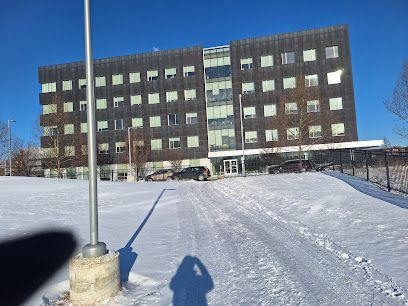
Tolan Park Research Program Wayne State Univ Physicians Group
Detroit, MI
- Outpatient
- MAT
Substance use treatment · All Clients in Opioid Treatment Program · SAMHSA-certified Opioid Treatment Program
Accepts: Cash or self-payment, Medicaid, Medicare
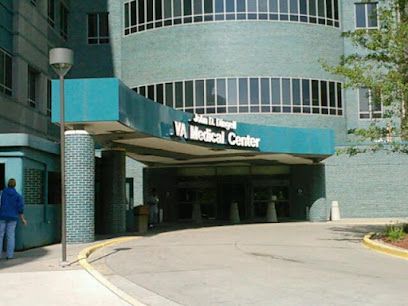
John D Dingell Veteran Affairs Med Ctr Substance Use Disorder Services (SUDS)
Detroit, MI
- Detox
- IOP
- MAT
Substance use treatment · Accepts clients on opioid medication but prescribed elsewhere · SAMHSA-certified Opioid Treatment Program
Accepts: Cash or self-payment, Medicaid, Medicare
Henry Ford Health System Behavioral Health Services
Detroit, MI
- IOP
- MAT
Substance use treatment · Cognitive behavioral therapy · Dialectical behavior therapy
Accepts: Cash or self-payment, State-financed health insurance plan other than Medicaid, Private health insurance
Get Back Up Inc
Detroit, MI
- Residential
- Outpatient
Substance use treatment · Does not treat opioid addiction · Cognitive behavioral therapy
Accepts: Cash or self-payment, Sliding fee scale
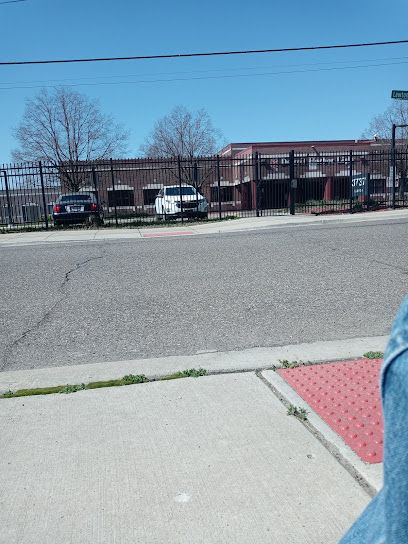
Salvation Army Harbor Light System Subst Abuse Ctr/Women/Children/Men
Detroit, MI
- Detox
- Residential
- PHP
- IOP
Substance use treatment · Cognitive behavioral therapy · Substance abuse counseling
Accepts: Cash or self-payment, Medicaid, Private health insurance