

At a Glance
Primary Focus
Treatment Settings
Treatment Approaches
Special Programs
About Center for Human Services
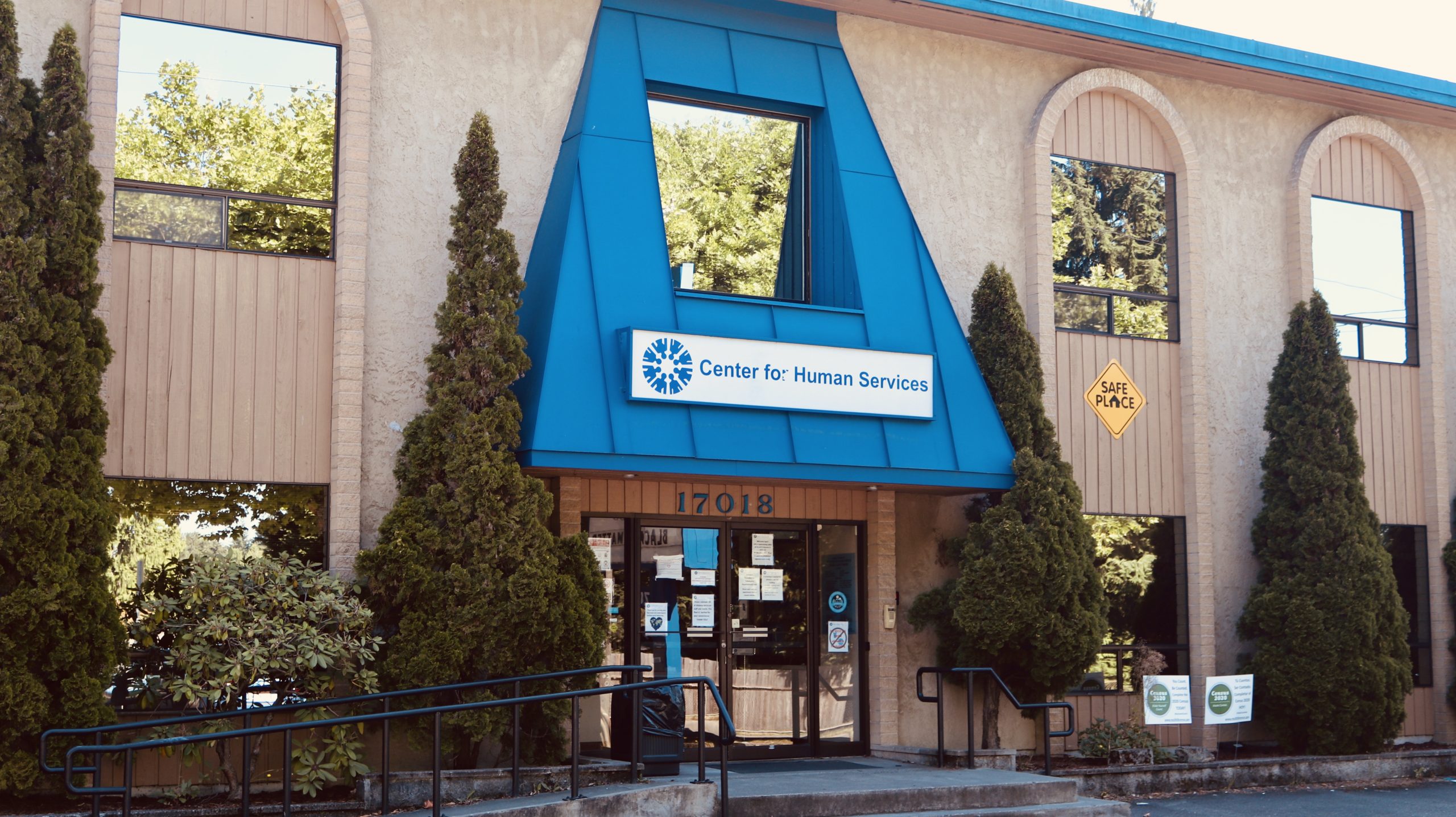
Center for Human Services is a CARF-accredited outpatient clinic in Seattle, WA, offering Outpatient and Intensive Outpatient programs for substance use disorders, co-occurring conditions, and trauma. Rooted in a mission to strengthen the community through counseling, education, and support, the center serves a wide range of individuals and families across King County.
Center for Human Services is a CARF-accredited outpatient clinic located at 17018 15th Avenue NE in Seattle, Washington, serving residents throughout King County. Its mission — to strengthen the community through counseling, education, and support to children, youth, adults, and families — reflects a broader commitment to recovery as a community endeavor, not just a clinical episode. For people evaluating longer-term addiction treatment options in the Seattle area, this center represents a community-rooted resource with a clear public accountability structure.
The center offers two distinct levels of outpatient care: a standard Outpatient Program and an Intensive Outpatient Program (IOP). The IOP is designed for individuals who need more structured support than traditional outpatient allows, without requiring residential placement — making it a practical bridge for people transitioning out of higher levels of care or managing recovery alongside work, school, or family responsibilities. Both tracks address substance use disorders alongside co-occurring mental health conditions, including trauma and PTSD.
Cognitive Behavioral Therapy (CBT) anchors the clinical approach at Center for Human Services. CBT is a structured, skills-based method that helps people identify and shift the thought patterns that drive addictive behavior — a practical fit for outpatient settings where clients are actively navigating everyday life while building recovery skills. The center also holds CARF accreditation, the internationally recognized standard for behavioral health and rehabilitation services, which signals a commitment to measurable quality and continuous program improvement.
Center for Human Services serves a notably broad population: adolescents, young adults (18–25), men, women, pregnant women, individuals who are Deaf or hard of hearing, and those referred through the court system. Services are available in both English and Farsi/Persian, expanding access for Seattle's Persian-speaking communities. Payment options include Medicaid, state insurance, private insurance, self-pay, and a sliding scale — removing common financial barriers to sustained addiction treatment and recovery support in King County.
Outpatient & Intensive Outpatient Programs for Lasting Recovery in Seattle
For individuals ready to build a stable recovery without leaving their daily lives behind, Center for Human Services offers both a standard Outpatient Program and an Intensive Outpatient Program (IOP) in Seattle's King County. The IOP level of care is particularly relevant for people moving through the recovery continuum — those stepping down from residential treatment, managing dual diagnosis conditions, or needing more clinical contact than once-weekly sessions provide.
Both program tracks treat substance use disorders alongside co-occurring conditions including trauma and PTSD. This integrated approach matters for long-term recovery outcomes: unaddressed trauma is among the most common drivers of relapse, and a program that treats both simultaneously gives clients a more complete foundation for sustained sobriety.
Who Center for Human Services Serves Across King County
The center's reach extends across a wide range of populations that many outpatient clinics do not explicitly serve. Adolescents, young adults (18–25), pregnant women, men, women, individuals who are Deaf or hard of hearing, and court-ordered clients all have a place in Center for Human Services' programs. This breadth reflects the organization's community mission — meeting people where they are rather than narrowing intake to the easiest-to-serve demographics.
Services are available in both English and Farsi/Persian, a meaningful distinction in a metro area with a significant Persian-speaking population. For family members supporting a loved one who speaks Farsi as a primary language, this language access can be the difference between engagement and dropout in the recovery process.
CBT and Dual Diagnosis Treatment: The Clinical Foundation
Cognitive Behavioral Therapy (CBT) is the confirmed therapeutic method at Center for Human Services. In an outpatient setting, CBT is especially well-suited to recovery work: it gives clients concrete tools they can apply in real-world situations between sessions, reinforcing behavioral change across the full week — not just during clinical contact hours. For someone navigating recovery while maintaining work or family obligations, that skill-building focus is practical and portable.
The center treats co-occurring disorders and dual diagnosis conditions, recognizing that substance use rarely exists in isolation from mental health. Addressing trauma and PTSD as part of the treatment plan — rather than deferring those issues to a separate provider — keeps the recovery process cohesive and reduces the coordination burden on clients and their families.
Payment Options and Access to Addiction Treatment in Seattle
Financial barriers are one of the most cited reasons people delay or forgo addiction treatment. Center for Human Services accepts Medicaid, state insurance, private insurance, and self-pay, and also offers a sliding scale fee structure. For individuals and families exploring recovery options in King County, this range of payment pathways makes sustained outpatient care financially reachable across a wide spectrum of circumstances.
CARF accreditation provides an additional layer of accountability. CARF — the Commission on Accreditation of Rehabilitation Facilities — evaluates programs against rigorous international standards for quality and outcomes. For someone choosing a long-term recovery partner, accreditation signals that the center's programs are subject to ongoing external review, not just self-reported quality claims.
Why Choose Center for Human Services
- CARF-accredited outpatient and IOP programs anchored in a community-strengthening mission — not a standalone clinical operation
- Serves one of the broadest client populations in Seattle, including adolescents, pregnant women, court-referred individuals, and Deaf/hard-of-hearing clients
- Farsi/Persian-language services expand access to an underserved linguistic community in King County
- Dual diagnosis treatment addresses trauma, PTSD, and co-occurring disorders alongside substance use — supporting the full complexity of recovery
- Multiple payment pathways — Medicaid, state insurance, private insurance, self-pay, and sliding scale — reduce financial barriers to sustained outpatient care
Frequently Asked Questions
What levels of care does Center for Human Services offer for addiction treatment?
Center for Human Services offers two outpatient levels of care: a standard Outpatient Program and an Intensive Outpatient Program (IOP). The IOP provides more structured clinical contact than traditional outpatient, making it a strong fit for people in early recovery or those stepping down from a higher level of care. Both tracks address substance use disorders alongside co-occurring conditions.
Does Center for Human Services treat co-occurring mental health conditions alongside addiction?
Yes. The center treats co-occurring disorders and dual diagnosis conditions, including trauma and PTSD, as part of its substance use disorder programming. Treating both conditions together — rather than in separate programs — supports a more cohesive recovery process and reduces the risk of mental health issues undermining sobriety over time.
What therapy approaches are used in the outpatient and IOP programs?
Cognitive Behavioral Therapy (CBT) is the confirmed therapeutic method at Center for Human Services. CBT is a structured, skills-focused approach that helps clients recognize and change the thought and behavior patterns connected to substance use — practical tools that apply directly to daily life outside of sessions.
Who does Center for Human Services serve?
The center serves a broad population including adolescents, young adults (18–25), men, women, pregnant women, individuals who are Deaf or hard of hearing, and court-ordered clients. This range reflects the center's community mission of providing counseling and support to children, youth, adults, and families across King County.
Is Center for Human Services accredited?
Yes. Center for Human Services holds CARF accreditation — recognition from the Commission on Accreditation of Rehabilitation Facilities. CARF evaluates behavioral health programs against internationally recognized standards for quality and continuous improvement, providing meaningful external accountability for the center's programs.
What payment options are accepted for addiction treatment at this center?
Center for Human Services accepts Medicaid, state insurance, private insurance, and self-pay, and also offers a sliding scale fee option. This range of payment pathways is designed to make outpatient and IOP addiction treatment accessible to individuals across different financial situations in King County.
Are services available in languages other than English?
Yes. In addition to English, services at Center for Human Services are available in Farsi/Persian. This makes the center one of a limited number of Seattle-area addiction treatment providers with confirmed access for Persian-speaking clients and their families.
Does Center for Human Services serve adolescents and young adults?
Yes. Adolescents and young adults (ages 18–25) are both explicitly listed among the populations the center serves. For families supporting a younger person through substance use recovery in King County, this is a meaningful distinction — not all outpatient clinics offer programming suited to younger populations alongside adult services.
Is Center for Human Services an option for court-ordered treatment?
Yes. The center accepts court-ordered clients as part of its confirmed populations served. Individuals referred to addiction treatment through the legal system can access both the standard Outpatient Program and the Intensive Outpatient Program, with the same range of payment and clinical options available to other clients.
What geographic area does Center for Human Services serve?
Center for Human Services is located in Seattle, Washington, and serves King County. The clinic is situated at 17018 15th Avenue NE in the 98155 zip code, in the northern Seattle area.
Nearby Treatment Centers
Therapeutic Health Services Shoreline Branch
Seattle, WA
- IOP
- MAT
Substance use treatment · SAMHSA-certified Opioid Treatment Program · Cognitive behavioral therapy
Accepts: Cash or self-payment, Medicaid, Medicare
Lakeside Milam Recovery Centers Edmonds
Edmonds, WA
- IOP
Substance use treatment · Accepts clients on opioid medication but prescribed elsewhere · Cognitive behavioral therapy
Accepts: Cash or self-payment, Private health insurance, Military insurance
Valley Cities Lake City Clinic
Seattle, WA
- IOP
- MAT
Substance use treatment · Cognitive behavioral therapy · Dialectical behavior therapy
Accepts: Cash or self-payment, Medicaid, State-financed health insurance plan other than Medicaid
Valley Cities Aurora Clinic
Seattle, WA
- IOP
- MAT
Substance use treatment · Cognitive behavioral therapy · Dialectical behavior therapy
Accepts: Cash or self-payment, Medicaid, State-financed health insurance plan other than Medicaid
Sound Lake City
Seattle, WA
- IOP
- MAT
Substance use treatment · Cognitive behavioral therapy · Dialectical behavior therapy
Accepts: Cash or self-payment, Medicaid, Medicare
Ideal Option Mountlake Terrace
Mountlake Terrace, WA
- Outpatient
- MAT
Substance use treatment · Accepts clients on opioid medication but prescribed elsewhere · Substance abuse counseling
Accepts: Cash or self-payment, Medicaid, Medicare