

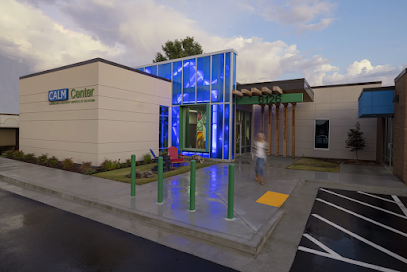
At a Glance
Primary Focus
Treatment Settings
Treatment Approaches
Special Programs
About Calm Center
Calm Center in Tulsa, Oklahoma offers medical detox and residential treatment for adults, young adults, and adolescents navigating substance use and co-occurring disorders. CARF-accredited and open 24 hours, the center pairs clinical care with individual and family therapy, after-care coordination, and expressive therapies to support recovery well beyond the initial stabilization phase.
Calm Center is a CARF-accredited substance use treatment facility located at 6126 East 32nd Place in Tulsa, Oklahoma, serving individuals and families across Tulsa County. Operating around the clock, the center addresses not only the clinical side of addiction but also the emotional and relational dimensions that shape long-term recovery — making it a resource for families seeking more than a short-term fix for their loved one.
The continuum of care at Calm Center spans medical detox through residential treatment, giving people the structure to move from medically supervised stabilization into a deeper, longer phase of recovery without having to change facilities. That continuity matters for people dealing with co-occurring disorders, where interrupted care can derail progress. Residential treatment at Calm Center allows time for the kind of consistent therapeutic work that short-term programs often cannot provide.
Clinically, Calm Center uses Cognitive Behavioral Therapy (CBT) as a core therapeutic method, helping residents examine and reshape the thought patterns that drive substance use. The center also incorporates individual and family therapy, art therapy, pet therapy, music therapy, and groups focused on coping skills — a range of modalities that speaks to the center's recognition that recovery involves more than symptom management. After-care coordination is built into the program, connecting residents to support and resources as they transition out of residential care.
Calm Center serves a notably broad population: adolescents, young adults between 18 and 25, individuals with HIV/AIDS, and those who are deaf or hard of hearing — a degree of inclusivity that sets the center apart from many regional programs. Trauma and PTSD are treated alongside addiction, reflecting the reality that co-occurring conditions are the norm, not the exception. For families in Tulsa County looking for a recovery center that will meet their loved one where they are — clinically, demographically, and in terms of ongoing support — Calm Center offers a continuum built for lasting recovery.
Medical Detox and Residential Treatment in Tulsa
Calm Center offers two levels of care — medical detox and residential treatment — that work in sequence to give individuals a stable, uninterrupted start to recovery. Medical detox provides the supervised stabilization needed at the earliest stage, while residential treatment extends the recovery process into the deeper clinical and behavioral work that produces lasting change. For people in Tulsa County, having both levels available at the same CARF-accredited facility removes a common barrier: the gap that opens when someone finishes detox and has to find a new program before they've had time to get their footing.
Residential treatment at Calm Center is designed for the long arc of recovery, not just the acute phase. Residents engage in Cognitive Behavioral Therapy, individual and family therapy, and expressive modalities like art, pet, and music therapy. Groups focused on coping skills give residents practical tools they can carry into daily life after discharge. After-care coordination is woven into the residential program so that the transition out of treatment is planned, not improvised.
Co-Occurring Disorders and Trauma-Informed Addiction Treatment
Calm Center explicitly treats co-occurring disorders and dual diagnosis alongside substance use — recognizing that trauma, PTSD, and mental health conditions are frequently entangled with addiction rather than separate from it. This matters for families selecting a recovery center: a program that treats only the substance use while leaving underlying conditions unaddressed often sees people return to use when those conditions resurface. At Calm Center, trauma and PTSD are part of the clinical picture from the start.
Cognitive Behavioral Therapy (CBT) provides a structured framework for understanding how thoughts and emotions influence behavior, which is particularly relevant for individuals managing both trauma and substance use. The addition of expressive therapies — art, pet, and music — offers residents alternative ways to process experiences that are difficult to address in talk therapy alone. Together, these approaches reflect a treatment philosophy grounded in addressing the whole person as they work toward sustained recovery.
Who Calm Center Serves: Adolescents, Young Adults, and Specialized Populations
One of the distinctive aspects of Calm Center's substance abuse treatment program is the breadth of populations it is equipped to serve. The center provides programming for adolescents and young adults ages 18 to 25 — a population that often struggles to find residential treatment that speaks to their specific developmental stage. For families with a teenager or young adult in crisis, the ability to access age-appropriate care within a full residential treatment setting is significant.
Calm Center also serves individuals who are deaf or hard of hearing and those with HIV/AIDS — populations that frequently encounter accessibility gaps in mainstream addiction treatment programs. This level of demographic inclusion, combined with CARF accreditation, reflects a commitment to meeting people where they are rather than asking them to fit a narrow treatment mold. Medicaid and financial assistance are accepted, lowering economic barriers for Tulsa County residents who need residential addiction treatment but may not have private insurance coverage.
After-Care Coordination and the Recovery Continuum
Recovery does not end at discharge, and Calm Center builds after-care coordination directly into its residential treatment program. This means that before a resident leaves, there is already a plan in place for what comes next — whether that involves outpatient support, community resources, or connections to ongoing recovery services in the Tulsa area. For families who have watched a loved one leave a treatment program with no clear next step, this structured transition planning is a meaningful differentiator.
The center's combination of individual therapy, family therapy, and coping skills groups positions residents to maintain the progress made during residential treatment as they return to daily life. Family therapy in particular acknowledges that addiction affects entire households, and that recovery is strengthened when families are brought into the process. For anyone in Tulsa County exploring rehab options that prioritize the full arc of recovery — not just the first few weeks — Calm Center's coordinated approach to aftercare is worth close consideration.
Why Choose Calm Center
- Continuous care from medical detox into residential treatment under one CARF-accredited roof in Tulsa
- Treats trauma and PTSD alongside substance use — dual diagnosis is central to the clinical model, not an add-on
- Expressive therapies including art, pet, and music therapy complement CBT-based clinical work
- Dedicated services for adolescents, young adults, deaf and hard-of-hearing individuals, and those with HIV/AIDS
- Built-in after-care coordination supports the transition from residential treatment to life in recovery
Frequently Asked Questions
What levels of care does Calm Center offer for addiction treatment?
Calm Center provides medical detox and residential treatment at its Tulsa facility. These two levels of care are designed to work in sequence, allowing individuals to move from medically supervised stabilization directly into longer-term residential treatment without having to transition to a different program.
Is Calm Center accredited?
Yes. Calm Center holds CARF accreditation, which is a recognized standard for quality in rehabilitation and addiction treatment programs. CARF accreditation means the center has met independently evaluated benchmarks for care and organizational practices.
Does Calm Center treat co-occurring mental health conditions alongside substance use?
Yes. Calm Center explicitly treats co-occurring disorders and dual diagnosis, including trauma and PTSD, as part of its addiction treatment program. Addressing underlying mental health conditions alongside substance use is central to the clinical approach at the center.
What therapeutic methods are used at Calm Center?
Calm Center uses Cognitive Behavioral Therapy (CBT) as a core clinical method, along with individual and family therapy. The center also incorporates expressive therapies including art therapy, pet therapy, and music therapy, and offers groups focused on building coping skills.
Does Calm Center offer after-care coordination?
Yes. After-care coordination is part of the residential treatment program at Calm Center. The center works with residents to develop a plan for ongoing support and recovery resources before they transition out of residential care.
What populations does Calm Center serve?
Calm Center serves adolescents, young adults between the ages of 18 and 25, individuals with HIV/AIDS, and people who are deaf or hard of hearing. This range of specialized populations sets it apart from many other residential treatment programs in the Tulsa area.
What payment options are accepted at Calm Center?
Calm Center accepts Medicaid and offers financial assistance, making residential addiction treatment more accessible to individuals and families in Tulsa County who may not have private insurance coverage.
Is Calm Center available 24 hours a day?
Yes. Calm Center operates 24 hours a day, seven days a week. For individuals in Tulsa and Tulsa County who need to connect with a residential treatment or medical detox program, the center is reachable at any time by calling (918) 394-2256.
Does Calm Center include family therapy as part of treatment?
Yes. Individual and family therapy are both part of the treatment program at Calm Center. Family involvement is integrated into the recovery process, recognizing that addiction affects entire households and that family support can strengthen long-term outcomes.
Where is Calm Center located and what area does it serve?
Calm Center is located at 6126 East 32nd Place in Tulsa, Oklahoma 74135. The center primarily serves individuals and families in Tulsa and Tulsa County. You can reach them directly at (918) 394-2256 or by email at [email protected].
Nearby Treatment Centers
Tulsa Rightway Medical
Tulsa, OK
- Outpatient
- MAT
Substance use treatment · All Clients in Opioid Treatment Program · SAMHSA-certified Opioid Treatment Program
Accepts: Cash or self-payment
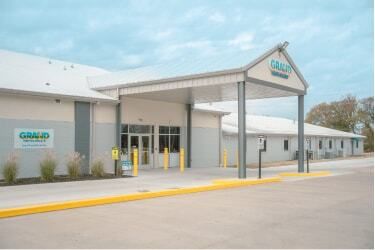
12 and 12 Inc
Tulsa, OK
- Detox
- Residential
- IOP
- MAT
Substance use treatment · Accepts clients on opioid medication but prescribed elsewhere · Cognitive behavioral therapy
Accepts: Cash or self-payment, Medicaid, State-financed health insurance plan other than Medicaid

Substance Abuse Services Inc Oklahoma Safety Center
Tulsa, OK
- Outpatient
Substance use treatment · Does not treat opioid addiction · Substance abuse counseling
Accepts: Cash or self-payment

CREOKS Behavioral Health Services
Tulsa, OK
- Detox
- Outpatient
- MAT
Substance use treatment · Accepts clients on opioid medication but prescribed elsewhere · Cognitive behavioral therapy
Accepts: Cash or self-payment, Medicaid, Private health insurance
Center for Therapeutic Interventions
Tulsa, OK
- Detox
- IOP
- MAT
Substance use treatment · SAMHSA-certified Opioid Treatment Program · Cognitive behavioral therapy
Accepts: Cash or self-payment, Medicaid, Medicare
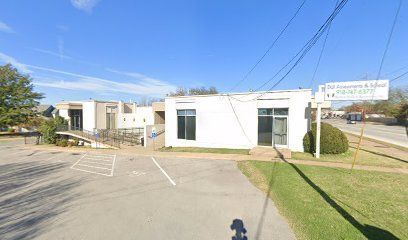
Human Skills and Resources Inc
Tulsa, OK
- Detox
- IOP
- MAT
Substance use treatment · Cognitive behavioral therapy · Substance abuse counseling
Accepts: Cash or self-payment, Medicaid, Private health insurance