


At a Glance
Primary Focus
Treatment Settings
Treatment Approaches
About CADA
CADA (Council on Alcoholism & Drug Abuse) offers residential treatment for substance use in Bossier City, LA, serving the greater Shreveport area around the clock. CARF-accredited and backed by credentialed clinical leadership, CADA provides Cognitive Behavioral Therapy-based residential care for men, women, pregnant women, and court-ordered individuals navigating long-term recovery.
Located at 1525 Fullilove Drive in Bossier City, Louisiana, CADA — the Council on Alcoholism & Drug Abuse — is a CARF-accredited substance use treatment facility serving residents of Bossier City, Shreveport, and the surrounding northwest Louisiana region. Operating 24 hours a day, CADA functions as a dedicated recovery center for people who are ready to commit to structured, residential-level care as a foundation for lasting sobriety. The facility's clinical and administrative teams bring a range of advanced credentials to the work of addiction treatment, led by Executive Director Janet Miller, MS, LAC, CCGC, CCDP-D, AADC.
CADA's primary level of care is residential treatment, placing it squarely in the longer-term recovery space rather than short-term acute intervention. Residential treatment at CADA means clients live on-site while engaging in structured programming designed to address the behavioral and psychological dimensions of substance use. This level of care allows for sustained clinical contact and consistency — factors that research consistently ties to stronger recovery outcomes — making it a meaningful option for individuals who need more than outpatient support.
Cognitive Behavioral Therapy (CBT) is the confirmed therapeutic method at the core of CADA's clinical programming. CBT is a structured, skills-based approach that helps clients identify and reshape the thought patterns and behaviors that fuel substance use. The facility's clinical team includes Program Director Christa Walker-Williams (LAC, PLPC) and ARC Clinical Supervisor Elizabeth "Deni" Nyman (LPC), reflecting a leadership structure with licensed professional counselors guiding the day-to-day treatment experience.
CADA serves a broad population — men, women, pregnant women, and court-ordered individuals — making it one of the more inclusive residential treatment programs in the Shreveport-Bossier area. Payment options include Medicaid, private insurance, TRICARE, state insurance, and self-pay, reducing financial barriers for a wide range of prospective clients. For families and individuals in northwest Louisiana evaluating a residential recovery center with demonstrated clinical credentials and regional community roots, CADA represents a substantive long-term recovery partner.
Residential Treatment in Bossier City: What CADA Offers
CADA's core program is residential treatment — a level of care that places clients in a structured, live-in setting where clinical programming is woven into daily life. For people who have tried outpatient approaches without lasting results, or whose home environments make early recovery difficult, residential treatment provides the continuity and intensity that recovery often demands. CADA's 24-hour operating schedule means support is present at every stage of the residential experience.
Cognitive Behavioral Therapy (CBT) anchors the clinical approach at CADA. Rather than focusing solely on stabilization, CBT equips clients with practical tools — skills for recognizing triggers, managing cravings, and restructuring the thinking patterns that sustain substance use. This skill-building focus is well-suited to the residential format, where clients have the time and daily structure to practice and reinforce new behavioral habits before returning to independent living.
Who CADA Serves: Populations and Pathways
CADA's residential program is designed to serve a wide cross-section of people seeking recovery. The facility accepts men, women, pregnant women, and court-ordered individuals — a breadth of population that reflects CADA's role as a community-oriented recovery resource for northwest Louisiana. Serving pregnant women in residential treatment is a specialized clinical undertaking, and CADA's inclusion of this population signals a program built for real-world complexity.
For court-ordered individuals, residential treatment at a CARF-accredited facility like CADA offers a structured, documented path through mandated substance abuse treatment. Families supporting a loved one through any of these pathways can take note that CADA's clinical team — which includes program directors and clinical supervisors with licensure in professional counseling and addiction — brings substantial professional grounding to the work of long-term recovery.
Paying for Residential Treatment at CADA
Navigating the financial side of addiction treatment is one of the most common barriers families face when evaluating residential programs. CADA accepts Medicaid, private insurance, TRICARE, state insurance, and self-pay, which together cover a broad range of financial situations. TRICARE eligibility is particularly meaningful for the military-connected community in the Shreveport-Bossier area, where active-duty families and veterans may otherwise struggle to find in-network residential treatment options.
Prospective clients and their families can reach CADA directly at (318) 222-8511 or through the facility's website at cadanwla.org to discuss insurance coverage and placement. The facility's 24-hour availability means intake inquiries are not limited to standard business hours — an important practical consideration for families working through a crisis on their own timeline.
CADA's Place in the Northwest Louisiana Recovery Community
CADA — the Council on Alcoholism & Drug Abuse — has built its identity as a regional substance use treatment resource serving Shreveport, Bossier City, and the surrounding area. Operating under CARF accreditation, CADA meets independently verified standards for the quality and structure of its addiction treatment programs, which matters when families are comparing residential options across a region. CARF accreditation is not automatically granted — it requires facilities to demonstrate consistent, measurable program quality.
The facility's leadership structure further distinguishes CADA within the local recovery landscape. Executive Director Janet Miller holds a master's degree alongside credentials in addiction counseling, gambling counseling, and dual-diagnosis treatment. The presence of a Mobile Response Team Coordinator — Austin Theriot, RPSS — on staff suggests CADA's engagement extends beyond the walls of its residential program and into the broader community recovery network that long-term sobriety depends on.
Why Choose CADA
- CARF accreditation signals a facility that has met rigorous independent standards for addiction treatment quality — not all residential programs in northwest Louisiana carry this credential
- Residential treatment available around the clock, 24 hours a day, supporting continuity of care throughout the recovery process
- Clinical leadership includes licensed addiction counselors, licensed professional counselors, and a certified gambling counselor/dual-diagnosis professional — a depth of credentialing uncommon in single-site programs
- One of the few residential treatment programs in the Shreveport-Bossier area that explicitly serves pregnant women alongside men, women, and court-ordered populations
- Broad payment access — Medicaid, TRICARE, state insurance, private insurance, and self-pay — means financial status is less likely to be a barrier to starting residential treatment
Frequently Asked Questions
What level of care does CADA provide for people in recovery?
CADA offers residential treatment, which means clients live at the facility while receiving structured clinical programming. This level of care is designed for individuals who need sustained, intensive support as the foundation for longer-term recovery — going well beyond a short-term stabilization model.
What therapeutic approach does CADA use in its residential program?
CADA uses Cognitive Behavioral Therapy (CBT) as its confirmed therapeutic method. CBT is a structured, skills-focused approach that helps clients identify and change the thought patterns and behaviors connected to substance use, building practical tools that support recovery after discharge.
Is CADA accredited?
Yes. CADA holds CARF accreditation, which is an independent, internationally recognized credential for behavioral health and addiction treatment programs. CARF accreditation requires facilities to meet specific standards for program quality and client care, and it must be maintained through ongoing reviews.
Who is eligible to receive treatment at CADA?
CADA's residential program serves men, women, pregnant women, and court-ordered individuals. This makes CADA one of the broader-access residential programs in the Shreveport-Bossier City area, with clinical capacity designed to address a range of personal circumstances and recovery needs.
Does CADA accept Medicaid or TRICARE for residential treatment?
Yes. CADA accepts Medicaid, TRICARE, private insurance, state insurance, and self-pay. TRICARE coverage is especially relevant for military-connected individuals and families in the Shreveport-Bossier area seeking accredited residential treatment.
Is CADA open around the clock?
Yes. CADA operates 24 hours a day. This means intake inquiries and support are available at any hour, which is an important practical consideration for families and individuals who may be ready to take action outside of standard business hours.
Where is CADA located and what area does it serve?
CADA is located at 1525 Fullilove Drive in Bossier City, Louisiana, and its service area includes both Bossier City and Shreveport. The facility functions as a regional substance use treatment resource for northwest Louisiana.
What credentials does CADA's clinical leadership hold?
CADA's leadership team includes credentialed addiction and mental health professionals. Executive Director Janet Miller holds an MS and credentials as a Licensed Addiction Counselor (LAC), Certified Clinical Gambling Counselor (CCGC), and Dual-Diagnosis Professional (CCDP-D, AADC). Program-level leadership includes licensed professional counselors and addiction counselors.
Does CADA provide residential treatment for pregnant women?
Yes. Pregnant women are among the confirmed populations served by CADA's residential treatment program. This reflects a facility prepared for the added clinical complexity that pregnancy introduces to substance use treatment and long-term recovery planning.
How can I contact CADA to ask about placement or insurance?
You can reach CADA by phone at (318) 222-8511 or visit their website at cadanwla.org. Because CADA operates 24 hours a day, you are not limited to contacting them during business hours — support and intake information are available around the clock.
Nearby Treatment Centers
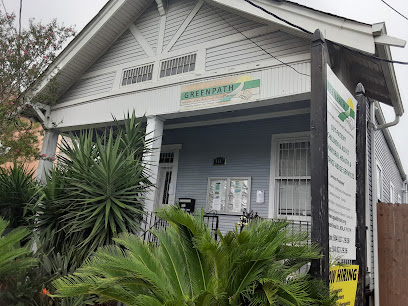
Greenpath International Inc
New Orleans, LA
- IOP
- MAT
Substance use treatment · Accepts clients on opioid medication but prescribed elsewhere · Cognitive behavioral therapy
Accepts: Cash or self-payment, Medicaid, Medicare
DRD Management Inc BHG Downtown New Orleans Trt Ctr
New Orleans, LA
- Outpatient
- MAT
Substance use treatment · All Clients in Opioid Treatment Program · SAMHSA-certified Opioid Treatment Program
Accepts: Cash or self-payment, Private health insurance, Military insurance
Southeast Louisiana Veterans Health
New Orleans, LA
- IOP
- MAT
Substance use treatment · Substance abuse counseling · Trauma-related counseling
Accepts: Cash or self-payment, Medicare, Private health insurance

Odyssey House Louisiana Inc
New Orleans, LA
- Residential
- MAT
Substance use treatment · Cognitive behavioral therapy · Substance abuse counseling
Accepts: Medicaid, State-financed health insurance plan other than Medicaid, Payment assistance
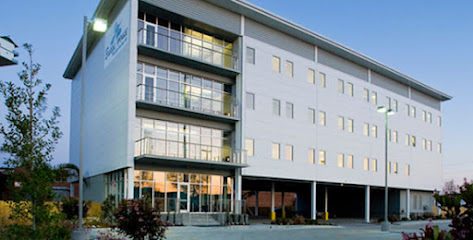
Bridge House Inc
New Orleans, LA
- Residential
Substance use treatment · Accepts clients on opioid medication but prescribed elsewhere · Cognitive behavioral therapy
Accepts: Cash or self-payment, Medicaid, Sliding fee scale
Odyssey House Louisiana Inc
New Orleans, LA
- Residential
- MAT
Substance use treatment · Cognitive behavioral therapy · Substance abuse counseling
Accepts: Medicaid, State-financed health insurance plan other than Medicaid, Payment assistance