

At a Glance
Location
1153 Centre Street, Jamaica Plain, MA 2130
Phone
617-983-7474Primary Focus
Treatment Settings
Treatment Approaches
Special Programs
About Brigham and Womens Faulkner Hosp
Brigham and Women's Faulkner Hospital's Addiction Recovery Program in Jamaica Plain, MA offers medical detox, residential treatment, and outpatient programming within a non-profit community teaching hospital setting. The program addresses co-occurring mental health conditions alongside substance use, and accepts Medicaid, Medicare, private insurance, TRICARE, state insurance, and self-pay.
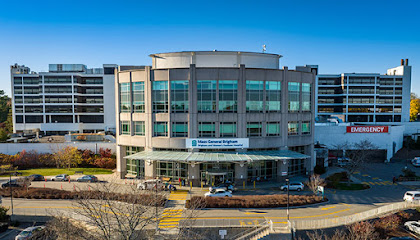
Brigham and Women's Faulkner Hospital operates its Addiction Recovery Program from its Jamaica Plain campus at 1153 Centre Street in southwest Boston, MA. As a non-profit community teaching hospital, the program sits within a broader medical environment — a meaningful distinction for people seeking addiction treatment that can respond to complex health needs alongside substance use recovery. For those evaluating longer-term recovery options in the Greater Boston area, this hospital-based setting brings a level of medical infrastructure not typically found at standalone rehab centers.
The Addiction Recovery Program offers three distinct levels of care: medical detox, residential treatment, and an outpatient program. That full continuum means a person can begin with medically supervised withdrawal management and transition into residential treatment before stepping down to outpatient care — all within the same program. That kind of continuity matters when choosing a recovery center, because frequent hand-offs between unconnected providers can disrupt progress.
Cognitive Behavioral Therapy (CBT) is a confirmed therapeutic method used within the program. CBT is a structured, skills-based approach that helps people identify and shift the thought patterns that drive substance use — a well-documented fit for sustained recovery rather than just acute stabilization. The program also treats co-occurring disorders, meaning people managing both a substance use condition and a mental health condition can receive integrated care rather than being referred elsewhere.
The program explicitly serves individuals who are Deaf or Hard of Hearing, a population often underserved by mainstream addiction treatment. Payment options are broad: Medicaid, Medicare, private insurance, TRICARE, state insurance, and self-pay are all accepted, reducing a common barrier for people at different financial starting points. For anyone in the Boston area weighing residential treatment or outpatient programming as part of a longer recovery plan, the Addiction Recovery Program at Brigham and Women's Faulkner Hospital represents a medically grounded, inclusive option.
A Full Continuum of Addiction Treatment in Jamaica Plain
One of the clearest advantages of Brigham and Women's Faulkner Hospital's Addiction Recovery Program is the availability of medical detox, residential treatment, and an outpatient program under one roof. For people planning a sustained recovery — not just an acute intervention — that continuum removes the friction of transitioning between separate providers at each stage of care.
Starting with medical detox and progressing into residential treatment and then outpatient programming allows for consistent clinical relationships and a treatment plan that evolves with the person rather than restarting at each level. That structure supports the kind of long-term recovery that goes beyond the first weeks of sobriety.
Treating Co-Occurring Disorders Alongside Substance Use
The Addiction Recovery Program at Brigham and Women's Faulkner Hospital is designed to treat co-occurring disorders — the combination of a substance use disorder and a mental health condition. This integrated approach is significant because untreated mental health conditions are among the leading drivers of relapse and treatment dropout.
Cognitive Behavioral Therapy (CBT) is a confirmed part of the program's therapeutic approach. CBT equips people with concrete skills to recognize and interrupt the thinking patterns that fuel substance use, making it a strong foundation for both residential treatment and outpatient recovery work over the long term.
Accessible Rehab for the Deaf and Hard of Hearing Community
The Addiction Recovery Program specifically serves individuals who are Deaf or Hard of Hearing — a population that faces documented barriers to accessing addiction treatment. Most rehab and substance abuse treatment programs are not built with this community in mind, making Brigham and Women's Faulkner Hospital a notable option for people who need a program that accounts for their communication needs.
Combined with a wide range of accepted payment types — Medicaid, Medicare, private insurance, TRICARE, state insurance, and self-pay — the program removes both communication and financial barriers that often prevent people from entering or completing treatment.
Payment Options at Brigham and Women's Faulkner Addiction Recovery Program
Financing addiction treatment is one of the first practical obstacles families face when evaluating rehab options. The Addiction Recovery Program accepts Medicaid, Medicare, TRICARE, state insurance, private insurance, and self-pay, covering a wide range of financial situations.
For veterans or active-duty service members, TRICARE acceptance means this hospital-based program is a viable option within their benefits. For others relying on public insurance or paying out of pocket, the range of accepted payment methods means the conversation about entering treatment does not have to start with a coverage denial.
Why Choose Brigham and Womens Faulkner Hosp
- Full care continuum — medical detox through outpatient — within a single hospital-based addiction recovery program
- Integrated dual diagnosis treatment for co-occurring mental health and substance use disorders
- Explicitly accessible to Deaf and Hard of Hearing individuals, a population frequently overlooked in addiction treatment
- Hospital setting provides medical depth uncommon in standalone residential treatment or outpatient programs
- Broad payment coverage including Medicaid, Medicare, TRICARE, state insurance, and self-pay
Frequently Asked Questions
What levels of care does the Addiction Recovery Program at Brigham and Women's Faulkner Hospital offer?
The program offers three levels of care: medical detox, residential treatment, and an outpatient program. This continuum allows people to move from supervised withdrawal management into longer-term residential treatment and then into outpatient care, all within the same program. That progression supports sustained recovery rather than addressing only the acute phase.
Does the program treat co-occurring mental health and substance use disorders?
Yes. The Addiction Recovery Program is confirmed to treat co-occurring disorders, also called dual diagnosis. This means people managing both a substance use condition and a mental health condition can receive integrated treatment rather than being referred to separate providers for each issue.
What therapy approaches are used in the Addiction Recovery Program?
Cognitive Behavioral Therapy (CBT) is a confirmed therapeutic method used in the program. CBT is a structured approach that helps people identify and change the thought patterns connected to substance use, and it is well-suited to both residential and outpatient phases of recovery.
Is the Addiction Recovery Program accessible to people who are Deaf or Hard of Hearing?
Yes. The program explicitly serves individuals who are Deaf or Hard of Hearing. This makes it one of the few addiction treatment programs in the Boston area that directly addresses the needs of this population, which is frequently underserved in mainstream rehab settings.
What insurance and payment options are accepted?
The program accepts Medicaid, Medicare, private insurance, TRICARE, state insurance, and self-pay. This range of payment options makes the program accessible to people across a wide variety of financial and insurance situations, including veterans and those on public insurance.
Does Brigham and Women's Faulkner Hospital's program include medical detox?
Yes. Medical detox is one of the confirmed levels of care offered through the Addiction Recovery Program. The hospital setting provides a medically equipped environment for the withdrawal management phase of treatment before transitioning into residential or outpatient recovery programming.
Where is the Addiction Recovery Program located?
The program is located at 1153 Centre Street in Jamaica Plain, MA, in the southwest Boston area. It is part of Brigham and Women's Faulkner Hospital, a non-profit community teaching hospital in Suffolk County.
How do I contact the Addiction Recovery Program at Brigham and Women's Faulkner Hospital?
You can reach the Addiction Recovery Program by phone at (617) 983-7474, or visit their program page at brighamandwomensfaulkner.org for more information about the services available.
Why might someone choose a hospital-based addiction recovery program over a standalone rehab center?
A hospital-based program like the one at Brigham and Women's Faulkner provides access to broader medical resources within the same institution. For people with co-occurring disorders or complex health needs, that medical depth can be an important factor when choosing between a residential treatment program and a standalone rehab facility.
Nearby Treatment Centers

Bournewood Hospital Bournewood Health Systems
Chestnut Hill, MA
- Detox
- PHP
- IOP
- MAT
Substance use treatment · SAMHSA-certified Opioid Treatment Program · Cognitive behavioral therapy
Accepts: Cash or self-payment, Medicaid, Medicare
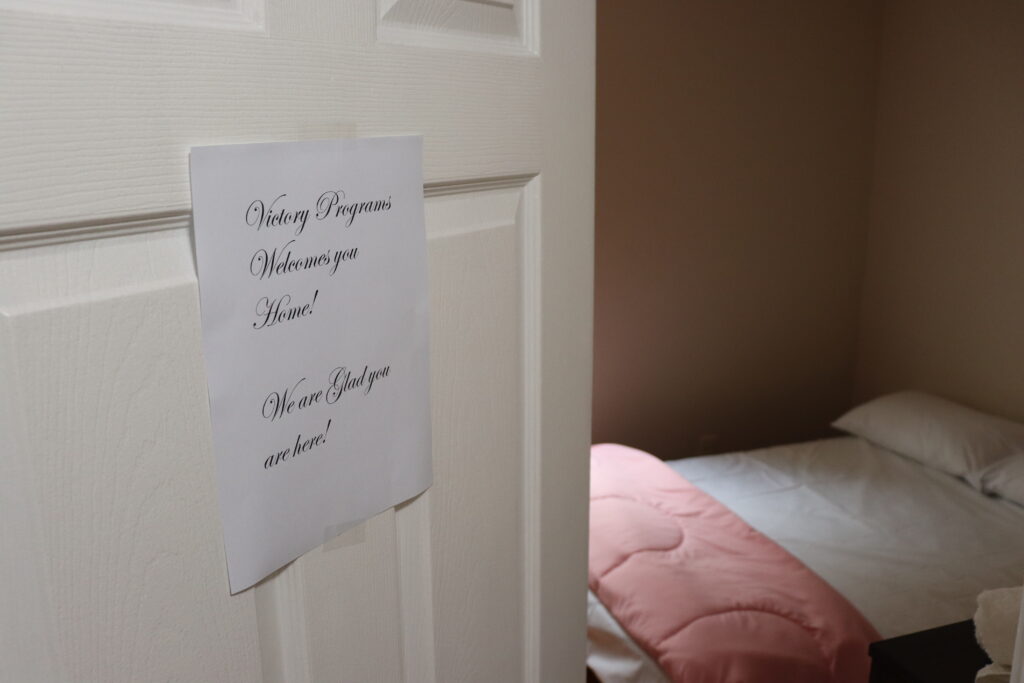
Victory Programs Inc Living and Recovery Community
Jamaica Plain, MA
- Residential
Substance use treatment · Accepts clients on opioid medication but prescribed elsewhere · Cognitive behavioral therapy
Accepts: Medicaid, State-financed health insurance plan other than Medicaid, Payment assistance
Volunteers of America Shiloh House COE
Jamaica Plain, MA
- Residential
- MAT
- Sober Living
Substance use treatment · Cognitive behavioral therapy · Dialectical behavior therapy
Accepts: Medicare, State-financed health insurance plan other than Medicaid
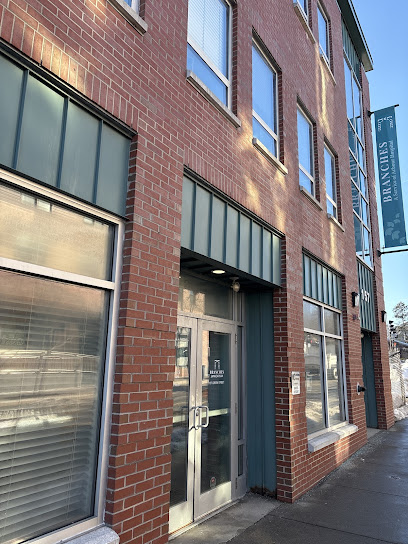
Arbour Counseling Services JP
Jamaica Plain, MA
- PHP
- IOP
- MAT
Substance use treatment · Cognitive behavioral therapy · Dialectical behavior therapy
Accepts: Cash or self-payment, Medicaid, Medicare
Arbour Counseling Services Substance Abuse Trt Program Detox
Jamaica Plain, MA
- Detox
- PHP
- IOP
- MAT
Substance use treatment · Accepts clients on opioid medication but prescribed elsewhere · Substance abuse counseling
Accepts: Cash or self-payment, Medicaid, Medicare
Lemuel Shattuck Hospital OBOT Suboxone Clinic
Jamaica Plain, MA
- Outpatient
- MAT
Substance use treatment · All Clients in Opioid Treatment Program · Cognitive behavioral therapy
Accepts: Cash or self-payment, Medicaid, Medicare