

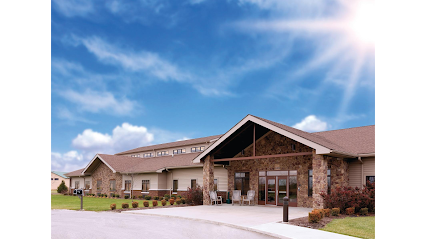
At a Glance
Primary Focus
Treatment Settings
Treatment Approaches
Special Programs
About Brentwood Springs
Brentwood Springs is a behavioral health and addiction treatment center in Newburgh, Indiana, offering a full continuum of care from medical detox through residential treatment and outpatient programming. The facility serves a wide range of populations — including adolescents, veterans, and adults with co-occurring disorders — and provides alumni support to help people sustain recovery long after discharge.
Brentwood Springs is a behavioral health hospital located at 4488 Roslin Road in Newburgh, Indiana, operating around the clock, every day of the year. The facility provides both inpatient and outpatient addiction treatment alongside mental health services, making it one of the more comprehensive substance use treatment options in the region for people who need more than short-term stabilization. For those evaluating a long-term recovery partner rather than a one-time intervention, the full continuum available under one roof is a meaningful distinction.
The center's levels of care span the entire recovery arc. Medical detox is available for those who need supervised withdrawal management before stepping into longer-term programming. From there, residential treatment provides an immersive, structured setting for people ready to do deeper work. Brentwood Springs also offers an outpatient program and an Intensive Outpatient Program (IOP), giving people the flexibility to engage in structured addiction treatment while maintaining connections to work, family, or sober living arrangements in the community.
Clinically, the center draws on Cognitive Behavioral Therapy (CBT), Dialectical Behavior Therapy (DBT), trauma-informed treatment, and medication management. Co-occurring disorders and trauma or PTSD are explicitly addressed within the treatment model — not treated as secondary concerns. The facility itself includes patient rooms, therapeutic spaces, outdoor courtyards, activity-based therapy rooms, and communal areas that support both individual work and peer connection during residential stays.
Brentwood Springs serves a notably broad population: adolescents, young adults, men, women, veterans, individuals with court-ordered treatment requirements, those with HIV/AIDS support needs, and people who are deaf or hard of hearing. TRICARE is accepted alongside Medicaid, Medicare, private insurance, and self-pay, which makes the program accessible to veterans and military families in addition to the general community. An alumni support program extends the recovery community relationship beyond discharge, reflecting the center's commitment to aftercare as part of the full treatment experience.
A Full Continuum of Addiction Treatment in Newburgh, Indiana
Brentwood Springs is built around the idea that recovery rarely fits a single level of care. The facility offers medical detox, residential treatment, an outpatient program, and an Intensive Outpatient Program (IOP) — meaning someone can move through progressively less intensive stages of treatment at the same facility rather than being handed off to an unfamiliar program at each transition. That kind of continuity matters for people in early recovery who are building trust and routine.
The outpatient and IOP tracks make Brentwood Springs a realistic option for people who have completed a residential program elsewhere and are looking for structured aftercare closer to home, or for those whose circumstances allow them to stay connected to family and work while still engaging in serious substance abuse treatment. The center's 24-hour operating schedule means that support and admissions are accessible regardless of when a crisis or decision point arises.
Treating Trauma and Co-Occurring Disorders Alongside Addiction
A significant portion of people entering addiction treatment are also managing mental health conditions — and Brentwood Springs structures its clinical approach to address both. The facility specifically treats trauma and PTSD as well as co-occurring disorders, using therapeutic methods that include Cognitive Behavioral Therapy (CBT), Dialectical Behavior Therapy (DBT), trauma-informed treatment, and medication management. These are not optional add-ons; they are integrated into the treatment model.
For people who have cycled through programs that treated addiction in isolation from mental health, this dual-diagnosis orientation can represent a meaningful difference in their recovery experience. DBT in particular is well-suited to the emotional regulation challenges that often underlie both trauma responses and substance use patterns, and its presence in the clinical toolkit signals a program willing to work with complexity rather than around it.
Who Brentwood Springs Serves — and How to Connect
The center serves adolescents, young adults between 18 and 25, men, women, veterans, individuals with HIV/AIDS support needs, people who are deaf or hard of hearing, and those with court-ordered treatment requirements. This breadth reflects a facility designed to work with populations that often encounter barriers at more narrowly focused programs. Veterans and military families specifically can use TRICARE benefits, and the center also accepts Medicaid, Medicare, private insurance, and self-pay arrangements.
Brentwood Springs can be reached by phone at (812) 858-7200 or by email at [email protected]. The facility is located at 4488 Roslin Road in Newburgh, Indiana, and is open around the clock every day of the week. For families supporting a loved one through the process of choosing a recovery center, the alumni support program is worth asking about — it is one of the concrete ways the facility maintains community ties beyond the formal treatment period.
Aftercare and Alumni Support: Recovery Beyond Discharge
One of the markers of a treatment program oriented toward long-term recovery rather than short-term stabilization is what happens after discharge. Brentwood Springs offers alumni support as part of its aftercare framework — a structure that keeps former patients connected to the recovery community they built during treatment. For many people, that ongoing connection is a meaningful protective factor in maintaining sobriety after leaving a residential or intensive outpatient setting.
The facility's inpatient environment — which includes communal areas and outdoor courtyards alongside therapeutic spaces — is designed in part to encourage the peer relationships that alumni programs later build on. Patients have described forming genuine friendships during their time at Brentwood Springs, which reflects the community-oriented dimension of the program. For those evaluating sober living and aftercare options in the Newburgh area, the alumni network is a practical resource worth exploring during the admissions conversation.
Why Choose Brentwood Springs
- Full continuum from medical detox through IOP — all under one roof in Newburgh, IN
- Explicitly treats co-occurring disorders and trauma/PTSD alongside addiction, not as afterthoughts
- Serves specialized populations including veterans (TRICARE accepted), adolescents, and court-ordered individuals
- Alumni support program keeps the recovery community connection active after formal treatment ends
- Open 24 hours a day, seven days a week for admissions and ongoing care
Frequently Asked Questions
Does Brentwood Springs offer medical detox, or does treatment start at residential level?
Brentwood Springs offers medical detox as the first level of care in its continuum, which means people can begin their treatment at the withdrawal management stage and transition directly into residential or outpatient programming without changing facilities. This is available seven days a week, 24 hours a day.
What levels of care are available at Brentwood Springs for longer-term recovery?
Beyond medical detox, Brentwood Springs provides residential treatment for those who benefit from an immersive, live-in recovery environment, as well as an outpatient program and an Intensive Outpatient Program (IOP). The IOP level is particularly relevant for people transitioning out of residential care or those who need structured treatment while maintaining outside responsibilities.
Does Brentwood Springs treat co-occurring mental health conditions alongside addiction?
Yes. Co-occurring disorders and dual diagnosis are explicitly listed as conditions treated at Brentwood Springs. Trauma and PTSD are also addressed within the clinical model. Therapeutic methods include CBT, DBT, trauma-informed treatment, and medication management.
Does Brentwood Springs accept veterans and military insurance?
Yes, Brentwood Springs accepts TRICARE, making it an accessible option for veterans and active-duty military families seeking addiction treatment or mental health services. The facility also accepts Medicaid, Medicare, private insurance, and self-pay.
Are adolescents able to receive treatment at Brentwood Springs?
Yes. Adolescents are among the populations specifically served at Brentwood Springs, alongside young adults (18–25), men, women, veterans, and individuals with court-ordered treatment requirements. The program is designed to accommodate a range of ages and circumstances.
What does Brentwood Springs offer for aftercare once formal treatment ends?
Brentwood Springs provides alumni support as part of its aftercare framework. This is designed to keep people connected to the recovery community they built during treatment. For those planning ahead for life after residential or IOP programming, asking about the alumni program during the admissions process is a good starting point.
What is the facility environment like at Brentwood Springs?
The facility includes patient rooms, therapeutic spaces, outdoor courtyards, activity-based therapy rooms, and communal areas. The communal design reflects the center's orientation toward peer connection as part of the recovery process, and patients have noted forming lasting friendships during their time there.
Is Brentwood Springs equipped to serve people who are deaf or hard of hearing?
Yes. People who are deaf or hard of hearing are listed among the populations Brentwood Springs serves. Prospective patients or family members with specific communication accommodation questions are encouraged to reach out directly at (812) 858-7200.
How do I reach Brentwood Springs to ask about admission?
Brentwood Springs is open 24 hours a day, seven days a week, and can be reached by phone at (812) 858-7200 or by email at [email protected]. The facility is located at 4488 Roslin Road in Newburgh, Indiana.
Does Brentwood Springs address trauma as part of addiction treatment?
Yes. Trauma and PTSD are explicitly listed as conditions treated at Brentwood Springs. The clinical model includes trauma-informed treatment as a core therapeutic method, alongside CBT and DBT, which means trauma is integrated into the treatment approach rather than deferred to a separate program.
Nearby Treatment Centers
Southwestern Behavioral Healthcare Inc Warrick Regional Office
Boonville, IN
- Outpatient
Substance use treatment · Accepts clients on opioid medication but prescribed elsewhere · Cognitive behavioral therapy
Accepts: Cash or self-payment, Medicaid, Medicare
Deaconess Cross Pointe Outpt Servs/Deaconess Hospital Inc
Evansville, IN
- Detox
- PHP
- IOP
- MAT
Substance use treatment · Cognitive behavioral therapy · Substance abuse counseling
Accepts: Cash or self-payment, Medicaid, Medicare
Southwestern Behavioral Healthcare Inc Moran Center
Evansville, IN
- Outpatient
Substance use treatment · Does not treat opioid addiction · Cognitive behavioral therapy
Accepts: Cash or self-payment, Medicaid, Medicare

Southwestern Behavioral Healthcare Inc Stepping Stone
Evansville, IN
- Detox
- Residential
- Outpatient
- MAT
Substance use treatment · Accepts clients on opioid medication but prescribed elsewhere · Cognitive behavioral therapy
Accepts: Cash or self-payment, Medicaid, Medicare
ADAPT Inc of Evansville DBA Adapt Counseling Services
Evansville, IN
- Outpatient
Substance use treatment · Accepts clients on opioid medication but prescribed elsewhere · Cognitive behavioral therapy
Accepts: Cash or self-payment, Active duty military, Military families

New Opportunities for Wellness (NOW) Counseling Services LLC
Evansville, IN
- Detox
- Residential
- Sober Living
Substance use treatment · Accepts clients on opioid medication but prescribed elsewhere · Cognitive behavioral therapy
Accepts: Cash or self-payment, Medicaid, Medicare