

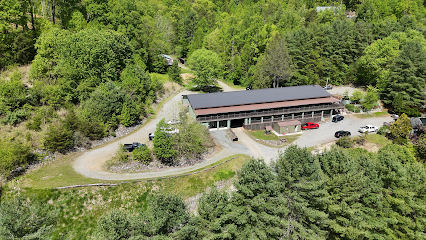
At a Glance
Location
9 Old Burnsville Hill Road, Asheville, NC 28804
Phone
828-398-0181Primary Focus
Treatment Settings
Treatment Approaches
Special Programs
About Asheville Recovery Center
Asheville Recovery Center offers outpatient and intensive outpatient addiction treatment in Asheville, NC, serving adults navigating drug addiction, alcohol addiction, dual diagnosis, and co-occurring conditions like depression, anxiety, and trauma. With an alumni community, aftercare support, and 24/7 availability, the center is built for people committed to long-term recovery — not just getting through the first week.
Asheville Recovery Center is an outpatient addiction treatment facility located at 9 Old Burnsville Hill Road in Asheville, North Carolina. Positioned within Buncombe County, the center provides structured outpatient care for adults dealing with drug addiction, alcohol addiction, dual diagnosis, and co-occurring conditions including depression, anxiety, and trauma. For those evaluating recovery options in western North Carolina, it functions as a dedicated outpatient clinic focused on sustained sobriety rather than short-term stabilization.
The center offers two distinct levels of outpatient care: a standard Outpatient Program and an Intensive Outpatient Program (IOP). These tracks allow people to engage in structured addiction treatment while maintaining work, family, and community responsibilities — an important consideration for anyone transitioning out of residential treatment or building a recovery plan that fits their everyday life. The IOP level provides a higher frequency of clinical contact for those who need more support without requiring an overnight stay.
Asheville Recovery Center draws on a wide range of therapeutic methods confirmed by the facility, including Cognitive Behavioral Therapy (CBT), individual therapy, group therapy, small group therapy, family therapy, mindfulness therapy, therapeutic exercise, experiential therapy, and the Matrix Model. Medication Assisted Treatment (MAT) is also available, alongside 12-Step facilitation — a combination that reflects both clinical flexibility and community-rooted recovery values. Aftercare planning and an alumni community are built into the program, giving clients a continuing support network beyond their formal treatment episode.
The center serves men, women, and young adults between the ages of 18 and 25, making it a viable option for a broad cross-section of the adult recovery population. Payment options include private insurance, TRICARE, state insurance, and self-pay. The facility operates 24 hours a day and offers transport assistance and one-on-one care, practical features that reduce common barriers to consistent treatment attendance.
Outpatient Rehab & IOP in Asheville, NC
Asheville Recovery Center provides two levels of outpatient addiction treatment at its Asheville, NC clinic: a standard Outpatient Program and an Intensive Outpatient Program (IOP). Both are designed for people who are serious about long-term recovery but need the flexibility to stay connected to their lives — their jobs, families, and communities — while getting structured clinical support.
The IOP track offers a higher level of care than standard outpatient, making it a strong fit for people stepping down from residential treatment or those whose recovery requires more frequent clinical engagement. Together, these two levels create a continuum of outpatient care that can adapt as someone's needs evolve over the course of their recovery.
Therapeutic Approach & Recovery Methods
Treatment at Asheville Recovery Center draws on a wide array of clinical and community-based methods. Cognitive Behavioral Therapy (CBT), the Matrix Model, mindfulness therapy, and experiential therapy sit alongside more traditional formats like individual, group, small group, and family therapy. Medication Assisted Treatment (MAT) is offered for those who benefit from pharmacological support, and 12-Step facilitation connects clients to peer-based recovery networks that extend well beyond formal treatment.
Family therapy is included in the confirmed therapeutic offerings — a meaningful detail for anyone whose loved ones are part of their recovery support system. Therapeutic exercise rounds out a roster of methods that addresses the full person, not only the clinical dimension of addiction and co-occurring conditions like depression, anxiety, and trauma.
Aftercare, Alumni & Long-Term Recovery Support
What sets a good outpatient program apart from a great one is often what happens after the structured sessions end. Asheville Recovery Center confirms both aftercare planning and an alumni community as part of its support structure — two elements that matter most to people building a durable recovery life rather than just completing a program.
The alumni community gives graduates a connection to others who have been through the same process, a peer network that research consistently identifies as a protective factor in long-term sobriety. Aftercare services help bridge the transition between active treatment and independent recovery, reducing the gap where relapse risk tends to be highest.
Who Asheville Recovery Center Serves
Asheville Recovery Center serves men, women, and young adults ages 18 to 25 who are dealing with drug addiction, alcohol addiction, dual diagnosis, or co-occurring mental health conditions including depression, anxiety, and trauma. The center accepts private insurance, TRICARE, state insurance, and self-pay, and its 24-hour operating schedule means support is accessible outside standard business hours.
For families supporting a loved one through recovery, the availability of family therapy and the center's dual diagnosis capability are worth noting. Transport assistance and one-on-one care are also confirmed features — practical supports that help people actually show up and stay engaged with their treatment plan over time.
Why Choose Asheville Recovery Center
- Combines IOP and outpatient tracks with built-in aftercare and an alumni community — designed for the full recovery arc, not just the first phase
- Offers both Medication Assisted Treatment (MAT) and 12-Step facilitation within the same outpatient program, giving clients clinical and peer-based recovery options
- Treats co-occurring conditions — including depression, anxiety, and trauma — alongside addiction, addressing dual diagnosis within the outpatient setting
- 24/7 availability and transport assistance lower the practical barriers that often derail consistent outpatient attendance
- Serves young adults (18–25) alongside the broader adult population, with one-on-one care as a featured component of the program
Frequently Asked Questions
What levels of care does Asheville Recovery Center offer?
Asheville Recovery Center offers two outpatient levels of care: a standard Outpatient Program and an Intensive Outpatient Program (IOP). Both are structured for people who want to remain in their community while receiving consistent addiction treatment. The IOP provides a higher frequency of clinical support than standard outpatient.
Does Asheville Recovery Center treat dual diagnosis or co-occurring mental health conditions?
Yes. The center treats dual diagnosis alongside drug and alcohol addiction, and its confirmed conditions include depression, anxiety, and trauma. This means clients dealing with both a substance use disorder and a mental health condition can address both within the same outpatient program.
What insurance does Asheville Recovery Center accept?
Asheville Recovery Center accepts private insurance, TRICARE, state insurance, and self-pay. The center's website also offers insurance verification directly. Contact the facility at (828) 518-6996 to confirm whether your specific plan is accepted.
Is Medication Assisted Treatment (MAT) available at Asheville Recovery Center?
Yes, Medication Assisted Treatment (MAT) is confirmed as one of the therapeutic methods offered at Asheville Recovery Center. MAT is available alongside other clinical modalities including CBT, individual therapy, group therapy, and 12-Step facilitation.
Does Asheville Recovery Center offer aftercare or alumni support?
Both aftercare and an alumni community are confirmed parts of the program at Asheville Recovery Center. These services are designed to support people beyond their formal treatment episode, providing ongoing connection and a peer network in long-term recovery.
Does Asheville Recovery Center offer family therapy?
Yes, family therapy is a confirmed therapeutic method at Asheville Recovery Center. For family members who want to be actively involved in a loved one's recovery process, this is a meaningful part of the center's outpatient programming.
Who does Asheville Recovery Center serve?
The center serves men, women, and young adults between the ages of 18 and 25. It treats drug addiction, alcohol addiction, dual diagnosis, depression, anxiety, and trauma, making it a broad-spectrum outpatient option for adults in the Asheville, NC area.
What are the operating hours at Asheville Recovery Center?
Asheville Recovery Center operates 24 hours a day and offers 24/7 support. This means you can reach the facility outside of standard business hours, which can be critical during difficult moments in early recovery.
Does Asheville Recovery Center provide transportation?
Yes, transport is confirmed as a facility feature at Asheville Recovery Center. This is particularly relevant for clients whose ability to consistently attend outpatient sessions would otherwise be limited by transportation barriers.
Is Asheville Recovery Center a good fit for someone stepping down from residential treatment?
The Intensive Outpatient Program (IOP) at Asheville Recovery Center is a strong option for people transitioning out of residential treatment. Combined with confirmed aftercare planning and an alumni community, the center provides a structured step-down path and continued support for people in longer-term recovery.
Nearby Treatment Centers
Mary Benson House RHA Health Services Inc
Asheville, NC
- Residential
Substance use treatment · Accepts clients on opioid medication but prescribed elsewhere · Cognitive behavioral therapy
Accepts: Payment assistance
Real Recovery by Pyramid Healthcare
Asheville, NC
- PHP
- IOP
- MAT
Substance use treatment · Cognitive behavioral therapy · Dialectical behavior therapy
Accepts: Cash or self-payment, Private health insurance
Oasis Recovery Center
Asheville, NC
- PHP
- IOP
- MAT
- Sober Living
Substance use treatment · Cognitive behavioral therapy · Dialectical behavior therapy
Accepts: Cash or self-payment, Private health insurance, Military insurance
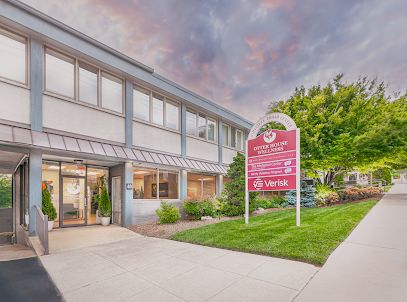
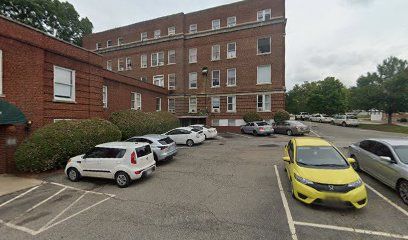
Beyond Addiction DWI/Counseling Agency
Asheville, NC
- Outpatient
Substance use treatment · Accepts clients on opioid medication but prescribed elsewhere · Cognitive behavioral therapy
Accepts: Cash or self-payment
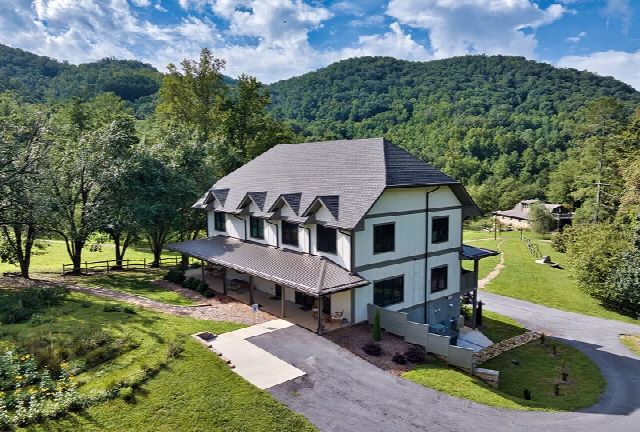
Red Oak Recovery The Willows at Red Oak
Asheville, NC
- PHP
- IOP
- MAT
Substance use treatment · Accepts clients on opioid medication but prescribed elsewhere · Cognitive behavioral therapy
Accepts: Cash or self-payment, State-financed health insurance plan other than Medicaid, Private health insurance