


At a Glance
Location
1440 North Dayton Street, Chicago, IL 60642
Phone
312-227-6800Primary Focus
Treatment Settings
Treatment Approaches
Special Programs
About Ann and Robert H Lurie Childs Hosp of Chicago/Div of Adolescent Med
The Substance Use Prevention Program at Ann and Robert H. Lurie Children's Hospital of Chicago offers outpatient addiction treatment specifically designed for adolescents and young adults in Chicago, IL. Accredited by the Joint Commission, the program uses Cognitive Behavioral Therapy and addresses co-occurring mental health conditions alongside substance use, making it a distinct recovery resource for younger populations and their families.
Nestled in Chicago's Lincoln Park neighborhood at 1440 North Dayton Street, the Substance Use Prevention Program (SUPP) at Ann and Robert H. Lurie Children's Hospital of Chicago is a Joint Commission-accredited outpatient addiction treatment program housed within one of the country's leading pediatric medical institutions. The program's placement inside a children's hospital setting means adolescents and young adults receive substance use care within a system already oriented around youth health — a meaningful distinction from freestanding adult treatment centers.
The program operates at the outpatient level of care, providing structured addiction treatment without requiring an overnight stay. This format supports young people who are building or maintaining recovery while remaining connected to school, family, and community — a critical factor for long-term success in this age group. The outpatient structure also makes ongoing engagement and aftercare planning more accessible for the families involved.
Cognitive Behavioral Therapy (CBT) anchors the clinical approach at SUPP. CBT is a skills-based therapeutic method that helps young people identify and change thought patterns linked to substance use, making it well-suited for adolescents developing coping strategies for sustained recovery. Importantly, the program also treats co-occurring disorders — meaning young people dealing with both substance use and mental health conditions can receive integrated care under one roof rather than navigating separate systems.
The program explicitly serves adolescents, young adults between the ages of 18 and 25, and individuals who are Deaf or hard of hearing — a population rarely acknowledged in standard treatment directories. Families evaluating longer-term recovery support for a young person will find SUPP's specialization in youth populations, its dual diagnosis capability, and its broad payment options — including Medicaid, Medicare, private insurance, TRICARE, state insurance, and self-pay — make it one of Chicago's more accessible outpatient recovery programs for this demographic.
Outpatient Addiction Treatment Built Around Young People
The Substance Use Prevention Program at Lurie Children's Hospital delivers outpatient addiction treatment designed specifically for adolescents and young adults — a population whose recovery needs differ significantly from those of older adults. Operating within a Joint Commission-accredited pediatric health system, the program brings clinical rigor to youth-focused substance abuse treatment in Chicago.
The outpatient program format allows young people to engage in structured recovery support without stepping away from the routines, relationships, and responsibilities that matter most during adolescence and early adulthood. For families, this also means staying closely involved in the recovery process — a recognized factor in long-term outcomes for younger populations.
Treating Co-Occurring Disorders in Adolescents and Young Adults
A defining feature of the SUPP program is its capacity to address co-occurring disorders — situations where a young person is managing both a substance use condition and a mental health condition simultaneously. Many young people entering recovery carry both, and programs that treat only one side of that equation often see higher rates of relapse. SUPP's dual diagnosis approach directly confronts that gap.
Cognitive Behavioral Therapy serves as the clinical backbone for this integrated work. CBT helps young people recognize how their thinking influences their behavior, and builds practical skills for managing both mental health symptoms and recovery challenges over the long term — not just in the weeks immediately following treatment.
Accessibility and Inclusion at Chicago's Youth Recovery Center
SUPP at Lurie Children's stands out in Chicago's addiction treatment landscape for explicitly including Deaf and hard of hearing individuals among the populations it serves. Access to quality substance abuse treatment has historically been limited for this community, and SUPP's acknowledgment of that population reflects a meaningful commitment to inclusive recovery care.
On the financial side, the program accepts a wide range of payment options — Medicaid, Medicare, private insurance, TRICARE, state insurance, and self-pay — making outpatient rehab financially accessible to a broad range of families. For young adults and families navigating both the emotional and logistical challenges of recovery, this breadth of coverage options removes a significant barrier to getting started.
Why Families Choose SUPP for Long-Term Recovery Support
Parents and guardians evaluating recovery programs for a young person are often looking for more than short-term stabilization — they want a program that understands adolescent development, addresses underlying mental health needs, and provides a foundation for lasting change. The SUPP program at Lurie Children's Hospital is structured to meet that need through outpatient care that integrates CBT, dual diagnosis treatment, and youth-specific clinical expertise.
Located at 1440 North Dayton Street in Chicago, the program is available seven days a week, offering consistent access to care. For families in the Chicago area seeking an outpatient substance use treatment program with a strong clinical foundation and a focus on the 25-and-under population, SUPP represents a distinct and well-credentialed option.
Why Choose Ann and Robert H Lurie Childs Hosp of Chicago/Div of Adolescent Med
- One of the few outpatient substance use programs in Chicago embedded within a nationally recognized pediatric hospital system
- Explicitly serves Deaf and hard of hearing young people — a population routinely underserved by standard addiction treatment programs
- Integrated co-occurring disorder treatment means adolescents and young adults receive mental health and substance use care together, not separately
- Cognitive Behavioral Therapy provides a structured, skills-based foundation for lasting recovery — not just short-term symptom management
- Broad payment access including Medicaid, Medicare, TRICARE, state insurance, and self-pay reduces financial barriers for families
Frequently Asked Questions
What type of addiction treatment does the Lurie Children's SUPP program offer?
The Substance Use Prevention Program at Ann and Robert H. Lurie Children's Hospital of Chicago provides outpatient addiction treatment. This level of care allows adolescents and young adults to participate in structured recovery programming while continuing to live at home and remain connected to their daily lives.
Who does the Lurie Children's substance use program serve?
The program specifically serves adolescents, young adults between the ages of 18 and 25, and individuals who are Deaf or hard of hearing. This youth-centered focus sets it apart from most general adult addiction treatment programs in the Chicago area.
Does the program treat co-occurring mental health and substance use conditions?
Yes. The SUPP program treats co-occurring disorders, meaning it provides integrated care for young people dealing with both substance use and mental health conditions at the same time. This dual diagnosis capability is a key clinical feature of the program.
What therapeutic approach does the program use?
Cognitive Behavioral Therapy (CBT) is the confirmed therapeutic method used in the program. CBT is a structured, skills-based approach that helps young people identify thought and behavior patterns related to substance use and develop strategies for sustained recovery.
Is the Lurie Children's SUPP program accredited?
Yes. The program holds accreditation from the Joint Commission (JCAHO), which is one of the most recognized accrediting bodies in healthcare. This accreditation reflects the program's adherence to established clinical and operational standards.
What payment options are accepted at this program?
The program accepts a broad range of payment methods including Medicaid, Medicare, private insurance, TRICARE, state insurance, and self-pay or cash. This range of options is designed to make outpatient addiction treatment accessible to families with varying financial situations.
Does the program serve individuals who are Deaf or hard of hearing?
Yes. Deaf and hard of hearing individuals are explicitly listed among the populations served by SUPP. This inclusion addresses a significant gap in addiction treatment accessibility that many programs do not account for.
Where is the Lurie Children's substance use treatment program located?
The program is located at 1440 North Dayton Street in Chicago, Illinois (ZIP code 60642) in Cook County. It is part of the Ann and Robert H. Lurie Children's Hospital system.
When is the program available?
Based on available scheduling information, the program has availability seven days a week. Families seeking to begin the intake or assessment process are encouraged to reach out directly through the Lurie Children's Hospital website.
How does an outpatient program support long-term recovery for young people?
An outpatient program allows adolescents and young adults to receive structured addiction treatment while remaining at home, in school, or engaged with their support networks. For young people, maintaining those connections is often critical to long-term recovery outcomes, making the outpatient format a well-suited option for this age group.
Nearby Treatment Centers
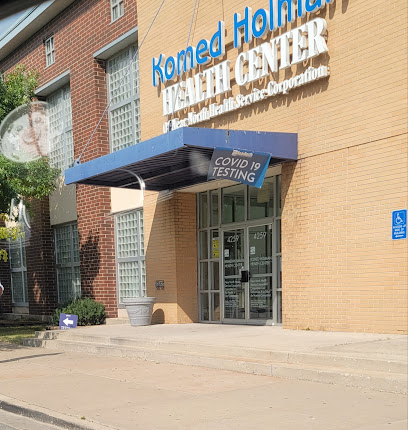
Near North Health Service Corporation Winfield Moody Health Center
Chicago, IL
- IOP
- MAT
Substance use treatment · Cognitive behavioral therapy · Substance abuse counseling
Accepts: Cash or self-payment, Medicaid, Medicare

SunCloud Health SC
Chicago, IL
- PHP
- IOP
- MAT
Substance use treatment · Accepts clients on opioid medication but prescribed elsewhere · Cognitive behavioral therapy
Accepts: Cash or self-payment, Private health insurance, Military insurance
IDS Group Chicago
Chicago, IL
- IOP
Substance use treatment · Does not use medication for opioid addiction · Cognitive behavioral therapy
Accepts: Cash or self-payment, Sliding fee scale, Active duty military
Anixter Center Clayton Residential Home
Chicago, IL
- Outpatient
Substance use treatment · Accepts clients on opioid medication but prescribed elsewhere · Cognitive behavioral therapy
Accepts: Cash or self-payment, Medicaid, State-financed health insurance plan other than Medicaid

Family Guidance Centers Inc
Chicago, IL
- Outpatient
- MAT
Substance use treatment · SAMHSA-certified Opioid Treatment Program · Cognitive behavioral therapy
Accepts: Cash or self-payment, Medicaid, State-financed health insurance plan other than Medicaid

Allens Family Counseling Center Inc
Chicago, IL
- IOP
Substance use treatment · Accepts clients on opioid medication but prescribed elsewhere · Cognitive behavioral therapy
Accepts: Cash or self-payment, Medicaid, State-financed health insurance plan other than Medicaid