

At a Glance
Location
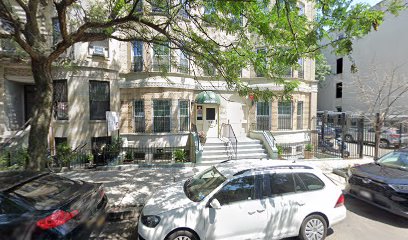
976 Park Place, Brooklyn, NY 11213
Phone
718-771-0760 x101Primary Focus
Treatment Settings
Treatment Approaches
Special Programs
About Anchor House Inc
Anchor House Inc is an OASAS-licensed residential treatment center located at 976 Park Place in Brooklyn, NY, offering both residential treatment and outpatient programming for adults navigating substance use disorder and co-occurring conditions. Known as a 'House of Hope,' the program supports long-term recovery through structured community living, reintegration planning, and connections to ongoing care after discharge.
Anchor House Inc, situated in the Crown Heights neighborhood of Brooklyn, NY, operates as an intensive residential recovery center licensed by OASAS under Part 820 Residential Services. Described on its own website as a 'House of Hope,' the facility provides around-the-clock support for adults 18 and older who are working toward sustained sobriety and stability — not just short-term stabilization. Its location in Kings County positions it as a community-rooted resource for Brooklyn residents seeking a long-term recovery partner close to home.
The center offers two primary levels of care: residential treatment and an outpatient program. The residential track is designed for longer stays, with program length typically running 12 to 18 months — or shorter depending on individual progress — making it one of the more extended commitments available in the New York City recovery landscape. The outpatient program provides a step-down or standalone option for those who do not require full-time residential placement but still need structured addiction treatment and accountability.
Anchor House grounds its clinical work in Cognitive Behavioral Therapy, trauma-informed care, and a biopsychosocial approach — a framework that considers the interlocking effects of biology, psychology, and social environment on recovery. The program specifically addresses trauma and PTSD alongside substance use disorder and co-occurring mental health conditions, recognizing that dual diagnosis treatment is often essential for durable recovery rather than an add-on service. Aftercare planning is built into the model, with reintegration support, community transition planning, and connections to ongoing care provided at discharge.
Anchor House serves a notably broad range of populations, including veterans, young adults ages 18 to 25, seniors and older adults, women, individuals living with HIV/AIDS, court-ordered participants, and adults 18 and older generally. Payment options include Medicaid, Medicare, private insurance, state insurance, and self-pay, removing financial barriers that might otherwise prevent someone from accessing long-term residential or outpatient care. For individuals and families in Brooklyn seeking a recovery community with structured programming, demonstrated specialization in dual diagnosis, and a genuine aftercare framework, Anchor House represents a substantive option.
Long-Term Residential Treatment in Brooklyn, NY
Anchor House Inc takes a long-view approach to addiction treatment that sets it apart from shorter-stay programs common in the New York City area. Its residential treatment track typically runs 12 to 18 months — structured to give residents the time needed to build genuine recovery skills, address underlying conditions, and prepare for sustainable reintegration into the community. Around-the-clock support is available throughout the program, meaning residents are not left to navigate difficult moments alone.
The facility holds an OASAS Part 820 license for residential services, placing it within New York State's regulated framework for residential substance abuse treatment programs. For families evaluating recovery centers in Brooklyn, that licensure signals a program held to defined state standards — not a loosely organized sober living arrangement. Residents also have access to an outpatient program, which can serve as a transitional step within a broader continuum of care.
Dual Diagnosis and Trauma-Informed Recovery
Anchor House explicitly treats co-occurring disorders and dual diagnosis conditions, recognizing that substance use disorder frequently exists alongside trauma, PTSD, and other mental health challenges. The clinical framework draws on Cognitive Behavioral Therapy and a biopsychosocial approach, addressing the psychological and social dimensions of recovery together rather than in isolation. Trauma-informed care is woven into the program rather than reserved for a separate track, which matters for the significant portion of people in recovery whose substance use is connected to unresolved traumatic experience.
This integrated approach is particularly relevant for populations the program specifically serves — including veterans, who carry elevated rates of trauma and PTSD, and individuals living with HIV/AIDS, who often face compounding stressors that intersect with substance use. By building trauma-informed care into the residential treatment model, Anchor House positions itself as a recovery community equipped to meet residents where they actually are rather than where a program template assumes they should be.
Aftercare, Reintegration, and the Path Beyond Residential Treatment
Leaving a residential treatment program is one of the highest-risk transitions in recovery, and Anchor House addresses that directly through a structured aftercare and reintegration framework. The program includes community transition planning, reintegration support, and connections to care upon discharge — services designed to reduce the gap between completing residential treatment and accessing ongoing recovery support in the community.
For families supporting a loved one through recovery, this built-in continuity matters. Rather than residents exiting a 12-to-18-month program with only a referral list, Anchor House works to establish those connections before discharge occurs. This aftercare orientation reflects a treatment philosophy focused on long-term recovery outcomes rather than program completion as an endpoint.
Who Anchor House Serves
Anchor House accepts adults 18 and older and has developed specific programming capacity for populations that benefit from targeted recovery support. These include veterans, young adults between 18 and 25, seniors and older adults, women, individuals living with HIV/AIDS, and court-ordered participants. This range is broader than many residential programs, making Anchor House a viable option for community members who might not find a strong fit at a more generalized recovery center.
The facility accepts Medicaid, Medicare, private insurance, state insurance, and self-pay, covering the major insurance pathways relevant to Brooklyn-area residents seeking residential or outpatient addiction treatment. English is the language of services. Prospective residents and their families can reach the center directly at (718) 771-0760 or through the website at anchorhouseinc.com to discuss placement, insurance coverage, and program fit.
Why Choose Anchor House Inc
- One of the longer residential commitments in NYC, with program lengths typically running 12 to 18 months to support lasting recovery rather than short-term stabilization
- OASAS-licensed Part 820 Residential Services — a state certification specific to residential substance abuse treatment in New York
- Integrated dual diagnosis treatment addressing trauma, PTSD, and co-occurring mental health conditions alongside substance use disorder
- Serves specialized populations often underserved by general rehab programs, including veterans, seniors, women, and individuals living with HIV/AIDS
- Built-in aftercare framework with reintegration support, community transition planning, and connections to care upon discharge — not an afterthought but a program component
Frequently Asked Questions
What levels of care does Anchor House Inc offer for addiction treatment?
Anchor House offers two levels of care: residential treatment and an outpatient program. The residential track is the primary program, designed for longer-term stays that typically run 12 to 18 months. The outpatient program provides a structured option for individuals who do not require full-time residential placement or who are stepping down from residential care.
How long is the residential treatment program at Anchor House?
The residential treatment program at Anchor House typically runs 12 to 18 months, though program length can be shorter based on individual progress. This extended timeline is intentional — it allows residents to build durable recovery skills and complete meaningful reintegration planning before transitioning back to independent living.
Does Anchor House treat co-occurring mental health conditions alongside substance use disorder?
Yes. Anchor House specifically treats co-occurring disorders and dual diagnosis conditions, including trauma and PTSD, alongside substance use disorder. Clinical methods include Cognitive Behavioral Therapy, trauma-informed care, and a biopsychosocial approach that addresses the psychological, biological, and social dimensions of recovery together.
What populations does Anchor House serve?
Anchor House serves a broad range of adults 18 and older, with specific capacity for veterans, young adults ages 18 to 25, seniors and older adults, women, individuals living with HIV/AIDS, and court-ordered participants. This range makes it an option for community members who may not find a good fit at programs serving only a general adult population.
What insurance and payment options does Anchor House accept?
Anchor House accepts Medicaid, Medicare, private insurance, state insurance, and self-pay. This range of payment options covers many of the major coverage pathways available to Brooklyn and New York City residents seeking residential or outpatient substance abuse treatment. Contact the center directly to discuss specific insurance coverage and eligibility.
Is Anchor House licensed or accredited?
Anchor House holds an OASAS license under Part 820 Residential Services, which is New York State's regulatory framework for residential substance abuse treatment programs. This licensure means the facility operates under defined state standards for residential addiction treatment in New York.
Does Anchor House provide aftercare or reintegration support after completing residential treatment?
Yes. Aftercare planning is built into the Anchor House model rather than offered as an optional add-on. The program includes reintegration support, community transition planning, and connections to ongoing care upon discharge — designed to reduce the gap between leaving residential treatment and accessing continued recovery support in the community.
Where is Anchor House located, and what area does it serve?
Anchor House is located at 976 Park Place in Brooklyn, NY 11213, in Kings County. The facility serves the Brooklyn, NY area and operates 24 hours a day with around-the-clock support available to residents throughout the program.
Does Anchor House offer support for veterans in recovery?
Yes. Veterans are among the specific populations Anchor House serves. The program's focus on trauma-informed care and dual diagnosis treatment — including trauma and PTSD — aligns with the recovery needs frequently reported among veteran populations. Veterans seeking long-term residential addiction treatment in Brooklyn can contact the center to discuss program fit.
How can I contact Anchor House to learn more or begin the admissions process?
Anchor House can be reached by phone at (718) 771-0760. The facility operates 24 hours a day, so prospective residents and family members can call at any time to ask about residential treatment, the outpatient program, insurance coverage, or available placement. Additional information is available at anchorhouseinc.com.
Nearby Treatment Centers
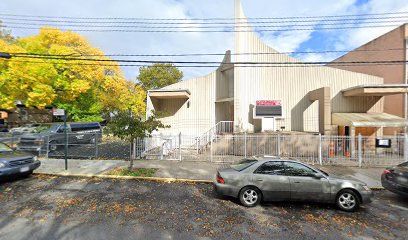
North Crown Heights Family Outreach Center
Brooklyn, NY
- IOP
- MAT
- Sober Living
Substance use treatment · Accepts clients on opioid medication but prescribed elsewhere · Cognitive behavioral therapy
Accepts: Cash or self-payment, Medicaid, Medicare
Interfaith Medical Center OP
Brooklyn, NY
- PHP
- IOP
Substance use treatment · Accepts clients on opioid medication but prescribed elsewhere · Cognitive behavioral therapy
Accepts: Cash or self-payment, Medicaid, State-financed health insurance plan other than Medicaid
Interfaith Medical Center OP-R
Brooklyn, NY
- IOP
- MAT
Substance use treatment · Cognitive behavioral therapy · Substance abuse counseling
Accepts: Cash or self-payment, Medicaid, Medicare
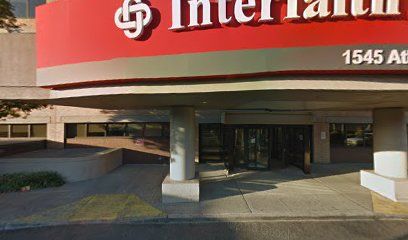
Interfaith Medical Center IP Substance Abuse Rehabilitation
Brooklyn, NY
- Detox
- IOP
- MAT
Substance use treatment · Accepts clients on opioid medication but prescribed elsewhere · SAMHSA-certified Opioid Treatment Program
Accepts: Cash or self-payment, Medicaid, Medicare
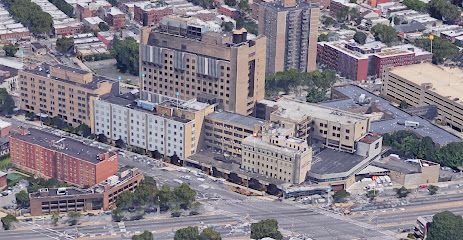
One Brooklyn Health System Interfaith Medical Center
Brooklyn, NY
- Detox
- MAT
Accepts clients on opioid medication but prescribed elsewhere · Cognitive behavioral therapy · Substance abuse counseling
Accepts: Cash or self-payment, Medicaid, Medicare
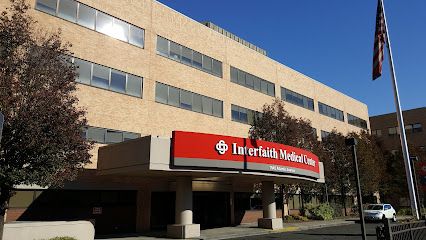
Interfaith Medical Center MMTP
Brooklyn, NY
- Outpatient
- MAT
Substance use treatment · All Clients in Opioid Treatment Program · SAMHSA-certified Opioid Treatment Program
Accepts: Cash or self-payment, Medicaid, Medicare