

 1 / 3
1 / 3At a Glance
Location
2828 Vernon Place, Cincinnati, OH 45219
Phone
513-281-7880Primary Focus
Treatment Settings
Treatment Approaches
Special Programs
About Addiction Services Council
Addiction Services Council is a CARF-accredited, non-profit outpatient clinic in Cincinnati, OH, offering structured substance abuse treatment and recovery support to individuals and families across Hamilton County. The organization brings together peer support, case management, and Cognitive Behavioral Therapy within a community-rooted outpatient program designed to support long-term recovery.
Addiction Services Council is a non-profit, community-based outpatient clinic located at 2828 Vernon Place in Cincinnati, Ohio, serving individuals, families, and the broader Hamilton County community. Accredited by CARF, the organization operates from the conviction that alcoholism, drug addiction, and other addictive disorders are treatable conditions — a philosophy that shapes every aspect of its programming. Unlike larger institutional settings, this center functions as a community partner invested in long-term outcomes for the people it serves.
The center's primary level of care is an Outpatient Program, making it a strong fit for people transitioning out of residential treatment, those managing recovery alongside work or family responsibilities, or individuals seeking structured addiction treatment without an overnight stay. The outpatient format allows clients to build recovery skills within the context of their everyday lives — an approach well-suited to the sustained, long-term work that lasting sobriety requires.
Cognitive Behavioral Therapy (CBT) anchors the clinical work at Addiction Services Council, giving clients practical tools to identify and shift the thought patterns that fuel addictive behavior. The center also treats co-occurring disorders and trauma/PTSD alongside drug addiction and alcoholism, recognizing that underlying mental health conditions frequently intersect with substance use. Aftercare infrastructure includes peer support services, case management, and referral and linkage to community resources — a meaningful continuum that extends support beyond scheduled sessions.
Addiction Services Council serves a notably broad population: adolescents, men, women, individuals who are deaf or hard of hearing, and those referred through the court system. Services are available in both English and Spanish. Walk-in hours and a 24/7 helpline lower the barrier to entry for people who are ready to take a first step. Payment options include Medicaid, self-pay/cash, and a sliding scale fee structure, keeping care accessible to those who may not have private insurance coverage.
Outpatient Recovery Support Rooted in the Cincinnati Community
Addiction Services Council has built its outpatient program around a straightforward premise: alcoholism, drug addiction, and other addictive disorders are treatable, and people deserve access to that treatment regardless of their financial situation or background. Operating from its Cincinnati location on Vernon Place, the center functions less like a clinical facility and more like a community anchor — one that connects clients to the resources, relationships, and skills that make sustained recovery possible.
The outpatient structure means clients engage with treatment while staying connected to their families, jobs, and communities. That real-world integration is especially valuable for people in longer-term recovery who need support systems that flex around their lives, not the other way around. Peer support services, case management, and active referral to community resources extend that support well beyond the walls of the clinic itself.
Who Finds a Home in This Recovery Program
The range of people served by Addiction Services Council reflects its community-based identity. The outpatient program is open to adolescents, men, and women, and the center specifically accommodates individuals who are deaf or hard of hearing — a population frequently underserved by mainstream addiction treatment programs. Services are available in both English and Spanish, and the center also works with court-ordered clients navigating recovery within a legal framework.
Co-occurring disorders and trauma/PTSD are treated alongside substance use, which matters enormously for clients whose addiction is entangled with mental health history. Rather than treating these as separate issues requiring separate systems, Addiction Services Council addresses them together — giving clients in the recovery community a more complete foundation to build from.
Aftercare and Ongoing Recovery: What Comes After Sessions End
One of the more concrete differentiators at Addiction Services Council is the emphasis on what happens between and after scheduled treatment. Peer support services connect clients with people who have lived experience in recovery — a form of accountability and encouragement that clinical sessions alone rarely replicate. Case management ensures clients aren't navigating housing, employment, or other practical recovery challenges without guidance.
Referral and linkage to community resources rounds out the aftercare picture, positioning the center as a gateway to the broader Cincinnati recovery ecosystem rather than a closed system. For people in ongoing recovery who need a treatment partner that stays invested past the initial phase, this kind of structured aftercare infrastructure is worth weighing carefully when comparing outpatient programs.
Making Treatment Accessible: Payment Options and Getting Started
Addiction Services Council accepts Medicaid, self-pay and cash arrangements, and operates on a sliding scale fee structure — meaning cost is calibrated to what a client can realistically afford. This matters in a field where financial barriers frequently delay or derail treatment for people who are otherwise ready to engage with recovery. No specific private insurance carriers are listed, so prospective clients should contact the center directly to discuss their coverage situation.
Getting started is designed to be straightforward. Walk-in hours are available, and a 24/7 helpline means someone can be reached at any point — not just during business hours. For anyone weighing outpatient treatment options in Cincinnati, reaching the center directly at (513) 281-7880 or at [email protected] is the fastest way to get specific questions answered and to understand what the intake process looks like.
Why Choose Addiction Services Council
- CARF-accredited non-profit with a community-first mission — not a for-profit treatment chain
- Aftercare built in: peer support services, case management, and community resource linkage are standard offerings, not add-ons
- Treats co-occurring disorders and trauma/PTSD alongside addiction, addressing the full picture of a client's recovery needs
- Walk-in hours and a 24/7 helpline make access to the outpatient program immediate rather than appointment-only
- Sliding scale fees and Medicaid acceptance make long-term outpatient treatment financially reachable for a wide range of clients
Frequently Asked Questions
What level of care does Addiction Services Council offer for people in ongoing recovery?
Addiction Services Council provides an Outpatient Program, which is well-suited for individuals managing recovery alongside daily responsibilities or transitioning from a higher level of care. The outpatient format supports long-term recovery by building skills and connections within the context of a client's real life. It is not a residential or inpatient program.
Does Addiction Services Council treat co-occurring mental health conditions alongside addiction?
Yes. The center treats co-occurring disorders and dual diagnosis, as well as trauma and PTSD, alongside drug addiction and alcoholism. Addressing these conditions together is central to the program's approach rather than something clients need to seek out separately.
What therapy methods are used in the outpatient program?
Cognitive Behavioral Therapy (CBT) is the confirmed therapeutic method used at Addiction Services Council. CBT helps clients recognize and change thought patterns connected to addictive behavior, which is particularly useful for building sustainable coping skills over the course of long-term recovery.
What aftercare and recovery community support does the center provide?
Addiction Services Council offers peer support services, case management, and referral and linkage to community resources as part of its aftercare infrastructure. These services are designed to keep clients connected to support systems beyond their scheduled outpatient sessions, which is critical for sustaining recovery over time.
Who is eligible to enroll in Addiction Services Council's outpatient program?
The program serves adolescents, men, women, individuals who are deaf or hard of hearing, and people who are court-ordered into treatment. Services are available in both English and Spanish, reflecting the center's commitment to reaching a broad segment of the Cincinnati community.
What payment options are available for addiction treatment at this center?
Addiction Services Council accepts Medicaid, self-pay and cash, and offers a sliding scale fee structure based on ability to pay. Prospective clients should contact the center directly at (513) 281-7880 to discuss their specific financial situation and coverage.
Is Addiction Services Council accredited?
Yes. The center holds CARF accreditation, which is a nationally recognized standard for quality in addiction treatment and rehabilitation services. This accreditation signals that the program has met rigorous operational and clinical benchmarks.
Can someone walk in without a scheduled appointment?
Walk-in hours are available at Addiction Services Council, which lowers the barrier for people who are ready to begin the recovery process without waiting for a formal intake appointment. A 24/7 helpline is also available for anyone who needs to reach the center outside of regular operating hours.
What are the center's regular operating hours?
Addiction Services Council is open Monday through Friday from 8am to 5pm. The center is closed on Saturdays and Sundays. A 24/7 helpline is available for support outside of those hours.
Is Addiction Services Council a for-profit or non-profit organization?
Addiction Services Council is a non-profit, community-based organization. Its mission centers on helping clients, families, and the broader Cincinnati community thrive — a perspective that shapes how it structures access, pricing, and aftercare for people in recovery.
Nearby Treatment Centers
Central Clinic Behavioral Health
Cincinnati, OH
- Outpatient
Substance use treatment · Does not treat opioid addiction · Cognitive behavioral therapy
Accepts: Cash or self-payment, Medicaid, Private health insurance
Talbert House ADAPT for Men
Cincinnati, OH
- Residential
- MAT
Substance use treatment · Accepts clients on opioid medication but prescribed elsewhere · Cognitive behavioral therapy
Accepts: Cash or self-payment, Medicaid, Medicare
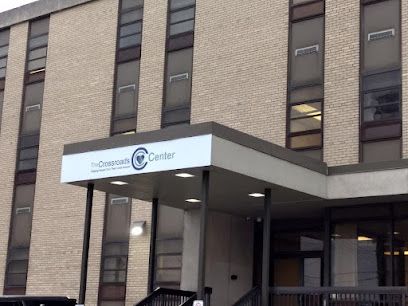
Crossroads Center
Cincinnati, OH
- Residential
- IOP
- MAT
Substance use treatment · Cognitive behavioral therapy · Substance abuse counseling
Accepts: Cash or self-payment, Medicaid, State-financed health insurance plan other than Medicaid

University of Cincinnati Physicians Company LLC (UCPC LLC)
Cincinnati, OH
- Outpatient
- MAT
Substance use treatment · All Clients in Opioid Treatment Program · SAMHSA-certified Opioid Treatment Program
Accepts: Cash or self-payment, Medicaid, Medicare

BrightView
Cincinnati, OH
- Detox
- IOP
- MAT
Substance use treatment · SAMHSA-certified Opioid Treatment Program · Cognitive behavioral therapy
Accepts: Cash or self-payment, Medicaid, Medicare

Cincinnati VA Medical Center Substance Dependence Program
Cincinnati, OH
- Detox
- Residential
- IOP
- MAT
Substance use treatment · SAMHSA-certified Opioid Treatment Program · Cognitive behavioral therapy
Accepts: Cash or self-payment, Medicaid, Medicare