

 1 / 3
1 / 3At a Glance
Location
200 Butler Drive, Providence, RI 2906
Phone
401-383-5150Primary Focus
Treatment Settings
Treatment Approaches
Special Programs
About Acute Stabilization Unit Acute Stabilization Unit
The Acute Stabilization Unit in Providence, Rhode Island offers residential treatment for adults navigating co-occurring disorders and trauma alongside substance use. Accredited by CARF and connected to the Providence Center network, this recovery center accepts Medicaid, Medicare, private insurance, and self-pay, keeping structured residential care accessible around the clock.
The Acute Stabilization Unit, located at 360 Duncan Dr in Providence, Rhode Island, is a residential substance use treatment facility operating under the broader Providence Center network. It provides 24/7 residential care in Providence County, making it a consistent resource for individuals and families seeking a structured environment as a foundation for longer-term recovery. The facility's CARF accreditation signals an independently verified commitment to quality care standards that discerning individuals and families can rely on when choosing a recovery center.
The center's primary level of care is residential treatment, a setting that places individuals in a live-in therapeutic environment away from the daily triggers that can undermine early recovery. Residential treatment at this level allows for continuous clinical support and structured programming that outpatient settings simply cannot replicate. For those whose recovery needs require more than weekly check-ins or partial-day attendance, this residential model provides the depth of immersion that genuine stabilization often demands.
Cognitive Behavioral Therapy (CBT) is the confirmed therapeutic method used within the program. CBT is a well-established, structured approach that helps residents identify and reshape the thought patterns and behaviors that drive substance use. The program also directly addresses trauma and PTSD alongside substance use, recognizing that co-occurring disorders and dual diagnosis presentations require integrated treatment rather than siloed care — a distinction that matters significantly for people whose mental health and addiction are intertwined.
The Acute Stabilization Unit serves individuals dealing with co-occurring disorders, dual diagnosis, and trauma or PTSD, populations that are often underserved by programs focused on substance use alone. Payment options include Medicaid, Medicare, private insurance, state insurance, and self-pay, which broadens access across a range of financial circumstances. For individuals and families in Rhode Island who need a CARF-accredited residential treatment program equipped to address the full complexity of co-occurring conditions, this facility offers a clinically grounded starting point for the recovery journey.
Residential Treatment for Co-Occurring Disorders in Providence, RI
The Acute Stabilization Unit offers residential treatment designed for individuals whose substance use is complicated by co-occurring mental health conditions, including trauma and PTSD. This dual diagnosis focus sets it apart from programs that address addiction without accounting for the underlying or intertwined psychological factors that frequently drive it. For many people, treating substance use in isolation produces limited results; integrated care that addresses both conditions simultaneously is what makes residential treatment at this level meaningful.
Located in Providence County and operating around the clock, the residential program provides the continuous clinical environment that stabilization often requires. Families supporting a loved one through recovery can take some reassurance from the fact that care is available every day of the week, not just during business hours. This consistency is a core feature of residential treatment that distinguishes it from outpatient or step-down programs.
CBT-Based Recovery Programming for Long-Term Stability
Cognitive Behavioral Therapy is the therapeutic backbone of the Acute Stabilization Unit's residential program. CBT works by helping individuals recognize the connections between their thoughts, emotions, and behaviors — and systematically practice new responses to the cues that have historically led to substance use. In a residential setting, this type of structured therapeutic work can happen with greater frequency and depth than in outpatient programming, making it particularly suited to individuals who need intensive support during early recovery.
For those planning their recovery beyond the initial residential stay, CBT skills are portable — they transfer into aftercare, sober living environments, and community-based recovery settings. The treatment foundation built at the Acute Stabilization Unit is designed to support stability that outlasts the program itself, which is a critical consideration for anyone choosing a residential treatment center with long-term recovery in mind.
Insurance and Payment Options at Acute Stabilization Unit
Cost is one of the most common barriers to entering residential treatment, and the Acute Stabilization Unit works to reduce that obstacle through a wide range of accepted payment methods. The facility accepts Medicaid, Medicare, state insurance, private insurance, and self-pay or cash arrangements, covering a broad spectrum of financial situations across Rhode Island's recovery-seeking population.
For families coordinating care for a loved one, confirming coverage before admission is an important step. The facility can be reached directly at (401) 383-5150 or by email at [email protected] to discuss payment options and eligibility. CARF accreditation also means that many insurance providers recognize this facility when evaluating residential treatment benefits.
Why CARF Accreditation Matters When Choosing a Recovery Center
CARF — the Commission on Accreditation of Rehabilitation Facilities — is one of the most respected independent accrediting bodies in the addiction treatment and behavioral health field. Earning and maintaining CARF accreditation requires a facility to meet rigorous standards around the quality, safety, and consistency of its programs. For individuals and families comparing residential treatment options in Providence, RI, CARF accreditation provides an objective, third-party confirmation that the Acute Stabilization Unit meets established benchmarks for care.
In a landscape where treatment quality can vary widely, accreditation is a meaningful filter. It does not guarantee a specific outcome, but it does confirm that the program has been externally evaluated and found to meet defined standards — a baseline that matters when entrusting a recovery center with something as consequential as long-term sobriety.
Why Choose Acute Stabilization Unit Acute Stabilization Unit
- CARF-accredited residential treatment program in Providence, RI — independently verified quality standards
- Integrated dual diagnosis and trauma/PTSD treatment within the same residential program
- Cognitive Behavioral Therapy (CBT) as a structured, goal-oriented therapeutic foundation for recovery
- 24/7 residential availability, seven days a week, for continuous stabilization support
- Broad payment access: Medicaid, Medicare, state insurance, private insurance, and self-pay all accepted
Frequently Asked Questions
What level of care does the Acute Stabilization Unit provide?
The Acute Stabilization Unit provides residential treatment, a live-in level of care that offers continuous clinical support seven days a week. This is distinct from outpatient or partial hospitalization settings and is suited to individuals who need an immersive, structured environment to achieve stabilization in early recovery.
Does the Acute Stabilization Unit treat co-occurring mental health conditions?
Yes. The facility is confirmed to treat co-occurring disorders and dual diagnosis presentations, as well as trauma and PTSD alongside substance use. This integrated approach means individuals do not have to choose between addressing their mental health and their addiction — both are treated within the same residential program.
What therapy approach is used in the residential program?
Cognitive Behavioral Therapy (CBT) is the confirmed therapeutic method used at the Acute Stabilization Unit. CBT is a structured, skills-based approach that helps individuals identify and change the thought patterns and behaviors that contribute to substance use, and the skills developed carry forward into life after residential treatment.
What insurance does the Acute Stabilization Unit accept?
The facility accepts Medicaid, Medicare, private insurance, state insurance, and self-pay or cash. This range of payment options helps make residential treatment accessible to a wider group of individuals across Rhode Island. For specific coverage questions, contact the facility directly at (401) 383-5150.
Is the Acute Stabilization Unit accredited?
Yes. The Acute Stabilization Unit holds CARF accreditation — one of the most recognized independent accreditations in addiction treatment and behavioral health. CARF certification signals that the facility has been externally evaluated and meets established standards for program quality and consistency.
Where is the Acute Stabilization Unit located?
The facility is located at 360 Duncan Dr, Providence, RI 02906, in Providence County. It operates 24 hours a day, seven days a week, and is associated with the Providence Center network. You can reach the facility by phone at (401) 383-5150.
Is residential treatment at this facility available every day of the week?
Yes. The Acute Stabilization Unit operates 24 hours a day, seven days a week, including weekends. This continuous availability is a fundamental feature of residential treatment, ensuring that clinical support is not limited to standard business hours.
Who is the Acute Stabilization Unit best suited for in terms of recovery needs?
The program is designed for individuals dealing with substance use disorders who also have co-occurring mental health conditions, dual diagnosis presentations, or trauma and PTSD. Residential treatment at this level is particularly appropriate for those who need more intensive support than outpatient programs provide and who would benefit from a structured, around-the-clock therapeutic environment.
How do I get in touch with the Acute Stabilization Unit to learn more or begin the admissions process?
You can contact the Acute Stabilization Unit by calling (401) 383-5150 or by emailing [email protected]. The facility's website is available at providencecenter.org for additional information. Staff can help you understand program fit, payment options, and next steps toward residential treatment.
Nearby Treatment Centers
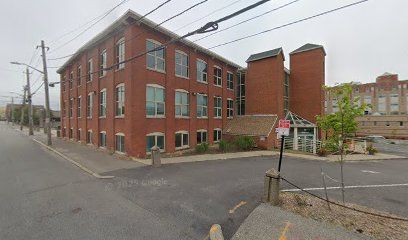
Butler Hospital Care New England Behavioral Health
Providence, RI
- IOP
- MAT
Substance use treatment · Cognitive behavioral therapy · Dialectical behavior therapy
Accepts: Cash or self-payment, Medicare, State-financed health insurance plan other than Medicaid
Butler Hospital Alcohol and Drug Treatment Services
Providence, RI
- Detox
- PHP
- IOP
- MAT
Substance use treatment · SAMHSA-certified Opioid Treatment Program · Cognitive behavioral therapy
Accepts: Cash or self-payment, Medicaid, Medicare
Phoenix House of NE Outpatient Ctr Providence Phoenix House Outpt Ctr
Providence, RI
- IOP
- MAT
Substance use treatment · Accepts clients on opioid medication but prescribed elsewhere · Cognitive behavioral therapy
Accepts: Cash or self-payment, Medicaid, State-financed health insurance plan other than Medicaid
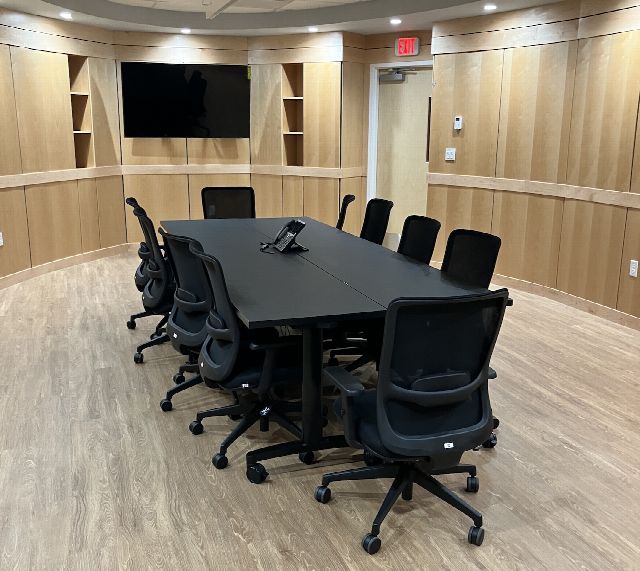
CODAC Pawtucket Avenue
Pawtucket, RI
- Detox
- Outpatient
- MAT
Substance use treatment · All Clients in Opioid Treatment Program · SAMHSA-certified Opioid Treatment Program
Accepts: Cash or self-payment, Medicaid, State-financed health insurance plan other than Medicaid
Providence Center Intensive Outpatient/Substance Abuse
Providence, RI
- IOP
- MAT
Substance use treatment · Accepts clients on opioid medication but prescribed elsewhere · Cognitive behavioral therapy
Accepts: Cash or self-payment, Medicaid, Medicare
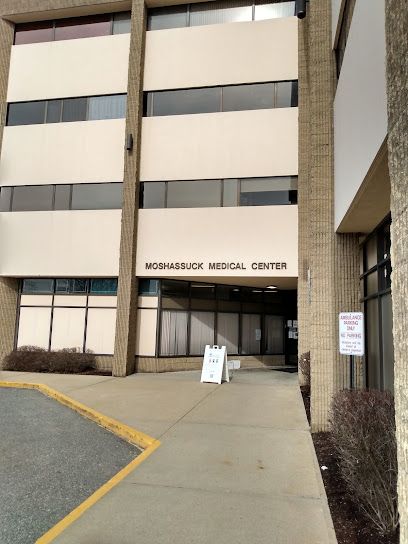
Providence Center Adult Behavioral Services
Providence, RI
- IOP
- MAT
Substance use treatment · Accepts clients on opioid medication but prescribed elsewhere · Cognitive behavioral therapy
Accepts: Cash or self-payment, Medicaid, Medicare